Clydestone Ghana PLC has stunned shareholders after suspending dividend payments for the 2025 financial year following a dramatic 88 percent collapse in profit.
The listed fintech and payment infrastructure company reported profit after tax of just GH¢463,962 for the year ending December 31, 2025, a steep fall from the GH¢3.95 million recorded in 2024. The sharp earnings decline has raised fresh concerns among investors over the short term financial impact of the company’s aggressive digital expansion strategy.
For shareholders who received a dividend of GH¢0.032 per share last year, the latest announcement means there will be no payout for 2025 as management prioritises liquidity and long term investment plans.
The company’s audited financial statements, released on May 13, revealed mounting operational costs, rising finance obligations and heavy capital expenditure tied to its ambitious digital transformation agenda.
Board Defends Dividend Suspension
In a statement accompanying the accounts, the board defended the controversial decision to halt dividend payments, insisting the move was necessary to support the company’s new three year strategic plan.
According to management, the strategy focuses on banking branch transformation, UnionPay card issuing and processing services, digital payment channels and application programming interface based transaction infrastructure targeted at fintech companies, remittance operators and mobile money providers.
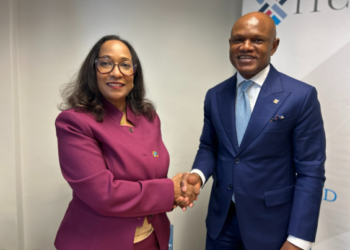
Acting Chairman and Chief Executive Officer Paul Jacquaye assured shareholders that the board remains committed to reviewing the dividend policy and expects distributions to resume once profitability improves.
The company is effectively asking investors to endure short term pain in exchange for the promise of stronger recurring revenues from digital payment systems and transaction processing services in the coming years.
Rising Costs Crush Profitability
While revenue remained relatively stable, rising operational expenses dealt a severe blow to profitability.
Total revenue dipped marginally by 1.2 percent to GH¢23.64 million. However, management argued that the performance understated the company’s actual operational growth due to the appreciation of the Ghana cedi against the US dollar during the year.
One of the biggest pressures came from executive compensation. Directors’ remuneration more than doubled to GH¢2.15 million from GH¢842,670 in 2024. The company described the increase as a necessary adjustment to align executive pay with market rates and the growing complexity of operating under Ghana’s Electronic Payment Service Provider licensing regime.
Depreciation expenses also surged following investments in computers, motor vehicles and office equipment. In addition, finance charges increased significantly as the company relied more heavily on overdraft facilities to support operations and expansion projects.
The combined effect of these expenses pushed earnings sharply lower despite resilient revenue performance.
Smart Source Emerges as Bright Spot
Despite the gloomy earnings picture, there were signs of momentum in some business segments.
The company’s Smart Source division recorded one of the strongest performances during the year, with revenue surging to GH¢1.1 million from just GH¢65,352 in 2024. Management attributed the remarkable growth to increasing demand for the company’s digital service offerings.
Clydestone also expressed confidence in its strategic positioning within the regional payments ecosystem. The company highlighted its status as a UnionPay International Principal Acquirer and Third Party Processor, a distinction held by only a handful of institutions across West Africa.
Management disclosed that mandates from partner institutions are expected to be formalised in 2026, paving the way for new recurring income streams from card processing services.
The company is also developing a third party payments API platform and inward remittance payout system aimed at fintech firms and diaspora remittance providers seeking direct access to its switching infrastructure.
Liquidity Concerns Deepen
Even as the company pushes ahead with expansion plans, its balance sheet reveals increasing pressure on liquidity.
Cash reserves fell sharply from GH¢8.74 million at the end of 2024 to GH¢1.08 million by December 2025. After accounting for overdraft obligations, net cash stood at only GH¢119,512.
Management attributed the decline largely to the settlement of legacy regulatory and levy related obligations accumulated over previous years. The company also fully settled trade payables during the period, while other accounts payable declined significantly.
Although these settlements may strengthen the company’s compliance position, the steep drop in cash reserves is likely to fuel investor anxiety about near term financial stability.
Investors Watching Closely
External auditors PKF issued an unqualified opinion on the financial statements, confirming that the accounts presented a true and fair view of the company’s financial position as of December 31, 2025.
Still, investors remain divided over whether the earnings slump represents a temporary investment phase or signals deeper financial strain.
For now, Clydestone’s future rests heavily on the success of its digital payments expansion strategy and its ability to convert heavy investment into sustainable recurring income.
As Ghana’s fintech sector becomes increasingly competitive, the pressure is mounting on the company to prove that today’s sacrifices will eventually deliver tomorrow’s rewards.
READ ALSO: GSA Cracks Down On Retail Fraud in Techiman Market