

The Office of the Rent Commissioner and the Rent Control Department have directed all private student hostel operators across the country to suspend any planned increase in accommodation fees for the 2026 to 2027 academic year.
The directive, announced in a press statement dated 19 May 2026, follows growing public concern over continuous hikes in hostel charges within and around tertiary institutions.
According to the statement, the rising cost of accommodation has become a major burden for students, parents, and guardians, prompting authorities to intervene.
The Office of the Rent Commissioner stated that the increasing fees could negatively affect access to accommodation and compromise the welfare of students pursuing higher education if the situation is not properly managed.
In response, the Rent Control Department has instructed all private hostel owners, managers, operators and stakeholders within the student accommodation sector to place a temporary hold on any proposed increment in hostel fees until further notice.
The statement stressed that the directive applies to all intended adjustments for the 2026 to 2027 academic year and forms part of efforts to address affordability concerns within the education sector.
Stakeholder Engagement Planned
Alongside the temporary freeze on fee increases, the Office of the Rent Commissioner has invited stakeholders in the student accommodation sector to participate in a broad engagement process aimed at finding long term solutions to the issue.

The proposed meeting will bring together private hostel facility owners, managers, student representative bodies, tertiary institution authorities and other relevant actors to deliberate on hostel pricing and accommodation standards.
Authorities explained that the engagement is intended to encourage collaboration between regulators and private operators while ensuring that decisions affecting students are balanced and sustainable.
According to the statement, the meeting will create an opportunity for stakeholders to discuss concerns surrounding hostel fee increments and assess how current pricing trends are affecting students and families.
The discussions are also expected to review compliance with existing rent regulations and consumer protection provisions governing the rental sector.
In addition, the engagement will focus on identifying practical ways of promoting affordability, fairness and transparency within the student hostel accommodation market.
Growing Pressure on Students and Families
The intervention by the Rent Control Department comes amid broader economic concerns in the country, where rising living costs continue to affect households and educational expenses.
Private hostel accommodation has become a critical issue for many tertiary students, especially in major academic centres where demand for housing around universities and colleges continues to increase.
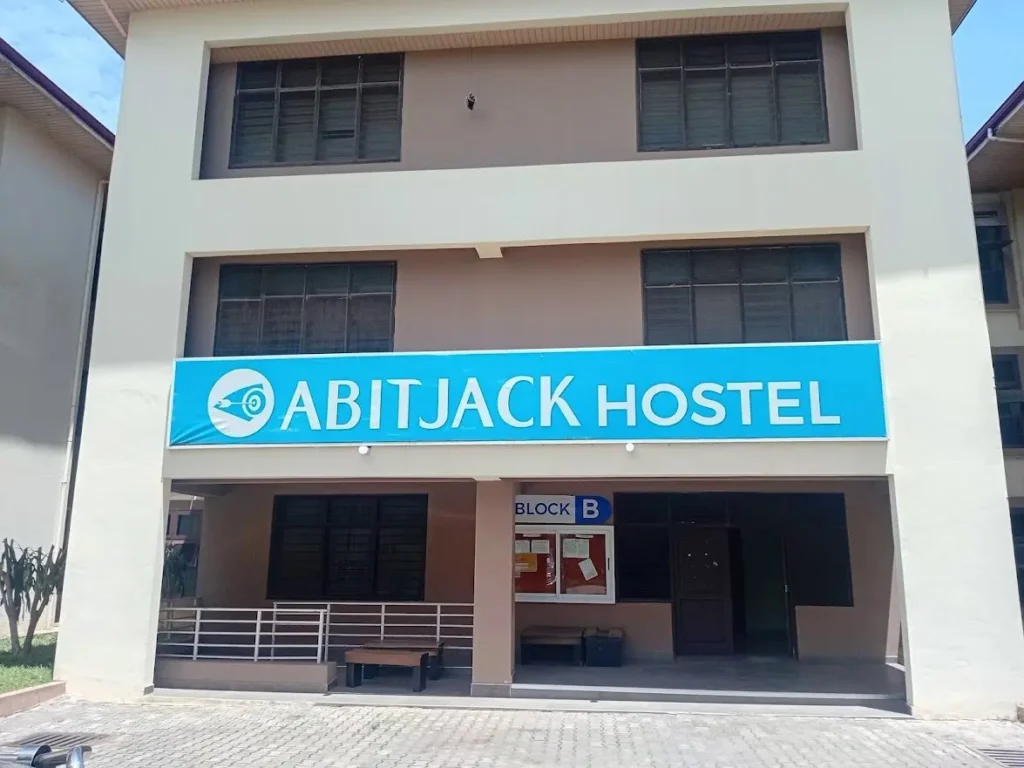
In recent years, students and parents have frequently raised concerns over sharp increases in hostel fees, arguing that accommodation costs are becoming increasingly difficult to manage alongside tuition, transportation and other educational expenses.
The Office of the Rent Commissioner acknowledged these concerns in its statement, describing the trend as an urgent public matter requiring immediate attention.
Authorities warned that uncontrolled fee increases could worsen inequalities in access to education, particularly for students from low income households who already face financial challenges in pursuing higher learning.
The statement suggested that regulating hostel pricing is necessary not only to protect students but also to maintain stability within the education system.
Balancing Regulation and Private Investment
The latest directive is likely to generate debate within the accommodation sector, particularly among private hostel investors and operators who argue that operational costs have also increased significantly.
Many private hostel facilities depend on revenue adjustments to manage maintenance, utilities, staff costs and financing obligations. However, regulators appear determined to ensure that any future increases are introduced through a fair and consultative process.
The Rent Control Department emphasized that the planned stakeholder engagement would allow all sides to present their concerns and contribute to a more balanced framework for hostel pricing.

The statement also highlighted the need for accountability and transparency within the sector, suggesting that stronger cooperation between regulators and private operators could help address recurring tensions over accommodation costs.
Authorities further encouraged all stakeholders to fully cooperate with the directive and actively participate in the upcoming engagement process.
Focus on Student Welfare and National Development
The Office of the Rent Commissioner maintained that the decision to halt hostel fee increases is intended to protect the welfare of students while broader consultations take place.
Officials noted that access to affordable accommodation remains an important part of educational development and student well being, particularly for students relocating from different regions to pursue tertiary education.
The statement added that the involvement of educational institutions, student groups, and hostel operators would help ensure that future decisions are both lawful and sustainable.
By temporarily suspending proposed fee increases and initiating consultations, regulators hope to create a more stable and transparent accommodation environment that balances the interests of students and private investors.
The directive also reflects growing concern about the wider impact of rising living costs on education and household finances across the country.
As discussions begin between regulators and stakeholders, many students and families are expected to closely monitor the outcome, especially ahead of the next academic year when accommodation costs often become a major financial challenge.
READ ALSO: Ghana’s Q1 Mineral Royalties Hit ₵2 billion