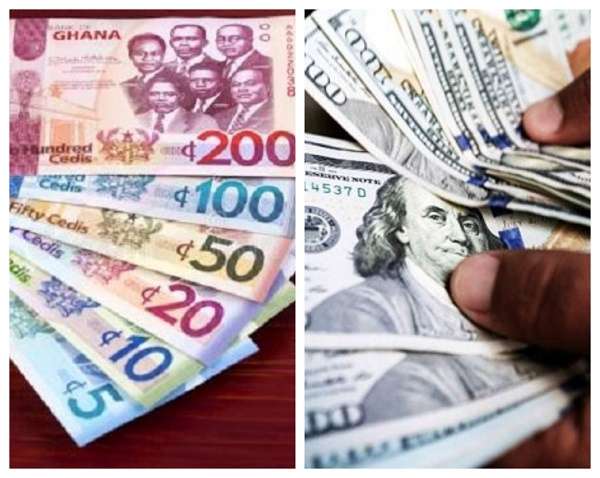
The Ghana cedi has recorded its sharpest depreciation against the US dollar in 2026 so far, raising fresh concerns among businesses, importers and financial analysts over the direction of the country’s foreign exchange market.
According to the May 2026 Economic and Financial Summary released by the Bank of Ghana, the cedi weakened by 8.4 percent against the US dollar during the first five months of the year. The decline is significantly higher than the 6.6 percent depreciation recorded during the same period in 2025.
The latest figures show that the cedi moved from an average mid-rate of GH¢10.95 to the dollar in January to GH¢11.4125 by mid-May 2026. The trend signals a steady weakening of the local currency despite improvements in inflation, reserves and export earnings.
Currency watchers say the development is surprising because many of Ghana’s major economic indicators have shown signs of recovery over the past year.
Early-Year Shock Followed by Persistent Weakness
The cedi came under severe pressure at the start of 2026, recording a year-to-date depreciation of 4.6 percent in January alone. Although the local currency managed to stage a brief recovery in February, the respite was short-lived.
From March onward, the cedi resumed its downward trajectory, weakening gradually through April and into May. Analysts note that unlike the extreme volatility experienced in 2025, this year’s decline has been more controlled but persistent.
The steady nature of the depreciation has heightened anxiety among traders and businesses who depend heavily on imports. Many importers fear that continued weakness in the currency could push up the cost of goods and eventually feed into higher consumer prices.
Financial market observers believe the current situation reflects deeper market sentiment challenges rather than just domestic economic weaknesses.
Strong Economic Indicators Fail to Support Cedi
One of the most striking aspects of the cedi’s decline is that it is happening at a time when Ghana’s macroeconomic indicators appear relatively strong.
Data from the central bank shows that Ghana recorded a trade surplus of $5.28 billion as of April 2026. The surplus was driven largely by strong export earnings from gold and crude oil, which traditionally help support the local currency by boosting foreign exchange inflows.
In addition, Gross International Reserves stood at $14.42 billion in May 2026, representing approximately six months of import cover. This level of reserves is considered relatively healthy and would normally provide a cushion for the currency market.
Inflation has also seen a dramatic improvement. Ghana’s inflation rate eased sharply to 3.4 percent in April 2026, compared to 18.4 percent during the same period last year. The decline in inflation had initially raised expectations that the cedi would stabilise or even strengthen in the first half of the year.
However, the latest currency performance suggests that broader market forces may now be driving exchange rate dynamics.
Investor Sentiment Under Spotlight
Economists say factors such as capital outflows, portfolio adjustments and changing investor sentiment may be contributing heavily to the cedi’s weakness.
Foreign investors who hold local assets often react quickly to global market developments, interest rate expectations and geopolitical uncertainties. When investors move funds out of emerging markets in search of safer or higher-yielding investments, currencies such as the cedi often come under pressure.
Some analysts also believe demand for dollars from importers and multinational companies may be outweighing the supply generated from exports and remittances.
The sustained demand for foreign currency in the domestic market has increased pressure on the cedi despite the country’s improving external balances.
There are also concerns that speculative activity within the forex market may be amplifying the depreciation trend.
Businesses Brace for Tougher Months Ahead
The cedi’s decline is expected to have major implications for businesses across various sectors of the economy.
Import-dependent companies may face rising operational costs as the price of raw materials, machinery and finished goods increases. Some businesses are already warning that they may be forced to pass additional costs onto consumers if the exchange rate situation worsens.
The development could also affect business planning and investment decisions, particularly for companies with significant foreign currency obligations.
Although inflation has declined sharply in recent months, economists caution that prolonged currency depreciation could reverse some of those gains by increasing import costs and fueling inflation expectations.
For ordinary Ghanaians, the weakening cedi could eventually translate into higher prices for imported food items, fuel, electronics and transportation.
Pressure Mounts on Policymakers
The latest depreciation figures are likely to intensify pressure on policymakers and the central bank to stabilise the foreign exchange market in the coming months.
Market analysts say investors and businesses will be closely monitoring future policy interventions, reserve management strategies and broader economic reforms aimed at restoring confidence in the cedi.
While Ghana’s economic recovery remains visible in several areas, the persistent weakness of the local currency has become a growing source of concern.
With global financial conditions remaining uncertain and demand for dollars continuing to rise, many observers believe the battle to stabilise the cedi may be far from over.