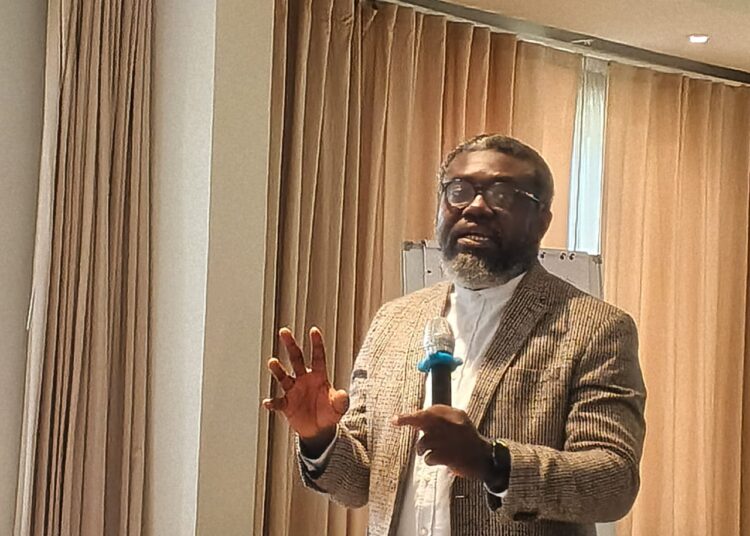
Legal practitioner and activist Osagyefo Oliver Barker-Vormawor has called for a constitutional approach to address the growing political tensions surrounding Ghana’s Human Sexual Rights and Family Values Bill, commonly referred to as the anti LGBTQ+ bill.
In a public statement, Barker-Vormawor argued that the 1992 Constitution provides a mechanism to ensure broad parliamentary consensus on contentious legislation. According to him, the President should refer the bill to the Council of State before returning it to Parliament for reconsideration.
He explained that, given the intense national debate and political disagreements surrounding the bill, such a process would provide an opportunity for lawmakers across the political divide to take responsibility for the legislation collectively.
“Considering all the concerns around the Jail the Gays bill, the best way forward is for the president to refer it to the Council of State, and then after send it back to Parliament”.
Osagyefo Oliver Barker-Vormawor, Legal Practitioner and Activist
Call for a Two-Thirds Parliamentary Majority
According to Barker-Vormawor, referring the legislation through the constitutional process would require Parliament to pass the bill by a two-thirds majority. “This allows Parliament to pass it by a 2/3rds majority. This way, we can stop all the politicisation around this bill,” he said.

He further argued that such an outcome would strengthen the legitimacy of the legislative process by ensuring that members from different political traditions support the final decision.
“Parliament would have acted together across all parties. No single party can take credit for it. None can be criticised for it. They will both be in it together”.
Osagyefo Oliver Barker-Vormawor, Legal Practitioner and Activist
Barker-Vormawor maintained that the deeply divisive nature of the bill demands an approach that rises above partisan calculations. “If there was a law that needs bipartisanship to pass, this one needs it,” he added. He concluded his statement with the word, “Shalom.”
A Bill at the Centre of National Debate
The Human Sexual Rights and Family Values Bill has become one of the most controversial pieces of legislation in Ghana’s recent history.
Parliament formally passed the bill on May 29, 2026, marking the second time lawmakers have approved the proposed restrictions after an earlier version expired at the end of the previous parliamentary term.
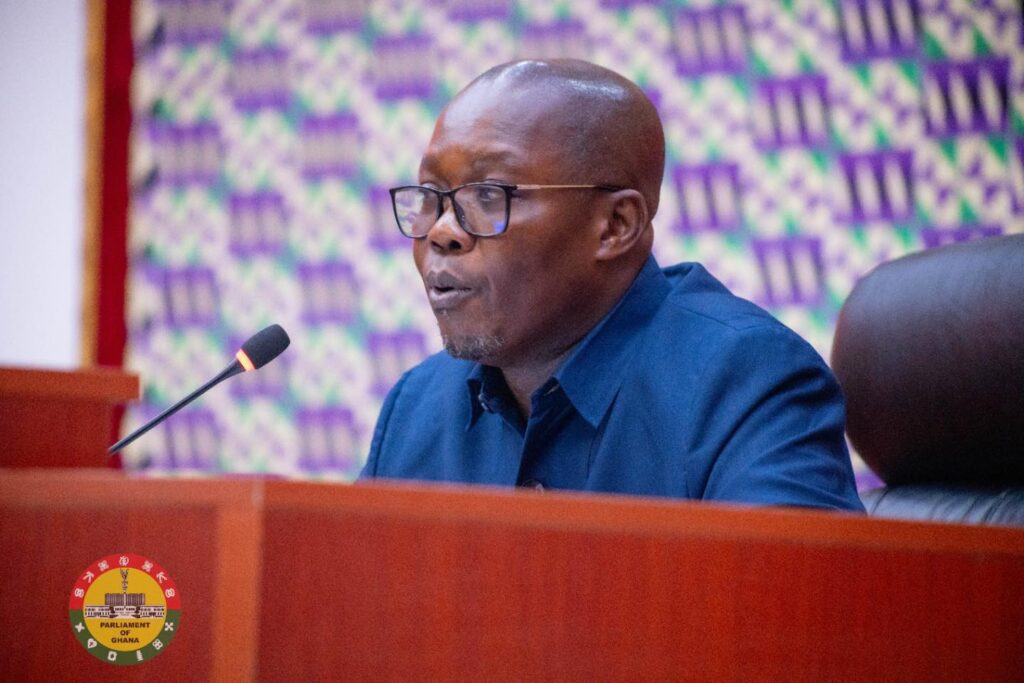
The legislation seeks to expand the criminalisation of same sex relations and activities associated with LGBTQ+ advocacy. Under the provisions passed by Parliament, individuals who engage in same sex sexual acts or identify as lesbian, gay, bisexual, transgender or queer could face prison terms of up to three years.
The bill also prescribes custodial sentences ranging from three to five years for individuals or organisations found to be promoting, sponsoring or intentionally supporting LGBTQ+ activities. The scope of these provisions extends to non governmental organisations, media platforms and social media activities.
Another aspect of the legislation requires citizens to report individuals suspected of engaging in activities prohibited under the bill. Failure to report such cases could attract prison sentences of up to three years.
However, amendments introduced before the bill’s passage created exemptions for legal practitioners representing clients, journalists reporting on matters relating to the legislation and healthcare professionals or counsellors providing medical or psychological support.
Divided Opinions Over the Legislation
The amendments themselves have generated debate among supporters of the bill. Some of the original proponents, including Assin South Member of Parliament John Ntim Fordjour, have expressed concern that the changes weakened the intended impact of the legislation.
Others have defended the revisions, arguing that they were necessary safeguards to prevent the criminalisation of legitimate professional duties and to avoid excessive legal overreach.

Questions have also emerged regarding the legislative process that led to the bill’s approval. Political actors have traded accusations over the handling of the legislation, with some suggesting that the issue has become increasingly politicised.
President John Dramani Mahama has indicated that although he supports the moral sentiments underpinning the bill, all procedural and legal concerns must be addressed before any final action is taken.
He has previously stated that the legislation would be carefully reviewed and referred to the Council of State to ensure that all constitutional requirements have been met.
Awaiting Presidential Action
For the Human Sexual Rights and Family Values Bill to become law, it requires presidential assent. Until that stage is reached, discussions regarding its constitutional validity, social implications and political consequences are expected to continue.

Against this backdrop, Barker-Vormawor’s proposal introduces another perspective into an already complex national conversation, calling for a more consensus approach to the controversial bill.
By advocating a constitutional process that seeks wider parliamentary agreement, he argues that the responsibility for such a consequential decision should be shared collectively rather than borne by any single political party.
READ ALSO: TOR Board Inspects Ongoing Projects as Refinery Targets Expansion & Operational Efficiency