The United States has placed travel bans on more than 100 Nicaraguan officials and their family members as part of a broader campaign to punish the current government for human rights abuses.
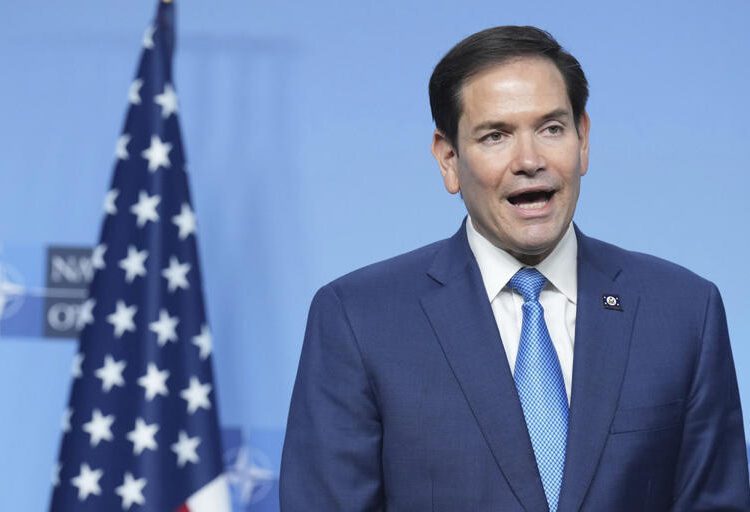
US Secretary of State Marco Rubio said in a statement that the new sanctions were imposed in part because of the death of an imprisoned activist, Brooklyn Rivera.
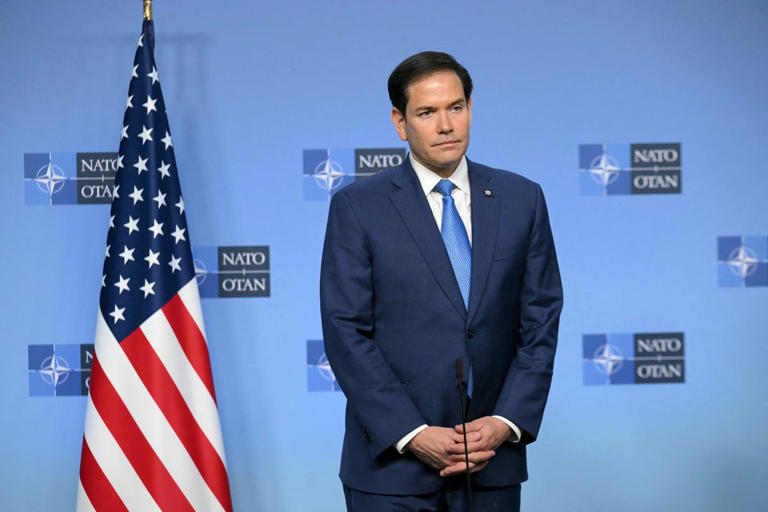
“The United States will not ignore the Murillo-Ortega dictatorship’s responsibility for the horrific death of political prisoner Brooklyn Rivera. U.S.-sanctioned Lumberto Campbell Hooker was directly involved in denying medical care to Brooklyn Rivera and prevented his family from burying his remains.”
Marco Rubio
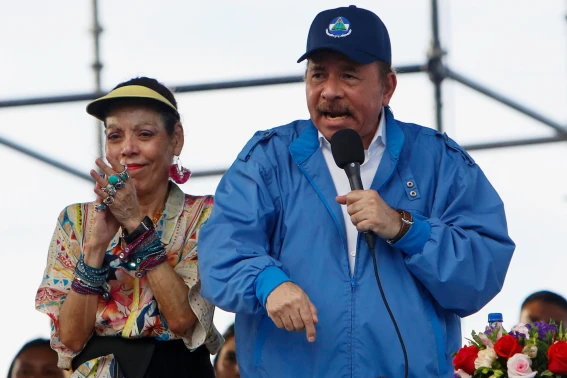
Rivera, who died last month, criticized the policies of Nicaraguan President Daniel Ortega and his wife and Co-President Rosario Murillo.
Longtime leader Ortega officially named Murillo — his wife and a former vice president — the Co-President a year ago. Observers said the move appeared aimed at consolidating the family’s grip on Nicaragua and ensuring that power is handed down to their children.
Rivera was a renowned Indigenous leader who spent years fighting for the rights of his community and was imprisoned by the government in September 2023. His arrest came during a yearslong crackdown on civil society and dissent, which began following mass protests in 2018 that the government violently repressed.
Nicaragua’s government has said Rivera died from a bacterial infection after his health had declined following a case of COVID-19, which led to his physical and neurological deterioration. Human rights activists and groups worldwide denounced his death, and the U.S. had called for his release when the government published photos of him in the hospital in critical condition.
The U.N. human rights office also called on the Nicaraguan government to conduct an impartial investigation into the death of renowned imprisoned Indigenous leader Brooklyn Rivera, adding to international condemnation of the case.
In a post on X, the U.S. Bureau of Western Hemisphere Affairs noted that six of Rivera’s family members and friends had gone missing, and condemned their disappearance.
Nicaragua’s government has also imprisoned adversaries, religious leaders, journalists and more, then exiled them, stripping hundreds of their citizenship and possessions. Since 2018, it has shuttered more than 5,000 organizations, largely religious, and forced thousands to flee the country.
The government often accuses critics and organizations it targets of working for the U.S. and its enemies to undermine its power.
More Than 2,350 Nicaraguan Officials, Family Members Barred From Entering U.S
With this new set of restrictions, the U.S. has now barred more than 2,350 Nicaraguan officials and family members from entering “for their complicit role in Rosario Murillo and Daniel Ortega’s dictatorship.”
The identities of the most recent ones were not released. “The United States stands with the Nicaraguan people who, like Rivera, aspire to see a free Nicaragua,” Rubio said.
According to the statement, this action was taken pursuant to Presidential Proclamation 10309, which suspends entry into the United States as immigrants and nonimmigrants for members of the Government of Nicaragua and other individuals who formulate, implement, or benefit from policies or actions that undermine democratic institutions.
In April, the Trump administration slapped sanctions on two sons of Nicaragua’s husband-and-wife Co-Presidents.
Ortega and Murillo’s sons, Maurice Ortega and Daniel Edmundo Ortega, both government officials, were the highest profile people to be sanctioned on Thursday, which the department said was due to their roles in the government.
READ ALSO: Disney Releases First Poster for Descendants: Wicked Wonderland Musical Sequel