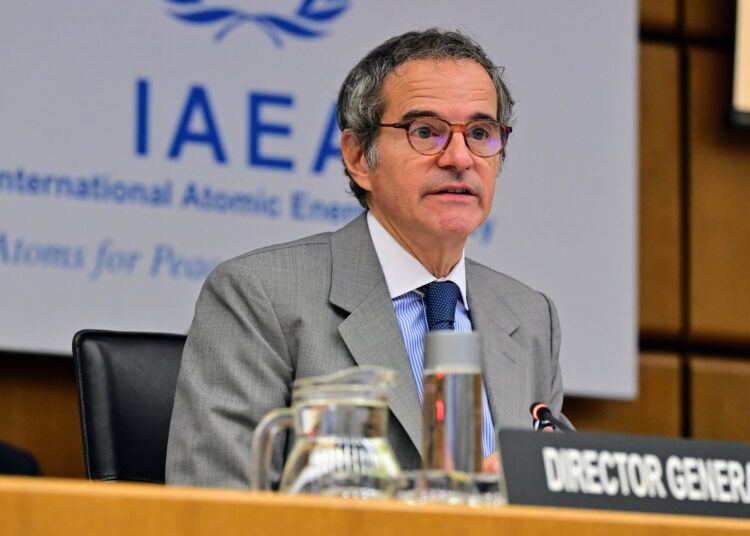
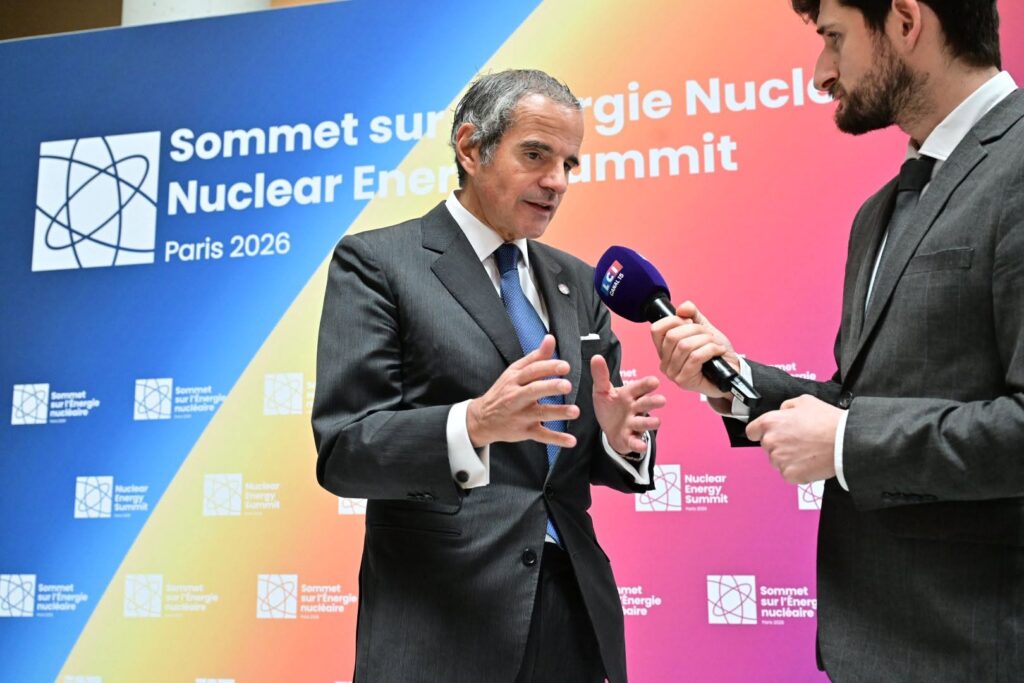
Rafael Mariano Grossi, the Director General of the International Atomic Energy Agency (IAEA), has indicated that the lack of access to international finance required to advance nuclear power programmes, particularly in developing nations, is steadily improving.
Speaking during a press briefing following a weeklong training session for journalists from both developed and developing countries, the global nuclear chief revealed that historical obstacles preventing funding are beginning to erode.
Rafael Grossi observed that the previous absence of comprehensive financing support was not always rooted in technical limitations, but was heavily influenced by long-standing restrictions and cautious perceptions surrounding nuclear energy.
Major international financial institutions have historically remained cautious about supporting nuclear projects, which effectively limited access to capital for countries eager to introduce the technology.
“When a country goes to the World Bank and says we would like to introduce an SMR in five or six years, then the World Bank comes to us and asks what we think in terms of safety, security and non-proliferation.”
Rafael Mariano Grossi, the Director General of the International Atomic Energy Agency (IAEA)
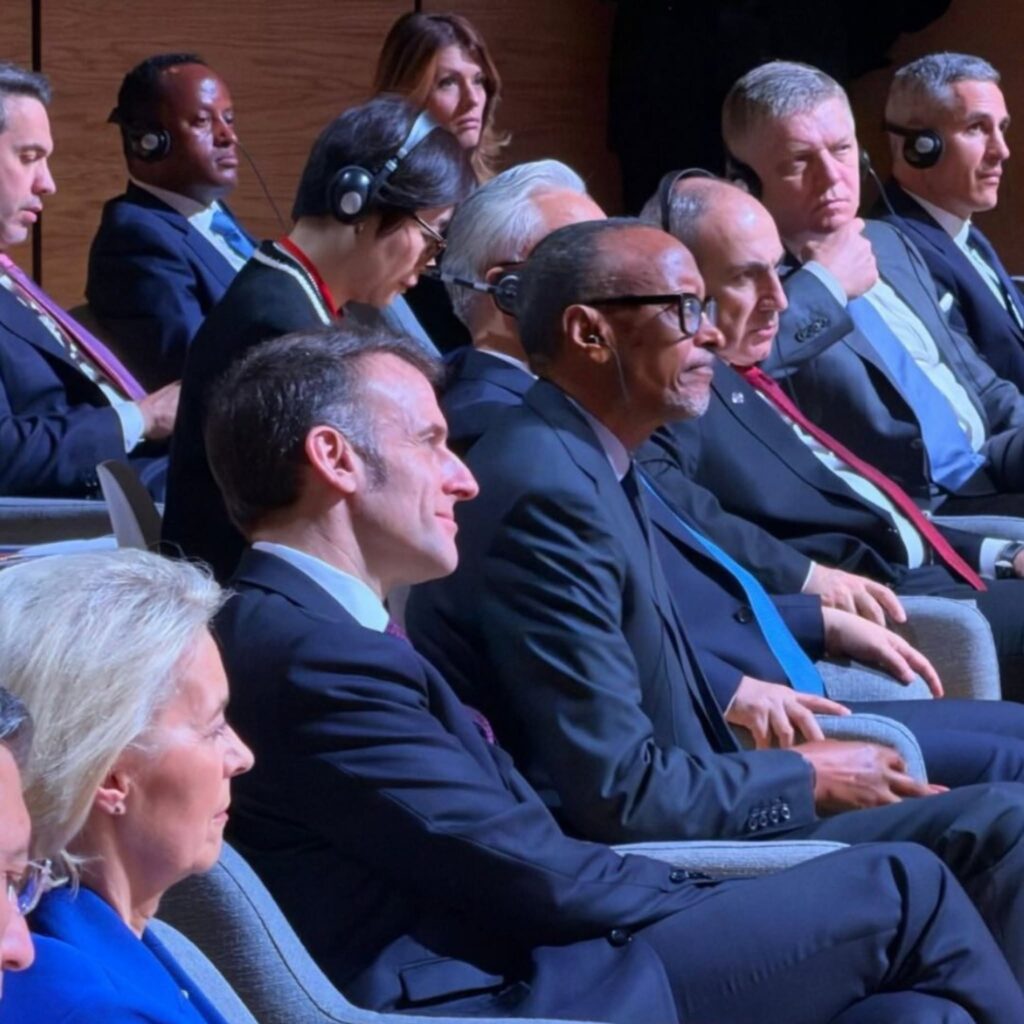
Expanding on these developments, the Director General highlighted that intensive promotional efforts and deliberate diplomatic engagement by the IAEA with development finance institutions have helped trigger a major policy shift.
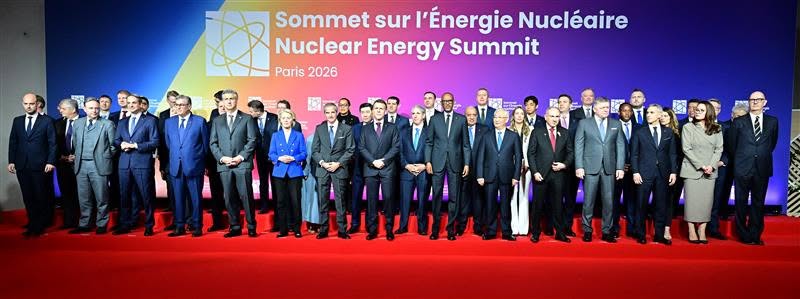
He recounted discussions held a few years ago with the leadership of the World Bank, a dialogue that laid the foundation for a new partnership between the two institutions and eventually culminated in a formal agreement signed last year in Paris.
As a result of this engagement, Grossi affirmed that the World Bank is now positioned to support financing for nuclear-related projects, describing the breakthrough as a transformative development for countries currently exploring the technology.
This landmark shift has consequently generated a wider momentum across various regional financial institutions, prompting a reassessment of their investment guidelines.
Cooperation frameworks have since been established with institutions such as the Development Bank of Latin America (CAF), the Inter-American Development Bank, and the Asian Development Bank, while active engagement remains ongoing with the African Development Bank.
“One missing piece, a very important missing piece in nuclear, was the lack of international finance,” Grossi said.
Overcoming Historical Financial Barriers
The historical exclusion of nuclear energy from the portfolios of multilateral development banks arose primarily from institutional biases, rather than objective economic or technical performance.
For decades, Western-dominated financial institutions maintained strict bans on nuclear projects due to political pressure and outdated environmental perceptions, forcing developing countries to rely exclusively on state-backed vendor financing from nations like Russia or China.
By shifting the policies of institutions like the World Bank, the global financial landscape is moving toward technology-neutral funding mechanisms that treat nuclear energy as a viable pathway for deep decarbonization.
This policy pivot helps establish an enabling environment where governments, financial institutions, and technical agencies work together to support responsible nuclear deployment. According to the Director General, the active involvement of multilateral finance institutions is important not only for mobilizing capital but also for reducing investment risks.
“Even private investors will not invest when they do not see international finance institutions and insurers getting into a project,” Grossi added.
The entry of development banks provides a stamp of commercial viability, encouraging commercial lenders and international insurers to extend credit lines and underwriting services to capital-intensive nuclear programs.
Unlocking Small Modular Reactors (SMRs)
The integration of multilateral banks into the nuclear ecosystem creates a structured framework for financing smaller, more adaptable generation technologies.
Under this emerging arrangement, countries seeking to develop nuclear energy infrastructure, including Small Modular Reactors (SMRs), can approach financing institutions while relying on the IAEA for independent assessments on safety, security, and non-proliferation requirements.
This division of labor allows banks to handle fiscal underwriting while deferring technical due diligence to global regulators, effectively lowering the barrier to entry for newcomer nations.
This streamlined institutional pipeline provides a practical template for sovereign engagement on small-scale deployments.
“When a country goes to the World Bank and says we would like to introduce an SMR in five or six years, then the World Bank comes to us and asks what we think in terms of safety, security and non-proliferation,” Grossi noted.
This mechanism reduces the long lead times and high capital costs traditionally associated with large-scale gigawatt reactors, making nuclear power accessible to smaller grids in developing markets.
Accelerating the Global Energy Transformation
Unlocking development finance is already reshaping project pipelines in emerging economies, providing a reliable alternative to fossil-fuel baseload power.
The Director General said early signs suggested the financing shift was already encouraging project pipelines in several regions, including Africa and Europe.

For developing economies facing rapid urbanization and industrial growth, access to affordable capital enables the construction of high-capacity, low-carbon infrastructure that can support grid stability alongside intermittent renewable sources.
The long-term convergence of international finance and nuclear regulation acts as a catalyst for sustainable development across the Global South.
Grossi expressed optimism that stronger coordination between development finance institutions and international nuclear regulators would accelerate access to cleaner and more reliable energy systems for countries pursuing long-term energy transformation.
By replacing rigid financing bans with risk-mitigated credit structures, the global energy sector is better positioned to meet mid-century climate goals while expanding energy access to underserved populations.
READ ALSO: Stonebwoy Announces Paris Album Signing for TORCHER II on Fête de la Musique