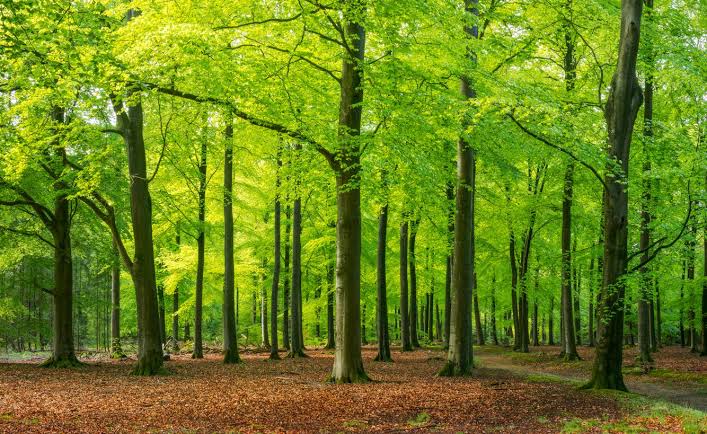
The Food and Agriculture Organization of the United Nations (FAO) has called on countries to integrate forests and trees more fully into agrifood system policies, warning that their contribution to food security, nutrition and livelihoods remains largely overlooked despite billions of people depending on them.
The Food and Agriculture Organization of the United Nations (FAO), in a new global report developed jointly with the Landscape Alliance, highlights the critical role forests play in reducing hunger and poverty and urges governments to recognise forest resources as an essential component of sustainable food systems.
The report, Forests for food: Nourishing people, sustaining the planet, notes that more than 5 billion people worldwide rely on forests and trees to some extent for their livelihoods. Yet their contribution to food security and nutrition is still insufficiently reflected in national statistics, policy frameworks and development planning.
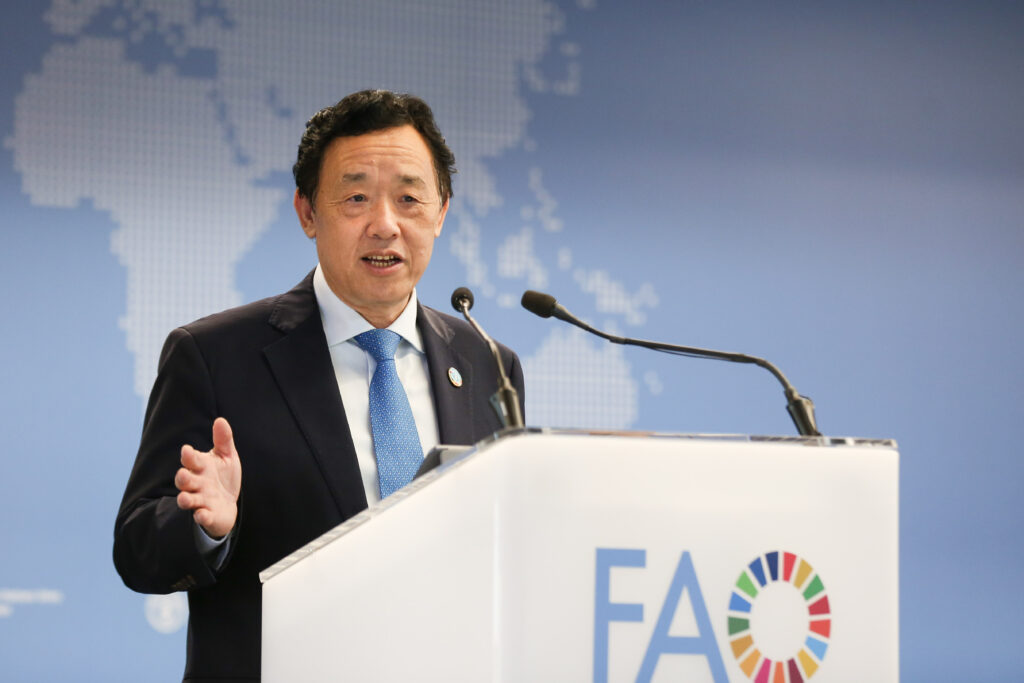
FAO Director-General QU Dongyu stated that, “by working together and fully integrating forests into national, regional and global strategies, we can build agrifood systems that are more efficient, inclusive, resilient and sustainable.“
“We must do so because conserving and sustainably managing forests is fundamental to nourishing people, sustaining the planet and improving the well-being of present and future generations.”
QU Dongyu
According to the latest State of Food Security and Nutrition in the World report, around 645 million people experienced chronic hunger in 2025.
At the same time, forests continue to face significant pressure. The world lost an average of 10.9 million hectares of forest annually over the past decade, with deforestation and forest degradation threatening biodiversity, weakening ecosystem services, and potentially reducing agricultural productivity and access to nutritious food.
FAO’s report highlights a strong relationship between forest cover and dietary quality, particularly among vulnerable populations.
Research in Africa, for example, has found that children living in areas with greater tree cover tend to have more diverse and nutritious diets. Forests provide a wide range of foods, including fruits, nuts, tubers, mushrooms, edible insects and wild meat.
More than 50,000 wild species are used globally for food, medicine and other purposes, including at least 10,000 species consumed directly as food.
These resources are especially vital to certain people who rely on forests. In regions of Africa, forest foods can meet up to 80% of daily protein requirements, indicating how much communities rely on natural ecosystems to meet their fundamental nutritional needs.
Different forest foods provide different nutrients. Fruits provide critical vitamins and minerals, whereas seeds and nuts provide calories, oils, and protein. Roots and tubers give carbs, whereas mushrooms contain potassium, selenium, and vitamins.
Wild leaves can also provide important sources of protein and micronutrients, including vitamin A, calcium, and iron, which are frequently lacking in the diets of nutritionally vulnerable communities.
The contribution of forests extends beyond food. More than 1 billion people worldwide rely on medicinal plants sourced from forests, supporting health and wellbeing and helping address illnesses that can affect nutrient absorption.
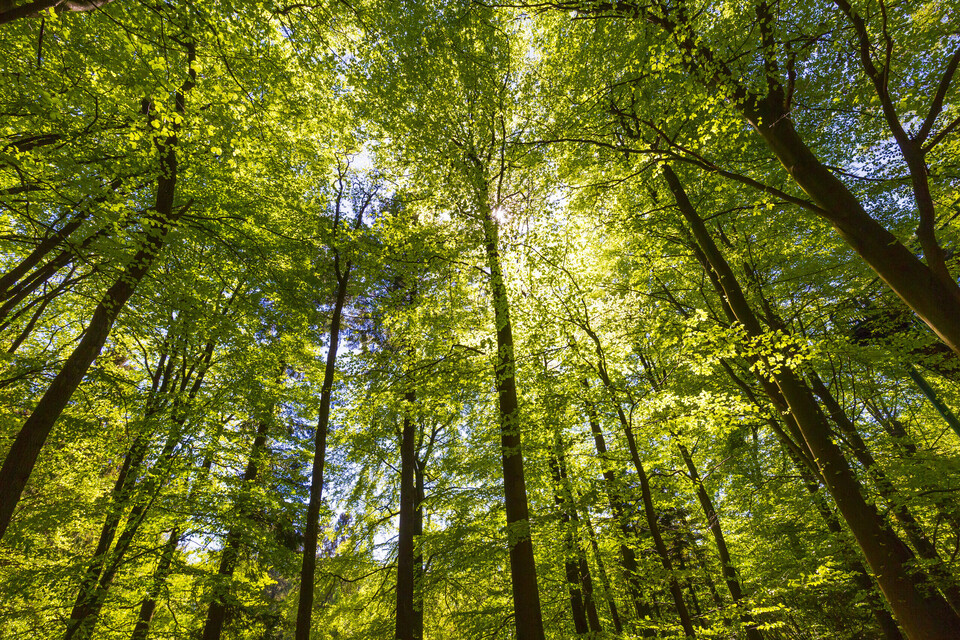
Forests give fuel, revenue, and jobs. Around 1.8 billion people rely on wood fuel for cooking, and forest resources can provide up to 20% of rural household income in some areas, serving as essential safety nets during times of food crisis and economic distress.
Their wider ecological services are similarly important. Forested watersheds supply freshwater to more than 85% of major cities and aid agriculture, cattle production, and fisheries by regulating water, protecting soil, cycling nutrients, pollinating, controlling pests, and conserving biodiversity.
The report also identifies significant regional differences in how communities depend on forests for food and nutrition.
In parts of Africa, some communities obtain as much as 80% of their daily protein from wild meat. In the Amazon, fish account for 44% of total food consumed by weight, alongside other forest-based foods such as wild meat, Brazil nuts and açaí berries.
Asia records the highest number of wild forest species used for food, while forest foods remain common across Europe. A survey covering 28 European countries found that 90 percent of respondents consume at least one forest food each year, with more than one-third reporting annual consumption of game meat.
In North America, however, wild meat is more commonly associated with recreation than subsistence.
FAO Calls for Policy Reform
Despite the scale of their contribution, forests and trees remain insufficiently incorporated into both forest policies and broader agrifood system planning.
FAO attributes part of the problem to the absence of globally agreed definitions and methodologies for measuring forest foods and forest ecosystem services, as well as fragmented approaches to policymaking.
The report therefore presents 12 recommendations aimed at strengthening the contribution of forests to food security and nutrition across policy, management, information and governance.
Among the recommendations are calls for governments to adopt integrated and context-specific policies, strengthen legal and policy frameworks, diversify production systems and promote the sustainable management and use of forest foods.
FAO also calls for increased public investment and diversified financing for sustainable agriculture and forest management, alongside stronger data systems, research, innovation and technology.
The report further stresses the need to build institutional and human capacity and strengthen partnerships between governments, civil society and the private sector.
READ ALSO: Rodri Confirms Barcelona Backing Lamine Yamal for Ballon d’Or