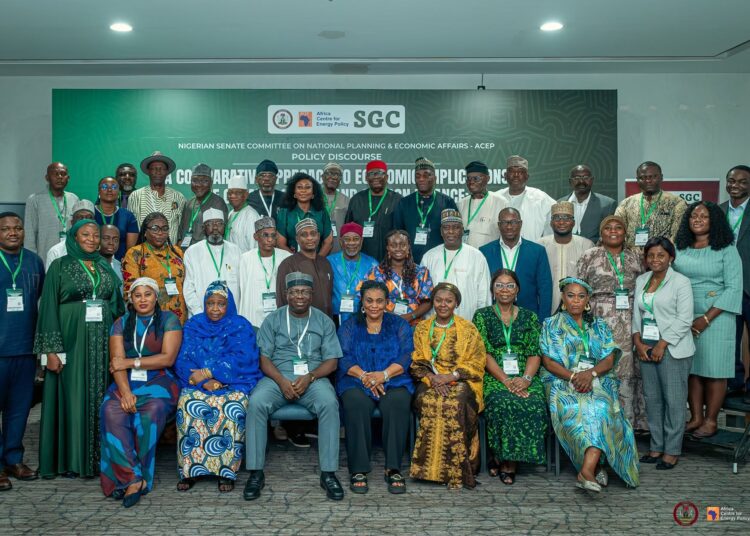
Africa Centre for Energy Policy (ACEP) convened a high-level policy discourse to examine the deep economic and fiscal implications of climate change for Nigeria and Ghana.
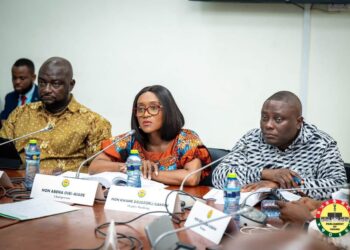
The landmark dialogue assembled the Nigerian Senate Committee on National Planning and Economic Affairs, members of the Revenue Mobilization Allocation and Fiscal Commission (RMAFC), Members of Parliament from Ghana, and leading representatives from crucial public institutions within both West African nations.
This collaborative regional platform was strategically engineered to explore how aggressive climate action can concurrently serve as a foundational pillar for sustainable development and the aggressive mobilization of internal public revenues.
“Discussions also focused on identifying priority legislative, policy, and institutional reforms needed to strengthen economic resilience and support a just energy transition. The discourse served as a platform for knowledge exchange and cooperation on climate-related economic governance.”
Africa Centre for Energy Policy (ACEP)
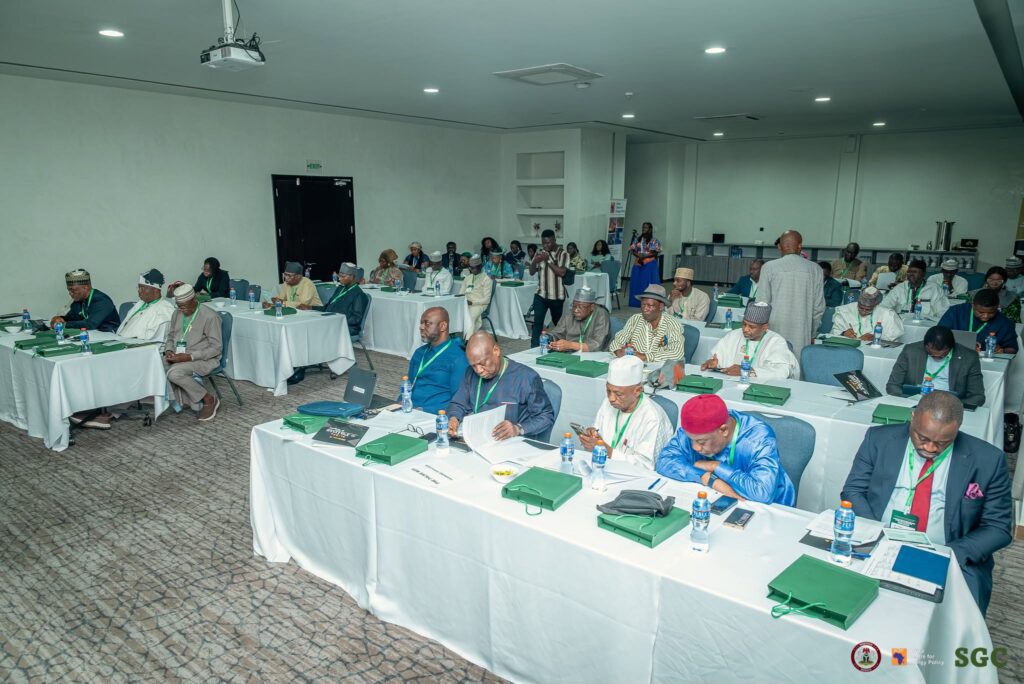
To achieve these strategic goals, the inter-parliamentary engagement actively unpacked comparative lessons across state fiscal governance architectures, regional revenue collection systems, and climate-responsive national planning structures.
The participating delegates meticulously evaluated untapped cross-border opportunities lying within international carbon finance markets, rapid renewable energy infrastructure deployment, and newly emerging global climate funding mechanisms.
By deliberately focusing on the identification of priority legislative, policy, and institutional reforms, the cross-border discourse successfully built an ongoing platform for knowledge exchange and bilateral cooperation aimed at strengthening macroeconomic resilience and supporting an equitable, just energy transition.
Harmonizing Legislative Frameworks for Fiscal Resilience and Carbon Finance
The integration of climate-responsive planning into national budgets represents a critical frontier for both Abuja and Accra.
Historically, both West African economic powerhouses have relied on traditional hydrocarbon extraction and volatile commodities to fund public expenditure, leaving their budgets highly exposed to global market shocks and climate disruptions.
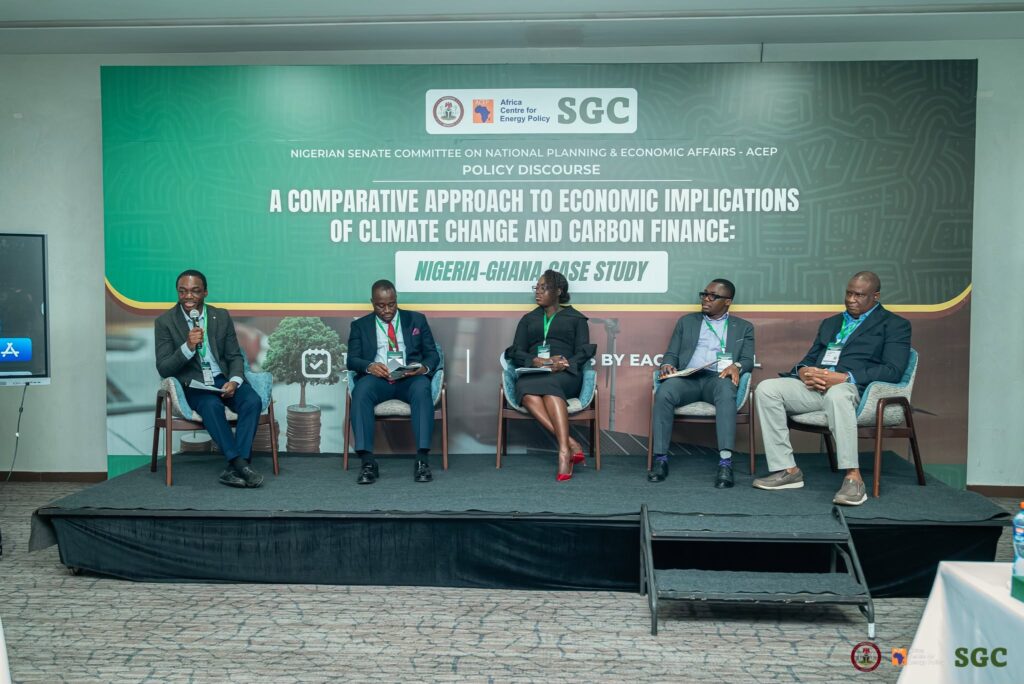
Through this targeted policy discourse, lawmakers from Ghana and Nigeria discovered that transitioning from standard fiscal frameworks to green, climate-aligned fiscal governance can insulate public reserves while expanding the domestic tax base.
By prioritizing cohesive legislative reforms, the joint parliamentary assembly mapped out strategies to institutionalize carbon pricing mechanisms, regularize green bonds, and tap into global carbon markets.
Introducing structured frameworks for carbon accounting allows both countries to formalize the trade of carbon credits, transforming environmental conservation into an active stream of domestic resource mobilization.
Furthermore, by reforming regional tax administrations and reducing inefficient fossil fuel subsidies, the state actors noted that governments can reallocate critical public capital directly into climate-resilient infrastructure.
The alignment of national planning committees ensures that climate adaptation costs are no longer treated as isolated emergency expenses, but are instead integrated directly into the medium-term expenditure frameworks of both nations.
Accelerating the Just Energy Transition and Clean Infrastructure Deployment
The core of the bilateral engagement centered heavily on de-risking the energy transition pathways within sub-Saharan Africa.
For Nigeria, Africa’s largest oil producer, and Ghana, a vital hydrocarbon hub, the transition away from fossil fuels presents deep infrastructural hurdles that require immediate policy updates.

The policy dialogue directly addressed these vulnerabilities by designing frameworks that leverage renewable energy deployment to close chronic electricity access gaps while driving local industrialization.
Legislators agreed that standardizing regulatory frameworks for independent power producers (IPPs) in the solar, wind, and hydro sectors will attract private green capital that reduces the financial burden on state utilities.
By building shared technical baselines, public institutions can systematically upgrade their national grids to absorb decentralized renewable power.
This coordinated push not only lowers long-term electricity generation costs but also insulates the regional energy sector against international transition risks, ensuring that infrastructure investments made today remain viable in a low-carbon global economy.
Strengthening Bilateral Institutional Cooperation and Resource Mobilization
The institutional convergence between Ghana’s parliamentary structures and Nigeria’s RMAFC establishes a strong precedent for sub-regional economic governance.

Representatives acknowledged that single-country climate strategies are structurally insufficient to combat macro-environmental shocks that cross national borders.
By establishing a permanent mechanism for knowledge exchange, the institutions are better positioned to jointly negotiate for international climate finances, demanding more equitable terms from global funding bodies.
The benefits of this structured cooperation flow directly into the oversight capabilities of the respective state legislatures.
MPs and committee members gained vital technical insights required to monitor complex climate funds and enforce accountability over environmental revenues.
Moving forward, the joint frameworks will enable both nations to harmonize their climate investment codes, preventing a regulatory race to the bottom and ensuring that international climate finance actively supports domestic supply chains, local job creation, and long-term continental economic self-reliance.
READ ALSO: G7 Leaders Pledge To Bolster Ukraine’s Air Defences