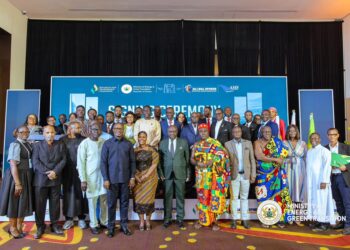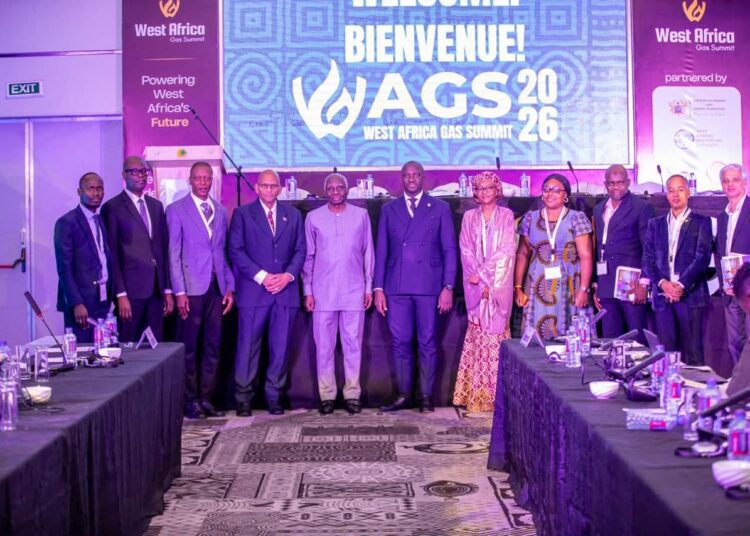
Petroleum Commission of Ghana has called for urgent, synchronized regional funding, robust cross-border collaboration, and unified policy frameworks to fully tap into West Africa’s massive natural gas repositories and guarantee long-term power autonomy.
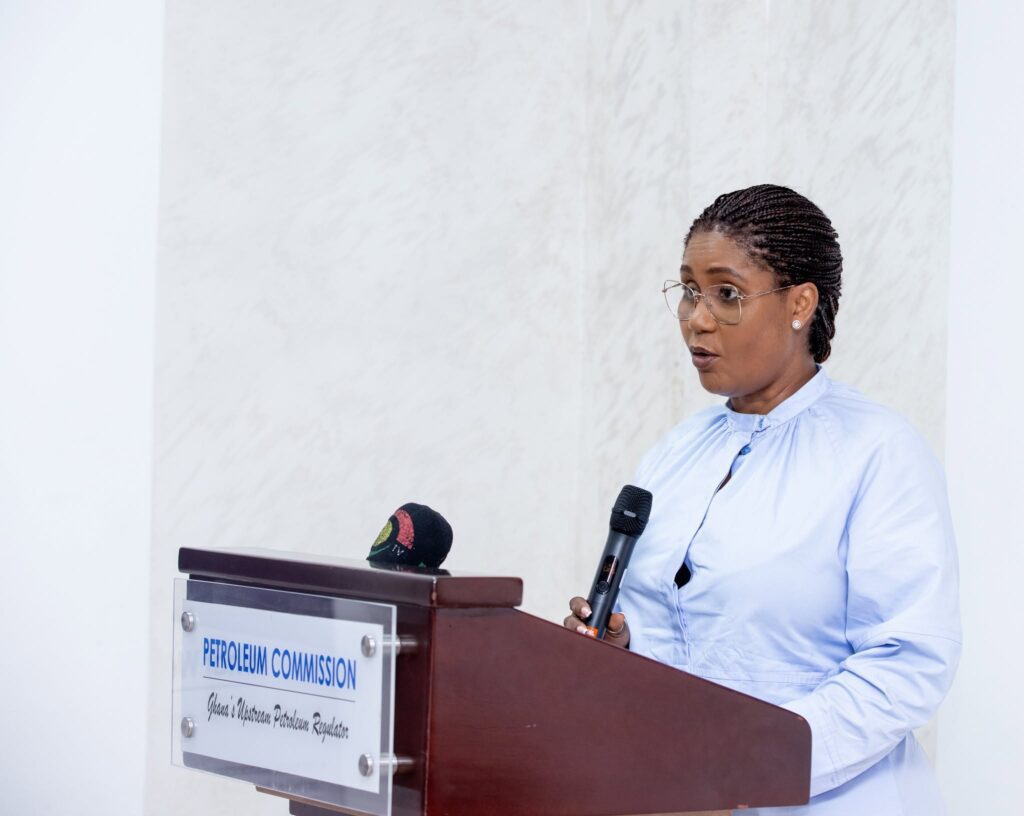
Speaking on behalf of the regulatory body at the prestigious 2026 West Africa Gas Summit, the Acting Deputy Chief Executive Officer, Nasir Alfa Mohammed (Esq.), positioned strategic investment as the critical mechanism required to translate geographic asset wealth into reliable domestic energy markets.
His address to the regional assembly emphasized that while the physical resources are legally documented and physically abundant, they will remain fundamentally constrained without an intentional pooling of pan-African capital and regulatory alignment.
“West Africa has the gas resources to power its future, but unlocking that potential will require investment, collaboration and the right policies.Representing the Petroleum Commission at the 2026 West Africa Gas Summit, Ag. Deputy CEO, Nasir Alfa Mohammed (Esq.), joined regional energy leaders in discussions on strengthening energy security and building resilient gas markets across the region.”
Petroleum Commission of Ghana
The Commission detailed how sub-regional grid integration and targeted financial inflows must be paired with modern infrastructure to insulate the region from volatile global energy shocks.
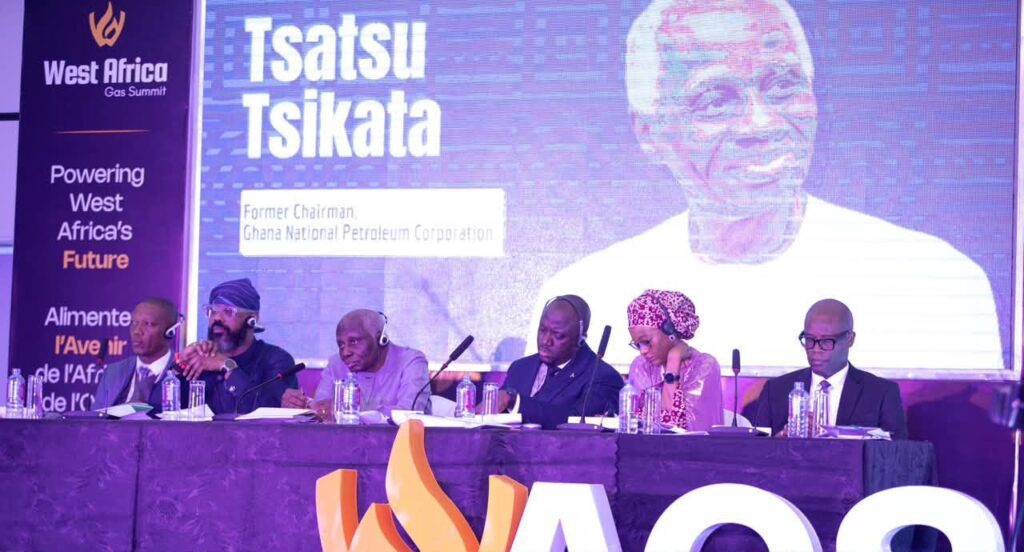
By actively engaging with counterpart energy ministries, multi-national developers, and infrastructure financiers during the summit panel sessions, the Ghanaian delegation outlined the necessity of building resilient market structures capable of sustaining industrial growth.
The state regulator used the high-profile platform to outline Ghana’s comprehensive gas value chain, showing how localized infrastructure pipelines can serve as a dependable, highly scalable model for broader cross-border infrastructure networks across West Africa.
Catalyzing Domestic Industrialization and Economic Stability in Ghana
The direct economic benefits of attracting targeted investments into Ghana’s domestic gas value chain are extensive, offering a definitive pathway toward lower industrial production costs and currency stabilization.
Historically, local manufacturing and processing sectors have faced severe operational disruptions due to high electricity tariffs and erratic fuel supply lines, problems that are easily resolved by capturing and domesticating natural gas.
By injecting capital into state-of-the-art gas processing plants and expanded pipeline networks, Ghana can smoothly transition its heavy industrial zones from imported liquid fuels to clean, locally sourced thermal energy.
This infrastructural upgrade directly cushions the state’s central reserves from external macro-economic pressures.
Whenever domestic power plants rely heavily on imported light crude oil, the government must continually exhaust its foreign exchange reserves to stabilize the power grid, causing deep inflationary pain across the local economy.
Transitioning to a secure, asset-backed domestic gas supply ensures fiscal predictability, allows the state to reallocate vital foreign currency to other critical sectors, and drives down the structural cost of doing business.
Fortifying Regional Energy Security and Cross-Border Interconnection
On a broader sub-regional scale, a coordinated capital campaign across the Economic Community of West African States (ECOWAS) creates a powerful, highly unified buffer against international energy market volatility.
When sovereign nations actively pool financial and regulatory resources to build multi-national transmission networks, they drastically eliminate the single-point-of-failure vulnerabilities that currently plague isolated national grids.
A fully integrated West African gas market ensures that an unpredicted supply deficit in one nation can be immediately mitigated by an operational surplus from a regional neighbor.

This shared infrastructure model changes natural gas from a simple power-generation fuel into a cornerstone of regional integration and mutual economic defense.
By utilizing frameworks like the West African Gas Pipeline network, interconnected nations can seamlessly move large energy volumes to where demand is highest, powering regional manufacturing centers and driving down consumer electricity costs across borders.
This collective reliability forms the baseline for sustainable, long-term industrialization across neighboring West African territories.
Creating Agile Regulatory Environments to Attract Global Private Capital
The transition from localized gas potential to verified regional prosperity depends entirely on the swift implementation of modern, highly competitive regulatory frameworks.
Global private investors and developmental finance institutions require absolute legal predictability, transparent tariff structures, and flexible fiscal regimes before committing large-scale capital to long-term infrastructure projects.
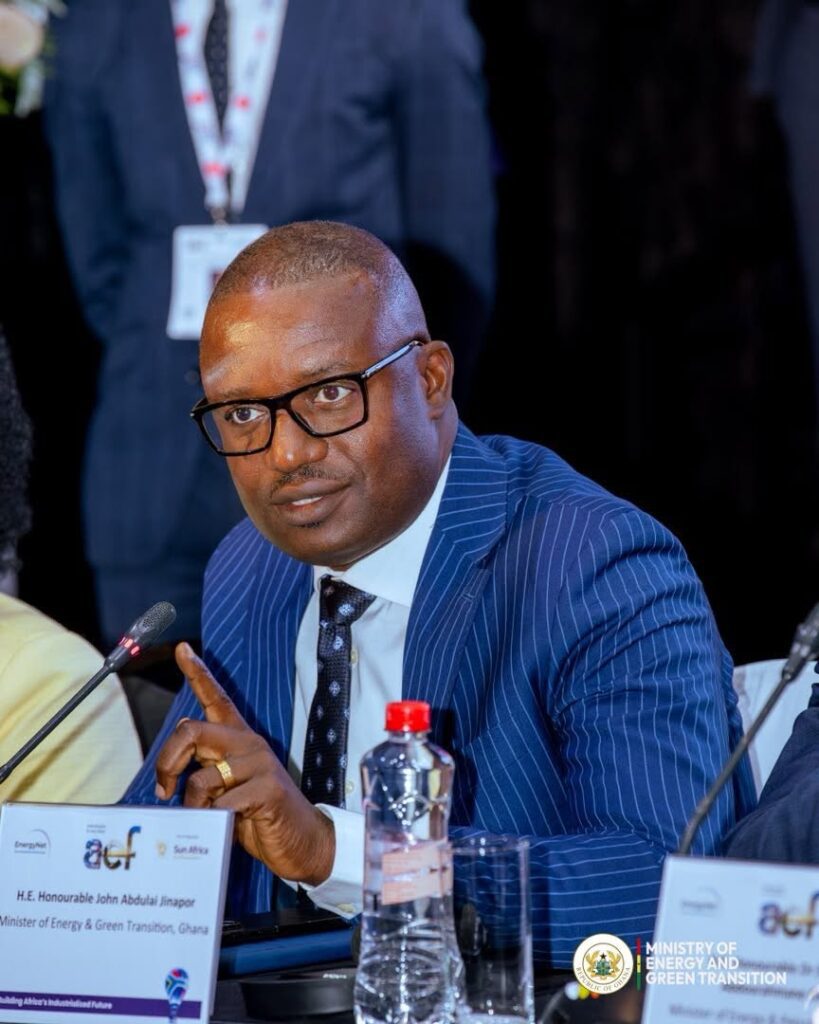
West African regulatory bodies must cooperate deeply to harmonize contract enforcement rules and eliminate counterparty risks that frequently stall cross-border pipeline development.
By establishing an agile and investment-friendly commercial environment, West African governments can successfully de-risk the sector, encouraging major private entities to fund capital-intensive distribution projects.
When state policies clearly minimize red tape and guarantee fair investment returns, global funds naturally migrate toward the region’s energy sector.
This critical alignment of public policy and private capital is exactly what will transform West Africa’s dormant natural asset wealth into a thriving, self-sustaining regional economy.
READ ALSO: Minority Demands Appearance Of Gold Board CEO Amid Procurement Questions And Financial Scrutiny