Ghana faces recurring floods that disrupt lives, destroy property, and strain public resources.
Recent heavy rains in June 2026 submerged parts of Accra, echoing a familiar pattern of vulnerability in the capital and other urban centers. As climate change intensifies rainfall patterns and rapid urbanization worsens exposure, questions arise about financial preparedness. A pioneering parametric insurance scheme for the Greater Accra Metropolitan Area (GAMA) could provide timely relief, but implementation remains key.
Accra and surrounding areas experience frequent flooding due to a combination of natural and human factors. Over the past three decades, Ghana has recorded more than 27 major flood events, with 15 significantly affecting Accra. Poor drainage systems, unregulated settlements in floodplains, waste clogging waterways, and deforestation contribute heavily to the problem. Climate change adds intensity, with heavier downpours becoming more common.
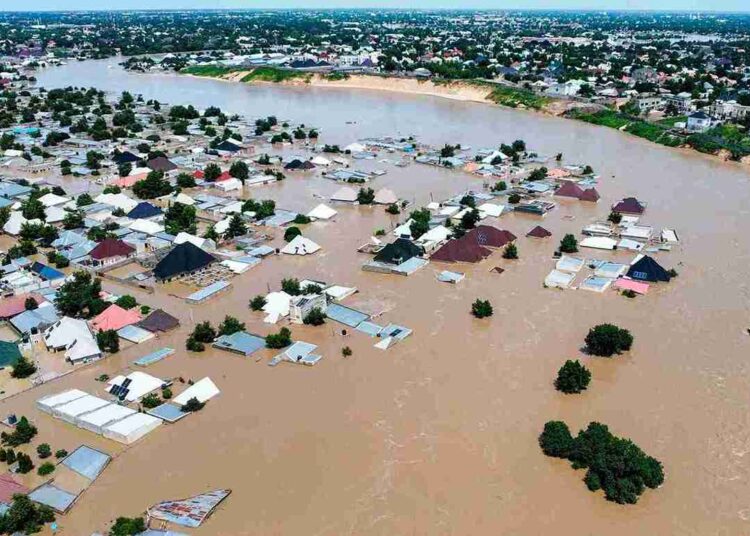
In early June 2026, intense rains turned roads into rivers in neighborhoods like Kaneshie, Odawna, Adabraka, and Kwame Nkrumah Circle. Homes flooded, businesses halted operations, and commuters faced severe disruptions.
Today, 29th June, the story has not changed! Such events highlight systemic weaknesses. Researchers note rising flood incidents in Accra and Kumasi over the last decade, linked to urban expansion outpacing infrastructure development.

The Parametric Insurance Scheme: Ready but Not Yet Live?
In response to this chronic risk, a public private partnership developed a sovereign parametric flood insurance solution for the Greater Accra Metropolitan Area (GAMA). Launched in 2022 through collaboration between the Ministry of Finance, UNDP, the Insurance Development Forum, and partners including Swiss Re and Allianz, the project delivered two products by late 2024: the Excess Rainfall Cover (XSR) and the Flood Footprint Product (FFP).
The XSR triggers payouts when measured rainfall exceeds predefined thresholds. The FFP, a more advanced option, relies on satellite radar to detect actual flood extent on the ground. Both aim for rapid disbursements, often within days or weeks, to fund NADMO-led relief efforts without lengthy damage assessments. Targeted at vulnerable low income and informal settlements, the scheme could directly protect 1.2 million people and indirectly benefit up to 5 million.
A Flood Contingency Plan outlines how payouts would flow from insurers to the Ministry of Finance and then to NADMO for emergency aid, shelter, cash transfers, and early recovery. Capacity building efforts trained professionals and advanced inclusive insurance initiatives.
Despite technical completion and handover, the insurance has not yet gone live. Government approval and premium arrangements remain pending as of mid 2026. This gap means the June 2026 floods occurred without the financial safety net the scheme promises.
Assessing Payout Likelihood: Triggers and Timing
Whether Ghana is due for a payout depends on two factors: activation of the policy and satisfaction of trigger conditions.
For the XSR product, meteorologists would check if rainfall in monitored GAMA basins surpassed attachment points during the recent events. Reports of heavy downpours suggest possible exceedance in some areas, though exact gauge data would determine eligibility. The FFP offers potentially better alignment by measuring actual water coverage via satellite, reducing basis risk.
Had the policy been in force, the June 2026 floods would likely have triggered at least a partial payout, given the widespread impacts in insured vulnerable zones. Payouts scale with event severity, providing funds for immediate response. However, without an active policy, no automatic trigger applies. The government continues to rely on traditional budget reallocations and external aid.
This situation underscores a critical timing issue. The products reached technical readiness in 2024, yet bureaucratic and financial hurdles delayed implementation. Recent floods serve as a stark reminder of the costs of delay.
Parametric insurance offers clear advantages for Ghana. Speed of payout addresses the biggest shortfall in current disaster financing. Traditional relief arrives slowly, often after needs peak. Predefined triggers ensure transparency and reduce disputes.
Analytically, the scheme represents a shift from purely reactive to anticipatory risk management. It aligns with Ghana’s broader climate adaptation goals and could strengthen NADMO’s operational capacity. If activated, it positions Ghana as a regional leader in urban flood insurance.

The Protection Gap: Low Insurance Penetration
Insurance coverage in Ghana stays critically low. Approximately seven out of ten Ghanaians lack access to insurance, while 42 percent remain excluded from basic financial services. This leaves most households and businesses exposed to catastrophic losses without financial buffers. Traditional indemnity insurance requires lengthy damage assessments, delaying payouts when speed matters most.
Public resources stretch thin during disasters. The National Disaster Management Organisation (NADMO) coordinates responses, but reactive funding burdens national budgets. With flood risks rising under various socioeconomic pathways, projections indicate hundreds of thousands of building footprints and millions of people facing high susceptibility in Greater Accra by mid century.
This protection gap disproportionately affects informal settlements and low income communities in GAMA, where rapid urbanization has concentrated risk. Without innovative risk transfer mechanisms, recovery remains slow, perpetuating cycles of poverty and vulnerability.
Activating Protection Before the Next Rains
The June 2026 floods make a compelling case for urgent implementation. Government authorities should fast track policy purchase and activation ahead of peak rainy seasons. International partners could provide initial premium subsidies to bridge the gap, as seen in other African risk pools.
Recurring floods demand multifaceted solutions. Insurance provides critical liquidity, but long term resilience requires stricter enforcement of building regulations, improved drainage networks, ecosystem restoration, and climate smart urban planning. Community involvement and early warning systems further strengthen defenses.
The parametric flood insurance project marks a significant step. If activated, it could deliver much needed financial protection, enabling faster recovery and reducing human suffering. As rains intensify, the question is not if floods will return, but whether Ghana has positioned itself to respond effectively. Implementation of this innovative scheme could mark a turning point in the nation’s disaster risk management.
In parallel, investments in early warning systems, resilient infrastructure, and regulated urban development remain essential. A comprehensive approach combining insurance liquidity with prevention offers the best path to reduced losses.
Ghana stands at a crossroads. The parametric tools exist. Recent floods demonstrate the need. With decisive action, the country could secure a payout mechanism that turns disaster response from a scramble into a structured, timely intervention. The floods are here again. The question now is whether Ghana will ensure it is ready for the payout next time.