Ghana’s oil production has increased by about 30% after five years of sustained decline, Energy and Green Transition Minister John Abdulai Jinapor has announced, as renewed investment commitments, additional drilling plans and efforts to secure long-term gas supplies begin to reshape the country’s upstream petroleum outlook.
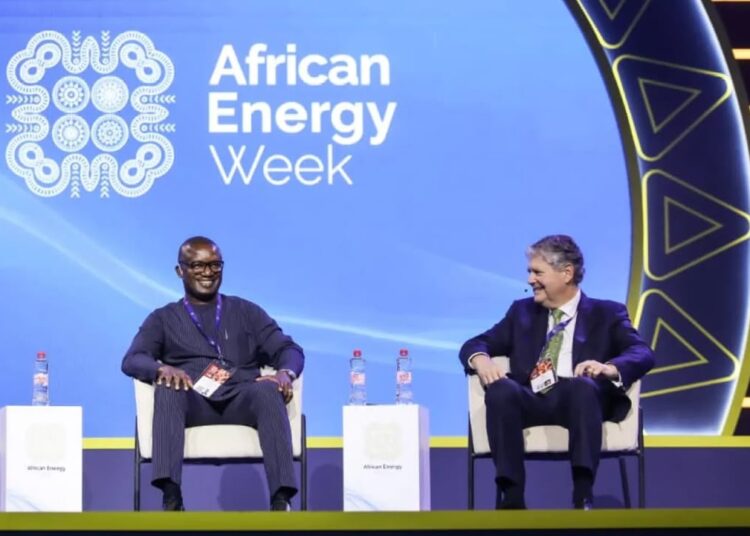
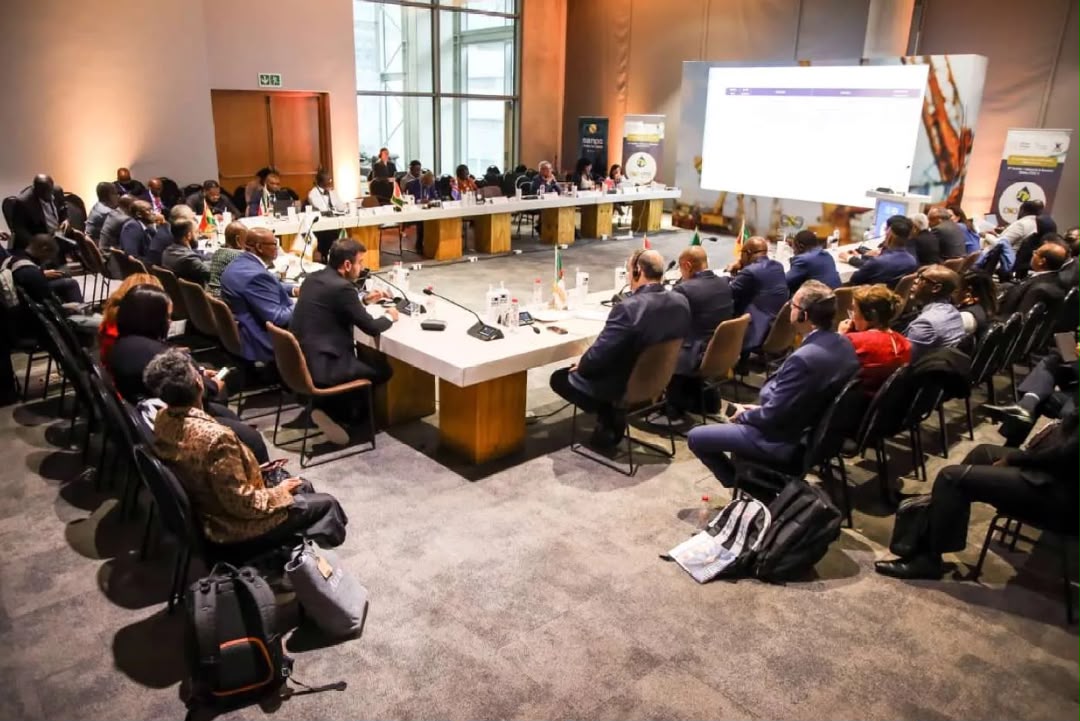
Speaking during the opening fireside chat at African Energy Week (AEW) 2026, Jinapor said the increase followed progress in translating investment discussions with Jubilee field partner Kosmos Energy into an active development programme.
The turnaround follows a 2025 agreement involving the extension of the Jubilee and Tweneboa-Enyenra-Ntomme (TEN) licences to 2040, alongside a development campaign intended to support additional production and strengthen gas supplies for Ghana’s domestic power market.
At the centre of the programme is an amended Jubilee field development plan covering up to 20 additional wells, backed by a $2 billion memorandum of understanding with Kosmos.
The extended licence period is intended to give the partners a longer investment horizon, while the additional drilling is expected to support production growth.
“Since then, we have started work and have transformed that into a tangible agreement. We have approved the plan of development, with real work commencing,”
Energy and Green Transition Minister John Abdulai Jinapor
He added that the production increase marked a reversal of the trend recorded over the previous five years.
“But this year, I am happy to announce that oil production has increased by about 30%,” the minister said.
The announcement signals a shift in Ghana’s upstream story from efforts to secure longer-term investment commitments towards the delivery of drilling and development activities.
The durability of the recovery, however, will depend on whether new wells sustain production, existing fields are managed effectively and operators maintain sufficient investment to counter natural declines.
Jubilee Drilling Campaign Targets Further Production
The production increase comes as Kosmos Energy prepares for another phase of drilling at Jubilee, one of Ghana’s principal producing oil fields.
In its August results, Kosmos reported that the Jubilee partnership was seeking a rig for a campaign of up to 10 wells in 2027–2028, with drilling expected to begin in mid-2027.
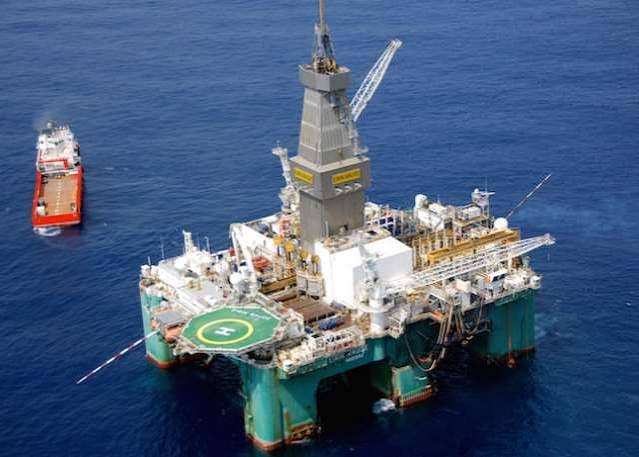
Jubilee averaged approximately 72,000 barrels per day in gross production during the second quarter, while wells J76 and J77 came online in June and July, respectively.
These developments provide a more immediate operational context for Jinapor’s announcement.
The minister’s reported 30% increase describes the broader production trend he highlighted at AEW, while Kosmos’s second-quarter figure relates specifically to Jubilee’s average gross output over that period. The two figures should therefore not be treated as equivalent measures.
The planned drilling campaign also indicates that the investment programme extends beyond the wells already brought online.
A further 10 wells would form part of a longer development effort within the amended plan, although the timing and final scope of the campaign will depend on the partners’ operational preparations.
Kosmos retained a group capital expenditure budget of $350 million for 2026, placing its Ghana activities within a wider programme of investment, cost management and debt reduction.
For Ghana, the central question is whether the current increase can be sustained through successive drilling campaigns.
New wells can support output, but the long-term production trajectory will also depend on reservoir performance, project execution, operating costs and the pace at which new investments come onstream.
Licence Extensions Give Investors A Longer Horizon
The 2025 agreement covering Jubilee and TEN was intended to connect the partners’ investment plans with Ghana’s longer-term production and energy-supply priorities.
Extending the licences to 2040 provides a longer period within which the partners can plan development activities and evaluate the commercial case for additional investment.
In capital-intensive offshore operations, that visibility can influence decisions on drilling, technology and infrastructure.
Andy Inglis, Chief Executive Officer of Kosmos Energy, said the agreement helped align the company’s investment interests with Ghana’s national priorities.
The agreement, he explained, “aligned the needs of the country with what we can bring as an investors. Extending the license gave us the confidence to invest, particularly in technology.”
The remarks highlight the relationship between regulatory certainty and capital deployment. Offshore drilling requires substantial upfront expenditure, and operators need sufficient confidence in the period available to recover investment and generate returns.
For Ghana, the challenge is to maintain that confidence while ensuring that licence extensions and investment incentives deliver measurable benefits to the country.
These include sustained production, government revenue, employment, domestic energy supply and opportunities for local companies.
The extension alone does not guarantee those outcomes. Its value will ultimately be reflected in the scale of investment undertaken, the production delivered and the extent to which the resulting activity supports national energy priorities.
Gas Supply Adds A Domestic Energy Dimension
Beyond crude oil production, the agreement also places emphasis on increasing gas supplies for Ghana’s domestic market.
Inglis said the partners had considered the country’s need for affordable energy alongside the commercial requirements of offshore development.
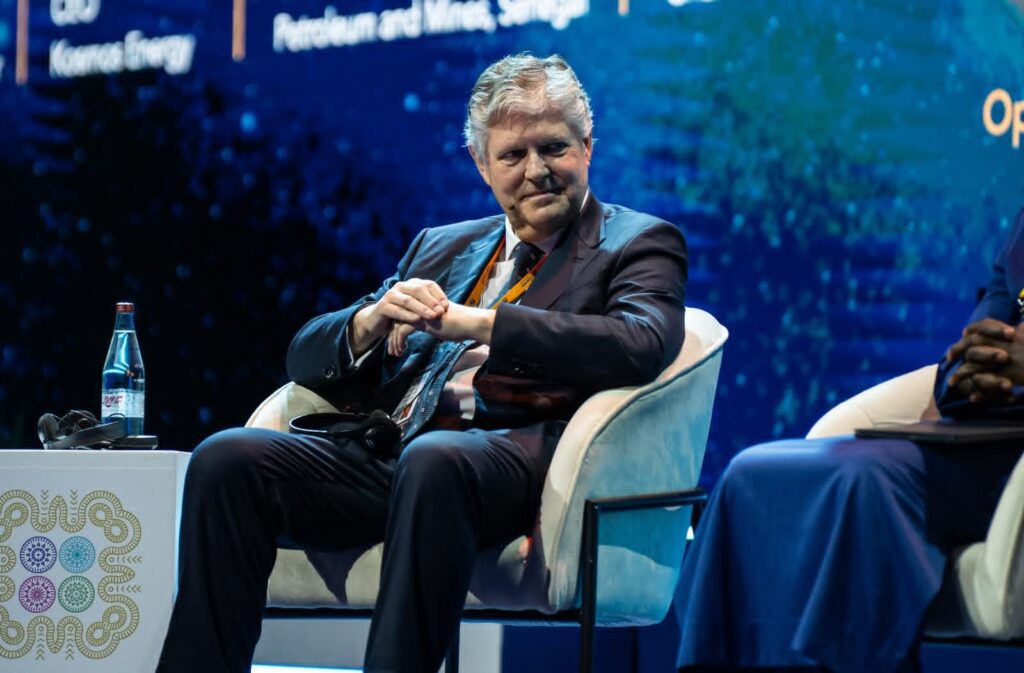
“As we deal with energy security, it also comes down to energy affordability. We agreed to supply low-cost gas to the country,” he said.
The gas component matters because Ghana’s upstream petroleum sector serves more than an export and revenue function. Domestic gas supply is important to electricity generation, making the performance of offshore projects relevant to the cost and reliability of power production.
Reliable supplies can help support thermal power generation and reduce exposure to disruptions in fuel availability. However, the benefits depend on gas production, processing and transportation capacity, as well as the terms under which gas is supplied and paid for.
The commitment described by Inglis therefore connects upstream investment to the wider electricity system.
It also underlines the importance of ensuring that additional petroleum development is supported by infrastructure capable of delivering gas to domestic users.
For Ghana, the commercial terms of gas supply will remain important. Affordable fuel can support power-sector costs, but the overall benefit will depend on reliable delivery and the financial sustainability of the arrangements between suppliers and buyers.
Ghana Pursues New Agreements With Other Operators
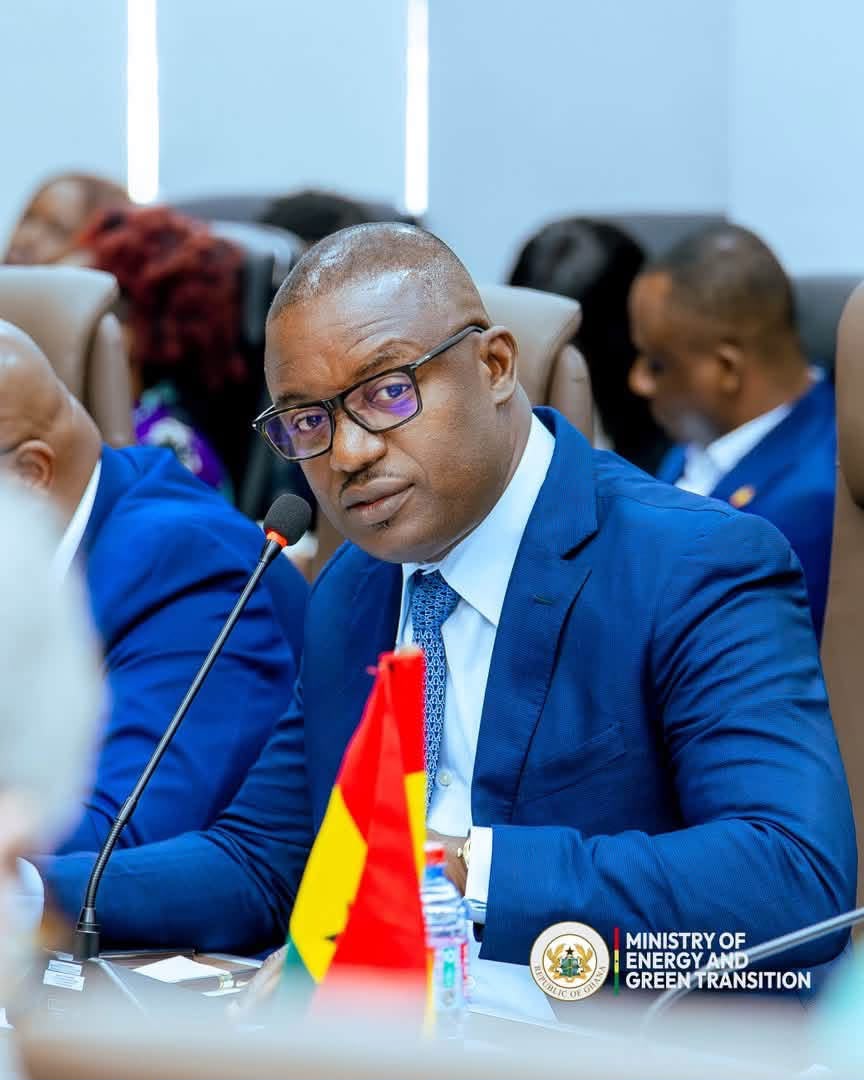
Jinapor said the government was also pursuing investment discussions with other international operators as part of efforts to make the upstream sector more attractive and mutually beneficial.
“We are trying to make the sector more attractive and mutually beneficial. We are working together and building trust. We already have agreements with Chevron and are working with Shell and CNOOC. We are confident that we will see an uptick [in investments],”
The minister’s remarks suggest that Ghana wants the progress made with Kosmos to form part of a wider effort to stimulate investment across the sector.
Diversifying investment activity among operators could help support future exploration and development, although the outcome will depend on the status and terms of individual negotiations.
Jinapor also outlined steps towards changes to the fiscal regime, which he said were intended to improve the country’s competitiveness.
“We are reforming our fiscal regime, making it more competitive and friendly. I have approved my portion and the minister of finance has approved his. Next week are going to cabinet and then we will go to parliament. We will sign the agreement with Chevron once we have received parliamentary approval. We have had a good meeting with Petrobras and are looking at closing a deal.”
The minister’s statement places fiscal reform alongside licence certainty and project development as part of the government’s investment strategy.
Changes to fiscal terms can affect the economics of petroleum projects, but they must also be assessed against the public revenues and other benefits Ghana expects to receive from its resources.
His comments on Chevron and Petrobras point to further discussions, but the agreements and potential deal he referenced should be distinguished from completed transactions.
The Chevron agreement, according to Jinapor, remains subject to parliamentary approval, while the Petrobras discussions are aimed at closing a deal.
Production Recovery Will Be Tested By Delivery
Ghana’s reported 30% increase in crude production provides a positive signal after years of decline, but the next phase will be judged by whether the improvement continues as new wells and development projects progress.
The Jubilee campaign offers one route to sustaining output, while the licence extensions to 2040 provide a longer framework for investment. Efforts to secure affordable domestic gas supplies also link offshore development to Ghana’s electricity needs.
At the same time, the government’s discussions with other operators and proposed fiscal changes indicate that attracting capital remains a priority beyond the Kosmos partnership.
The critical test will be whether announced investment plans translate into completed drilling, sustained production and dependable gas delivery.
For Ghana, a lasting recovery will require more than a single year of improved output: it will depend on consistent project execution, commercially viable investment and the ability to convert petroleum resources into reliable energy supplies and lasting economic value.
READ ALSO: US Ambassador To Greece Denies Allegations Of Misconduct