The replacement of 14 faulty transformers across the Tema Region has restored an important part of the electricity distribution network, but the exercise also draws attention to a persistent challenge facing Ghana’s power sector: keeping existing infrastructure reliable under growing operational pressure.
The Electricity Company of Ghana (ECG) replaced the transformers between October and November 2026, following supply disruptions in communities across six districts.
The units, which had capacities ranging from 100 kilovolt-amperes (kVA) to 200 kVA, serve parts of the region’s high- and medium-voltage distribution networks.
While the intervention addresses immediate equipment failures, the circumstances surrounding the replacements raise broader questions about the condition of distribution infrastructure, the causes of recurring faults and the cost of maintaining reliable electricity supply.
Tema is an important industrial and commercial centre, with electricity distribution serving households, businesses and industrial consumers.
Reliability problems in the region can therefore extend beyond inconvenience for residential customers, potentially affecting business operations and the productivity of local economic activity.
For ECG, the challenge is not simply to replace failed equipment, but to prevent repeated breakdowns and ensure that the network can withstand the demands placed on it.
Equipment Failure Is Only Part Of The Problem
The replacement exercise covered Krobo, Ada, Prampram, Afienya, Tema North and Nungua, six of the nine districts operated by ECG’s Tema Region.
The scale of the intervention is modest when considered against the wider distribution network, but the affected transformers are critical links between the electricity supply system and end-users.
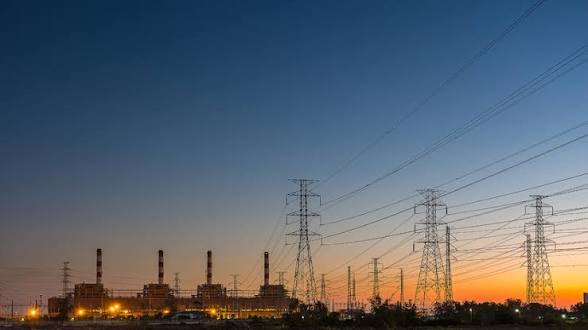
When one fails, customers connected to it can experience interruptions until the equipment is repaired or replaced.
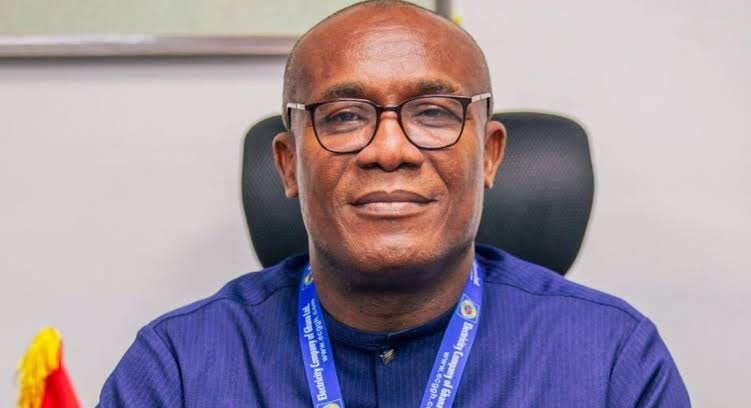
Tema Regional General Manager, Ing. Jonathan K. Adjabeng, attributed the supply challenges in the affected communities to faulty transformers, identifying technical problems and illegal connections among the factors responsible for the failures.
His explanation is significant because it points to two different dimensions of the reliability problem.
Technical faults require effective maintenance, equipment monitoring and timely replacement. Illegal connections, however, introduce a separate challenge involving network security, electricity losses and the management of consumer connections.
Replacing damaged equipment can restore supply, but it does not necessarily address the conditions that contributed to the failure.
Without action on those underlying problems, distribution companies risk repeatedly committing resources to emergency repairs instead of directing more attention towards preventive maintenance and network improvements.
Illegal Connections Add Pressure To Distribution Networks
Illegal electricity connections are particularly concerning because they can undermine the technical integrity of distribution infrastructure.
Unauthorised connections may bypass approved installation procedures, create unsafe wiring conditions and expose transformers and other network components to loads that have not been properly assessed. They can also increase the risk of faults, damage to equipment and safety incidents.
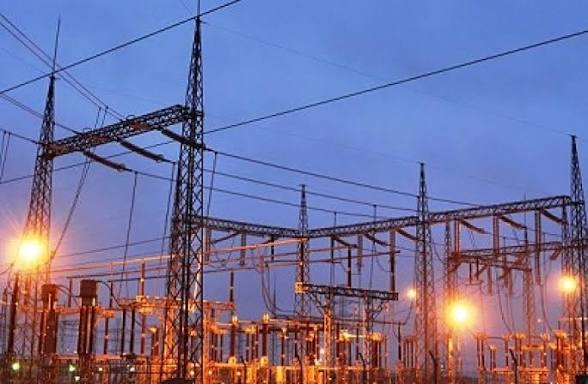
For ECG, the issue is not limited to recovering revenue from electricity consumed without authorisation. It is also about protecting the physical network and ensuring that equipment operates within its designed capacity.
The distinction matters because distribution reliability depends on more than the availability of electricity at generation and transmission levels.
Power must also pass through a network of substations, feeders, transformers and low-voltage connections before reaching consumers.
A failure at any point along that chain can interrupt supply, even when sufficient generation capacity is available.
This means that improvements in generation cannot automatically translate into better customer experience if weaknesses persist at the distribution end of the electricity value chain.
Replacement Must Be Matched By Preventive Maintenance
The Tema exercise demonstrates ECG’s ability to respond to equipment failures, but the longer-term test will be whether the company can reduce the frequency of similar disruptions.
Emergency replacement is necessary when transformers become faulty, yet a distribution system that relies heavily on reactive interventions can face recurring costs and prolonged customer interruptions.
A stronger preventive approach would require regular inspection of transformers, monitoring of loading conditions, early identification of deteriorating equipment and better assessment of demand growth in communities served by the network.
It would also require accurate records of equipment performance and failure patterns, allowing ECG to identify locations where repeated faults may indicate deeper network weaknesses.
Such information could help the company distinguish between isolated equipment defects and recurring problems associated with overloading, poor connections or inadequate network capacity.
The replacement of 14 units, therefore, should be viewed as one component of a wider reliability strategy rather than evidence that the underlying distribution challenges have been resolved.
Reliability Has Wider Economic Implications
The Tema Region’s importance makes the reliability question particularly relevant. The area supports industrial, commercial and residential activity, all of which depend on consistent electricity supply.
For businesses, interruptions can affect production schedules, operating costs and the use of backup power. Households also face disruption when electricity supply becomes unreliable.
Although the announcement does not quantify the number of customers affected or the economic cost of the outages, the replacement of faulty transformers highlights how local equipment failures can have consequences across communities.
It also reinforces the importance of distribution investment in Ghana’s wider energy-sector planning. Improving the performance of the electricity system requires attention not only to generation capacity and transmission infrastructure, but also to the final stage through which power reaches consumers.
ECG’s financial and operational constraints make this particularly important. Resources spent repeatedly replacing equipment are resources that could otherwise support network expansion, preventive maintenance and service improvements.
The company must therefore balance the immediate need to restore supply with investments that reduce the likelihood of future failures.
Adjabeng said the region remained committed to providing safe, reliable and quality electricity, while acknowledging that some challenges were beyond the company’s control.
“However, our commitment to our duty is sometimes hindered by issues beyond our control, yet our commitment to resolve issues and surmount challenges remains paramount to us,”
The statement reflects the operational difficulties facing distribution utilities, but it also points to the need for cooperation from consumers and other stakeholders.
Illegal connections, in particular, cannot be addressed through equipment replacement alone. Enforcement, public education and compliance with approved connection procedures must form part of the response.
Ultimately, the significance of the Tema exercise will be measured by whether customers experience more consistent electricity supply after the replacements.
The 14 transformers may address immediate faults, but lasting improvements will depend on ECG’s ability to identify recurring causes of failure, protect its infrastructure and shift more of its maintenance effort towards preventing breakdowns before they disrupt customers.
READ ALSO: GCB Bank Unveils GH¢5m Collateral-Free Loans for Ghanaian Businesses