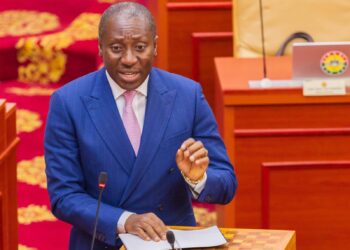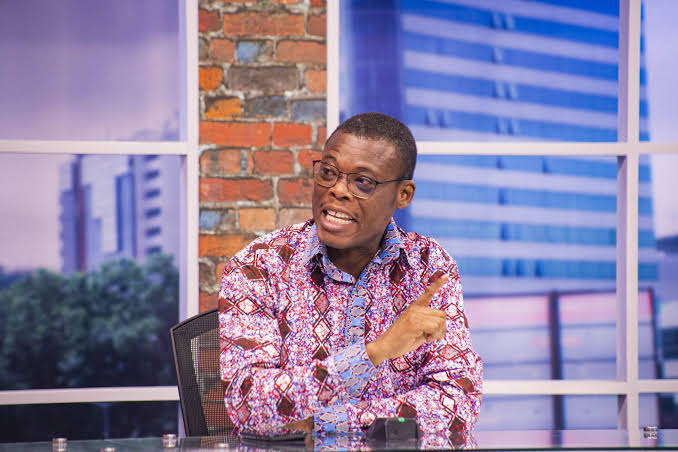
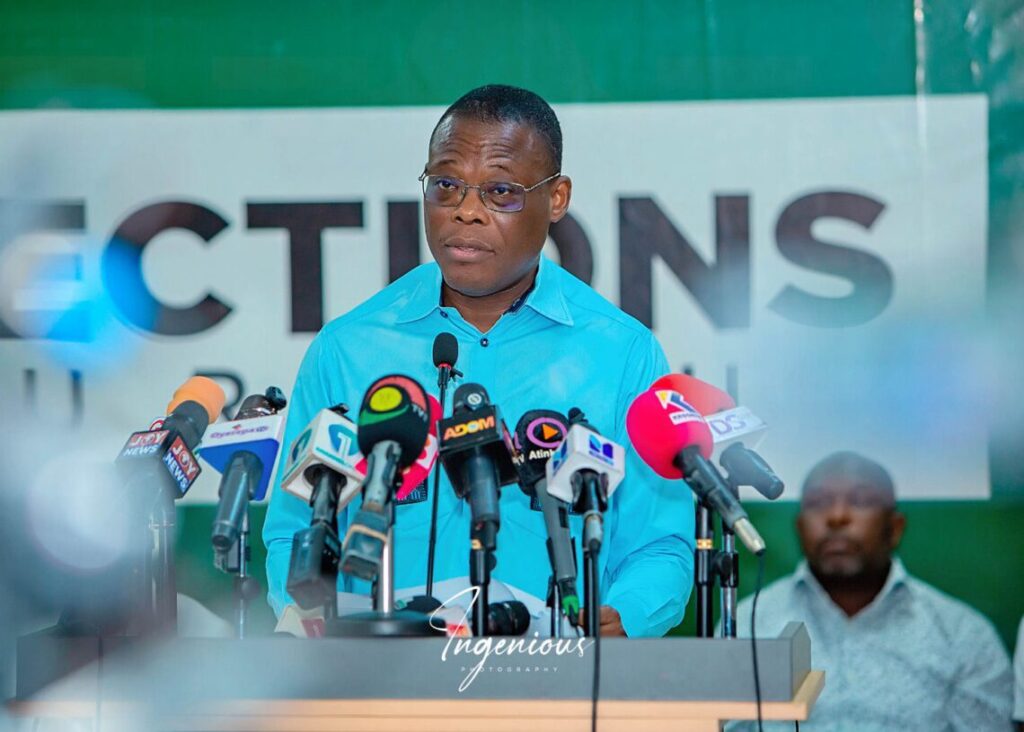
The General Secretary of the National Democratic Congress (NDC), Fiifi Fiavi Kwetey has attributed vote-buying during the party’s internal elections to a culture of transactional expectations and pressure from delegates demanding inducements from aspirants.
Mr Kwetey explained that the practice cannot be “eliminated through isolated sanctions” insisting that meaningful reform must address the structures that enable delegates to exert financial pressure on candidates.
The General Secretary acknowledged that allegations of inducements surfaced during the recent constituency elections, including instances in which delegates reportedly received televisions, mobile phones and other items from aspirants. However, he cautioned against treating individual media reports as conclusive evidence, arguing that the party requires a more comprehensive approach to investigating and addressing the practice.
“The real thing here is literally what we call, it’s almost like what you call blackmail. That’s really what goes on: blackmail, with delegates blackmailing candidates.”
Fiifi Fiavi Kwetey
Mr Kwetey identified the demand for gifts and financial assistance as a central difficulty confronting internal party elections, explaining that some aspirants feel “compelled to provide inducements because they fear losing support if they refuse.” He characterised the practice as a form of coercion, with delegates sometimes placing candidates under pressure to meet their expectations before offering their votes.
He further situated the problem within “a transactional culture” in which people have come to expect material offerings in certain social and institutional interactions. For him, the challenge exceeds electoral regulations and requires a cultural shift in attitudes towards political participation and personal responsibility.
Turning to possible reforms, the NDC General Secretary proposed expanding the delegate system to make it difficult for individuals to exert disproportionate influence over aspirants. He recalled participating in an expanded delegates arrangement during his parliamentary re-election campaign, explaining that the larger voting base prevented individual delegates from holding candidates to ransom.
Mr Kwetey indicated that similar arrangements could be considered for the party’s internal elections through constitutional amendments. He believes a substantially enlarged electorate would reduce the leverage of individual delegates and make the electoral process less vulnerable to financial demands.
Although he acknowledged that such structural changes could not be implemented overnight, he proposed consolidating reforms already introduced at the presidential and parliamentary levels as an interim measure. He also rejected the suggestion that candidates without substantial financial resources were necessarily destined to lose, insisting that delegates could still distinguish between aspirants based on their capacity to serve.
Addressing his own candidature in the December elections, Mr Kwetey expressed confidence that his record of service would earn him support without submitting to demands for personal inducements. “My work would speak for me,” he remarked, drawing a distinction between legitimate constituency support and payments demanded in exchange for votes.
NDC General Secretary Admits Party Misjudged Obuasi Headmaster Case
Following criticism over the NDC’s changing position on a headmaster facing allegations of sexual misconduct, the party’s General Secretary, Fiifi Fiavi Kwetey acknowledged that its initial assessment was made without access to crucial investigative material. He explained in an interview that the party’s decision to allow the individual to continue with his political ambition changed after an investigative documentary presented information that significantly altered its understanding of the case.
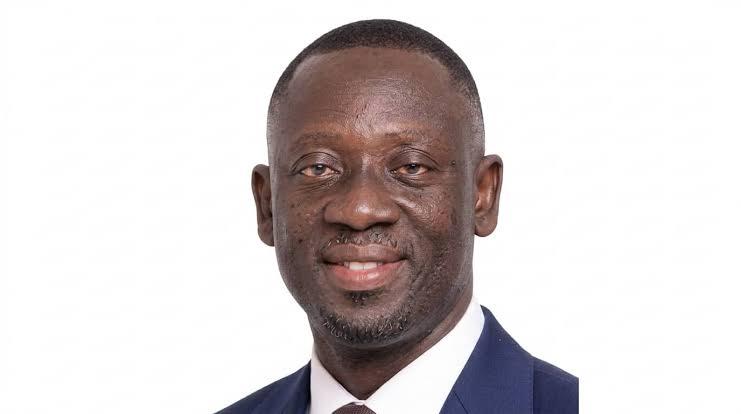
Mr Kwetey traced the sequence of events to the party’s initial position, communicated by Deputy Communications Officer Julius Anthony. However, after meeting the individual on November 19 and hearing his account, party officials encountered uncertainty over the evidence available to them and the status of an alleged Ghana Education Service clearance report.
“What I can tell you in hindsight is this: what we couldn’t do, which, in hindsight, should have been done, and I think it’s also because we were not privy to the fact that the Manasseh video was going to air that evening.”
Fiifi Fiavi Kwetey
The General Secretary explained that the party invited the headmaster to respond to the allegations before determining whether to enforce its original position. During the meeting, the individual presented a report which he claimed showed that the Ghana Education Service had cleared him, prompting the party to seek clarification from the Minister for Education.
According to Mr Kwetey, the minister informed the party that the matter was being examined and has been referred to the police for criminal investigation. However, he could not confirm the authenticity of the report presented by the headmaster, leaving the party uncertain about the appropriate course of action.
The NDC General Secretary also explained that previous experiences with allegations emerging close to elections influenced the party’s caution. He recalled instances in which accusations of a sexual nature was levelled against political figures, only for the party to later suspect that some allegations were orchestrated to undermine their electoral prospects.
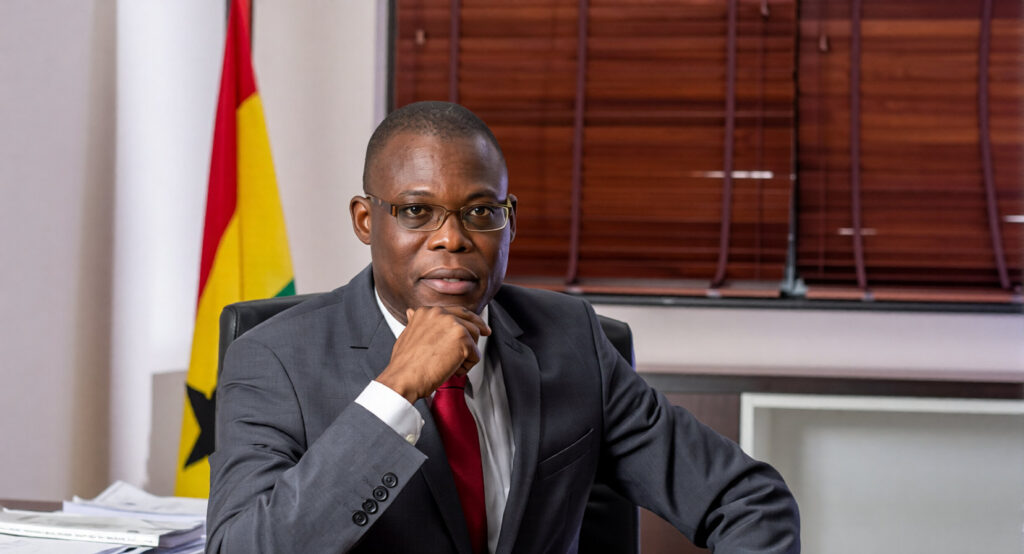
Nevertheless, the investigative documentary broadcast later that evening proved decisive in changing the party’s assessment. Mr Kwetey confirmed that he personally watched the footage and subsequently spoke with investigative journalist Manasseh Azure Awuni the following morning.
He acknowledged that the new information exposed weaknesses in the account presented during the party’s earlier meeting, prompting officials to reconsider their position and require the headmaster to withdraw from the contest.
Mr Kwetey conceded that the party should, in retrospect, have delayed its decision. He characterised the episode as an important lesson for the NDC, explaining that earlier access to the material would have enabled the leadership to reach a more informed decision from the outset.
READ ALSO: ECG’s Transformer Replacements Expose Deeper Reliability Challenge