The National Democratic Congress (NDC) has directed Obuasi Senior High Technical School headmaster, Mr Abdulai Zakaria, to withdraw his bid for the party’s Juaben chairmanship or face disqualification, as allegations of sexual misconduct involving students remain under investigation.
The party’s position is to separate its institutional stance from the actions of individuals who may have sought to protect the embattled headmaster.
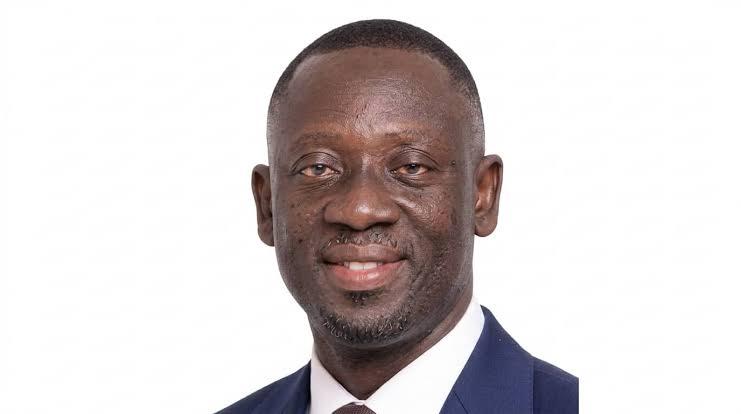
Outlining the party’s position, the Deputy National Communications Director, Julius Anthony, revealed that the NDC has formally communicated its directive to Mr Zakaria following the emergence of the allegations. He stressed that the party’s national, regional and constituency structures have taken no decision to shield the headmaster from accountability.
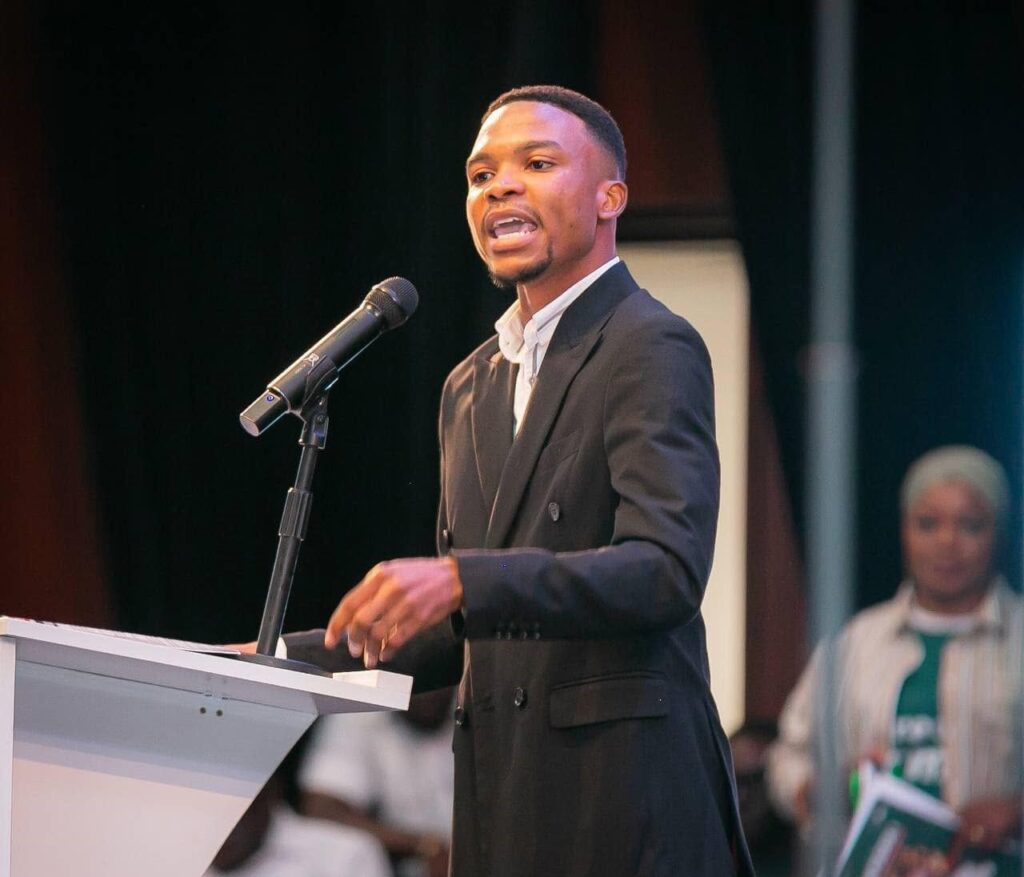
“Withdraw your attempts to contest for the chairmanship, or be disqualified. And our rationale is simple: this person is being currently investigated by law enforcement agencies, who essentially report to our government.”
Julius Anthony
Mr Anthony explained that allowing the matter to become “a partisan contest” could undermine the pursuit of justice for the affected students and their families.
Furthermore, the National Deputy Communications Director disputed suggestions that the alleged political affiliation of Mr Zakaria established the NDC’s involvement in any attempt to obstruct accountability. He invoked the principle that “correlation does not necessarily establish causation”, pointing to reports that some NDC members at the constituency level challenged the headmaster over the matter.
In addressing the gravity of the allegations, Mr Anthony emphasised that the circumstances require careful legal consideration, particularly because of the headmaster’s authority over students in his care. He cited provisions of the Criminal Code concerning consent and undue influence, while emphasising that the allegations must be handled through the appropriate investigative and judicial processes.
The NDC communicator also cautioned against reducing alleged sexual abuse in schools to a contest between the NDC and the New Patriotic Party (NPP). Referencing similar cases in an unnamed school in the Volta Region, he observed that alleged misconduct and institutional protection could occur across political boundaries.
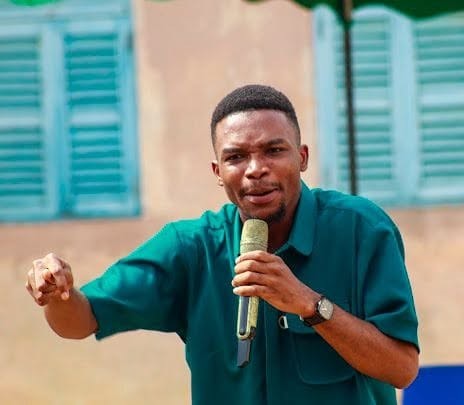
Moreover, Mr Anthony urged the public to consider the harm suffered by children and their families, arguing that partisan exchanges could distract from the central demand for justice. He maintained that the party’s directive to Mr Zakaria demonstrated its stated position on his attempted chairmanship bid, while the investigation should proceed independently.
Investigative Jouralist Accuses GES Of Failing Obuasi SHTS Victims
The handling of sexual misconduct allegations at Obuasi Senior High Technical School has placed the Ghana Education Service (GES) under scrutiny, with investigative journalist Manasseh Azure Awuni accusing the institution of failing students who sought help.
His account centres on alleged delays in reporting complaints, the handling of earlier reports and the absence of timely intervention as further allegations emerged.
Recounting his findings from the school and his conversations with education officials, Mr Azure elucidated how a senior housemistress was reportedly informed of an alleged rape on a Sunday but did not escalate the matter to the assistant headmaster responsible for domestic affairs until Tuesday evening. He explained that school meetings and other official engagements reportedly delayed the referral, despite the urgency of the allegation.
“The problem is actually at the doorstep of Ghana Education Service. I’m not saying some politicians in their individual capacities were not involved. For that, we cannot deny; it is a fact.”
Manasseh Azure Awuni
Beyond the incident reported at the school, the journalist referenced information from the municipal director of education, George Alfred Koomson, who reportedly confirmed that five girls approached him in March 2026 with allegations of sexual abuse involving the headmaster. Three of the students, according to Mr Azure’s account, submitted written reports, yet he questioned why the complaints did not prompt an effective investigation or referral to the police.
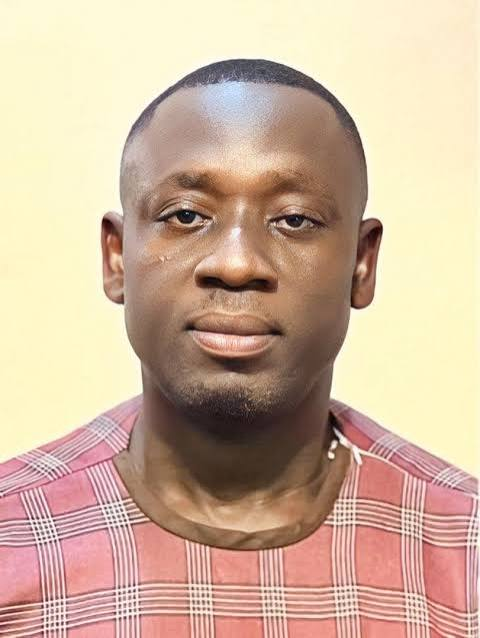
In addition, Mr Azure contrasted the handling of the allegations against the headmaster with the swift response to a separate incident involving violence at the school. He recounted that two teachers allegedly implicated in inciting the violence were arrested, detained and taken to court within 24 hours, whereas a committee examining the headmaster’s conduct reportedly recommended a transfer.
Directing attention to the Ministry of Education, the journalist distinguished its response from that of the GES, arguing that the ministry acted promptly once the matter reached the Education Minister, Honourable Haruna Iddrisu. He urged the public to compare the timing of the documentary’s trailer with the ministry’s subsequent letter, which he cited as evidence of the minister’s response after receiving the facts.
Meanwhile, Mr Azure described the circumstances in which the father of one alleged victim eventually took his daughter to the police after more than a week had passed. According to his account, the father told school authorities that she had a spiritual problem and wished to take her to a herbalist, a pretext that enabled him to remove her from the school and report the matter.
The journalist reasoned that delayed reporting can affect the preservation of evidence and the handling of sexual offence cases. He therefore cautioned that excessive politicisation could divert scrutiny from institutional failures and allow those responsible for neglecting complaints to evade accountability.