Member of the NDC Communications Team and Lawyer, Hamza Suhuyini has praised the Supreme Court’s delegate system ruling as a sign of judicial independence while raising questions about its ability to address monetisation in political party elections. He explained that although the decision demonstrates confidence in Ghana’s judicial system, its impact on electoral financing within parties requires further examination.
Mr Suhuyini stated that the judgement represents the kind of independent decision making expected from the country’s judiciary. He noted that unlike previous judicial decisions that attracted political criticism, the ruling on party elections received acceptance from various sides of the political divide.
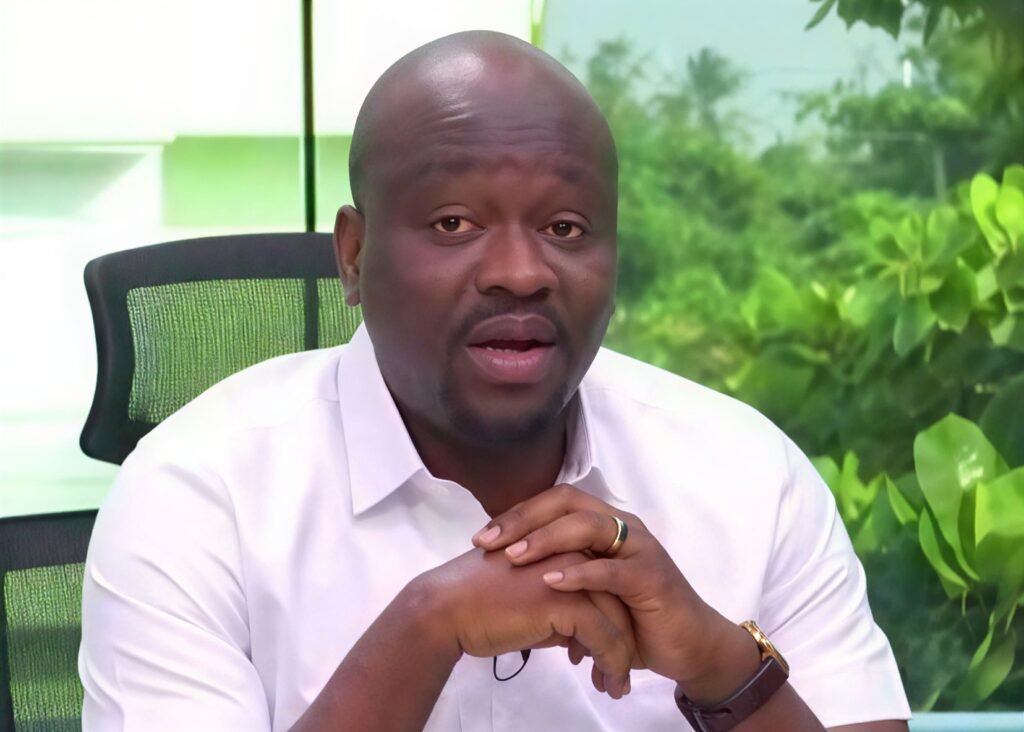
The NDC Communications Member acknowledged the efforts of the Chief Justice and members of the Supreme Court in strengthening public confidence in the judiciary. He suggested that such developments were important for improving trust in Ghana’s legal institutions.
However, Mr Suhuyini explained that he has reservations about whether the decision would achieve its intended objective of reducing money influence in internal party elections. He argued that expanding participation alone may not directly resolve the factors that encourage candidates to spend heavily during party contests.
Discussing previous experiences, the lawyer referred to the National Democratic Congress’ attempt to widen participation in its internal elections in 2015. He stated that the move created additional financial demands for parliamentary aspirants who previously focused their campaigns on a smaller group of delegates and party executives.
According to Mr Suhuyini, the expansion of the electoral base introduced new groups into the process and increased the number of engagements candidates had to undertake. He explained that aspirants had to interact with several sections of the party membership which required additional resources.
The NDC representative indicated that the central question was whether the Supreme Court’s directive would achieve the goal of reducing financial pressure in party elections. He argued that political reforms must be assessed based on their practical impact and not only their intended purpose.
Additionally, Mr Suhuyini stressed that addressing monetisation requires stronger reforms beyond changes to voting structures. He suggested that wider economic challenges affecting citizens must also be considered when examining why financial demands emerge during political contests.
Wider Voting System Requires Gradual Political Transition
The NDC Communications Team Member and Lawyer, Hamza Suhuyini has argued that political parties require adequate time and preparation to adjust to the Supreme Court’s decision on the delegate voting system. He explained that while wider participation within parties supports democratic inclusion, the practical demands of implementing the ruling require careful consideration.

Mr Suhuyini stated that political reforms must take into account the financial and organisational responsibilities placed on parties. He suggested that a gradual approach would allow political organisations to develop systems capable of managing expanded internal elections effectively.
Referencing Ghana’s democratic structure, the lawyer argued that delegate representation has existed within the principles of the 1992 Constitution. He pointed to the election of parliamentary leadership as an example where representatives are chosen through a delegated process.
“Political parties elect constituency and branch executives to represent them in decision making. Those people form the delegate core that elects party officers and candidates.”
Hamza Suhuyini
The NDC Communications Member explained that delegate systems within political parties were not necessarily inconsistent with constitutional principles. He noted that several democracies around the world have moved towards broader participation through internal reforms developed by political organisations themselves.
Mr Suhuyini cited the United Kingdom as an example where political parties have adopted different approaches to internal voting systems. He mentioned that the Labour Party and the Conservative Party expanded participation among members through internal decisions instead of court directives.
Addressing the one year period given to political parties to comply with the Supreme Court’s order, the lawyer argued that the timeframe was insufficient. He explained that parties must consider the political, financial and administrative implications of moving to a new electoral structure.
Furthermore, Mr Suhuyini stated that the National Democratic Congress supports efforts to increase participation among party members despite its reservations about the implementation process. He noted that inclusivity remains an important democratic objective that deserves recognition.
The lawyer also discussed the issue of financial demands from voters and party members during political contests. He argued that such practices are linked to wider dissatisfaction among citizens who expect visible improvements in their living conditions after elections.
According to Mr Suhuyini, politicians must accept responsibility for creating systems that have contributed to public expectations during electoral periods. He, however, explained that financial demands did not emerge solely because politicians offered incentives, but also because citizens developed certain expectations from repeated experiences with political leadership.
The NDC representative added that solving monetisation in politics requires stronger governance systems and improved social conditions for citizens. He stated that electoral reforms must work alongside measures that restore trust between political leaders and the electorate.
READ ALSO: Minerals Commission Honoured in Mining Local Content Forum in Tanzania