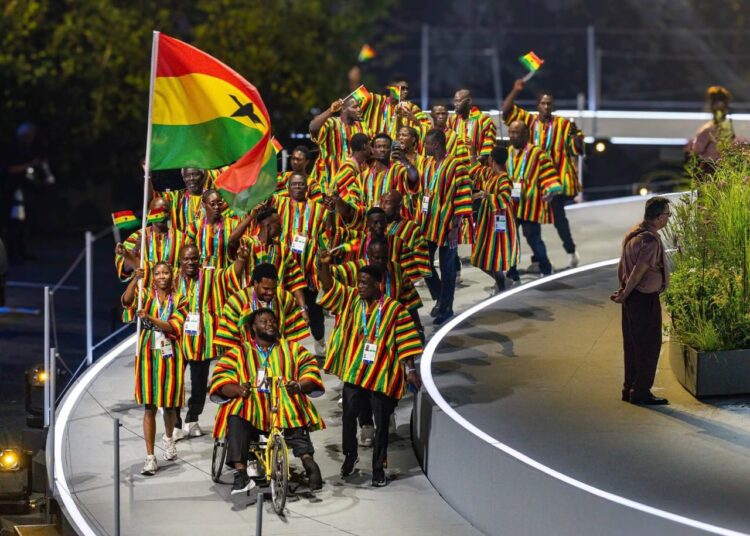
Ghana’s disappointing outing at the 2026 Commonwealth Games was not simply a story of missed medals. It was a reflection of deeper structural problems that continue to undermine the country’s sporting ambitions.
Despite possessing athletes with proven potential, Team Ghana returned from Glasgow with just two medals, a significant decline from the five won at the Birmingham 2022 Games.
The result has once again shifted attention from individual performances to the systems responsible for preparing Ghana’s athletes for elite competition.
While athletes continue to demonstrate resilience under difficult circumstances, the Games highlighted persistent shortcomings in funding, infrastructure, talent development and international exposure that must be addressed if Ghana is to compete consistently at the highest level.
Glasgow 2026 Highlights a Declining Medal Trend
Ghana secured only two medals in Glasgow, with Zinabu Issah claiming silver in the Women’s Para Shot Put F57 and Amadu Mohammed winning bronze in the men’s 55kg boxing event.
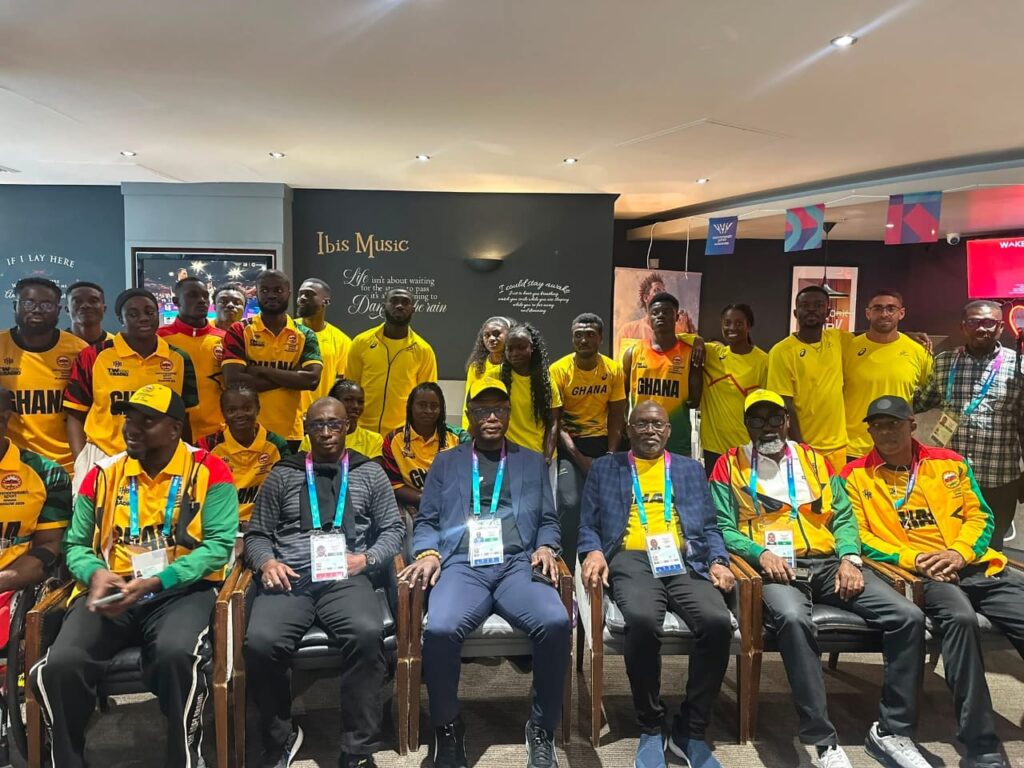
The haul represented a sharp drop from Birmingham 2022, where Team Ghana collected five medals comprising two silver and three bronze.
Perhaps most striking was boxing, traditionally Ghana’s strongest medal-winning sport. Ten Ghanaian boxers travelled to Glasgow, yet only Amadu Mohammed reached the podium.
Such a decline cannot simply be attributed to a shortage of talent. Instead, it raises important questions about how athletes are prepared, supported and developed throughout the four-year cycle leading to major international competitions.
Preparation Must Be Prioritised Over Promises
One of the recurring concerns within Ghanaian sport is the tendency to reward success after competitions rather than investing consistently in the years leading to them.
Funding for national federations often arrives late, if at all, leaving athletes to shoulder the burden of training, equipment and competition expenses. Yet expectations remain high when major events arrive, with promises of attractive medal bonuses replacing the long-term investment required to produce podium finishes.
The Ministry of Sports and Recreation promised a $10,000 reward for any athlete who wins gold in the build up to the Commonwealth Games in Glasgow. But was that the substitute for poor planning and investment in the athletes?
Four-time Paralympian Raphael Botsyo Nkegbe summed up the issue after competing in the men’s 1500m T54 final in Glasgow. “I’d prefer government invest $9,000 in my preparation and give me $1,000 if I win gold.”
His statement reflects the frustration of many elite Ghanaian athletes who believe success is built through sustained preparation rather than financial rewards offered after medals have been won.
For much of his career, Nkegbe has financed specialised racing equipment himself while often training without a personal coach. Meanwhile, many of his international competitors benefit from comprehensive support teams consisting of coaches, physiotherapists, nutritionists and sports scientists.
Without sustained investment between major Games, Ghana’s athletes continue to compete against better-prepared opponents despite possessing comparable natural ability.
Infrastructure and Equipment Continue to Hold Athletes Back
Financial challenges extend beyond athlete allowances to the quality of facilities and equipment available for training.
Across several sports, athletes continue to prepare using outdated or inadequate equipment that falls below international standards. In technical disciplines such as cycling and para-sports, modern competition equipment costs far beyond what most athletes can afford individually.
The consequences are significant. Athletes unable to train on world-class equipment enter international competitions lacking the familiarity and confidence enjoyed by rivals who have spent years preparing under optimal conditions.
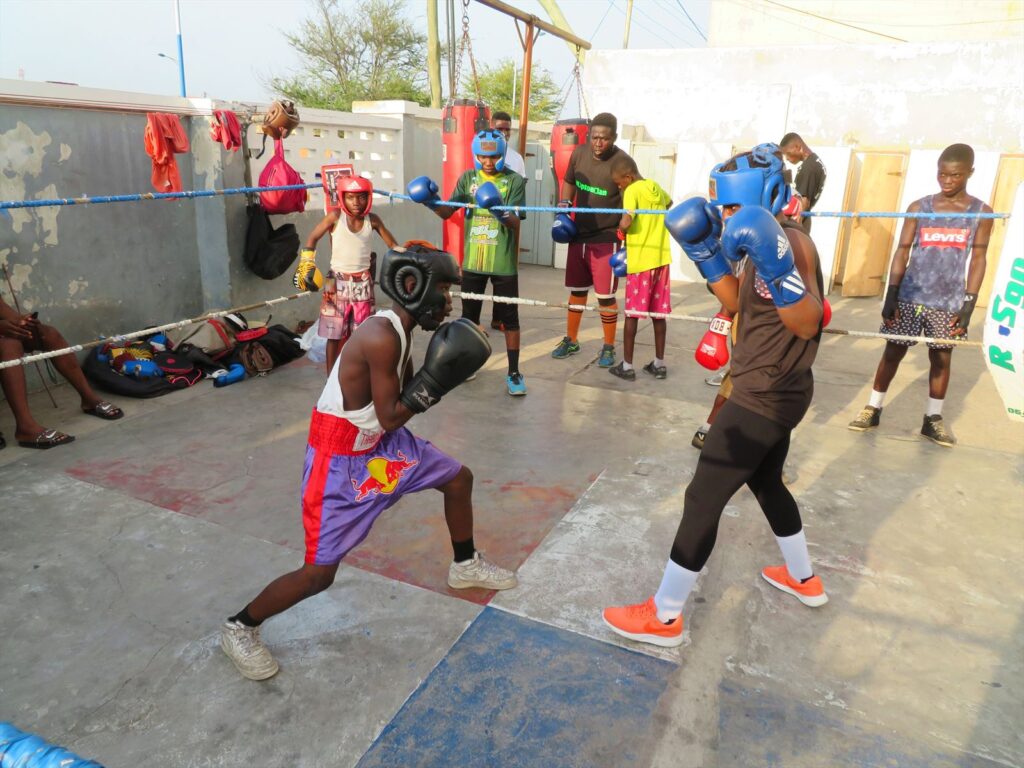
The situation was equally evident within Ghana’s boxing team.
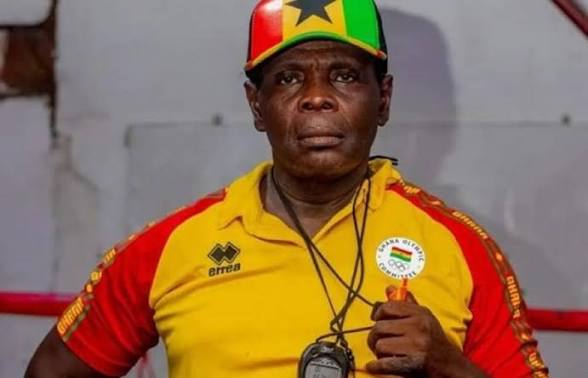
National boxing coach Ofori Asare revealed after the Games that some boxers shared competition kit during the tournament, with three athletes reportedly using a single pair of boxing shorts while others trained in borrowed equipment.
Such circumstances illustrate how inadequate logistical support continues to undermine Ghana’s medal prospects before competition even begins.
Despite being Ghana’s only three-star AIBA-rated coaching instructor and one of the few at that level in West Africa, Asare works within a system that lacks sufficient technical support, sports science expertise, quality sparring opportunities and consistent investment.
A world-class coach alone cannot consistently produce world-class results without a strong structure around him.
Grassroots Development and International Exposure Must Improve
The Glasgow Games also reinforced longstanding concerns about talent identification and athlete development across the country.
Many national federations still lack regular nationwide competitions capable of discovering athletes outside Ghana’s traditional sporting centres. As a result, promising talents in several regions remain unnoticed simply because structured scouting systems do not exist.
Independent initiatives have occasionally filled that gap. Competitions organised by dedicated individuals have previously uncovered athletes who later represented Ghana internationally, including Paralympic silver medallist Zinabu Issah.
However, relying on isolated efforts rather than a coordinated national programme means countless talented athletes may never receive the opportunity to develop.
Exposure presents another major obstacle.
Many Ghanaian athletes spend entire preparation cycles competing only against familiar domestic opponents. While this builds local experience, it offers limited preparation for the different styles, tactics and competitive intensity encountered on the international stage.
Coach Ofori Asare acknowledged this reality after Glasgow, pointing out that one Ghanaian boxer lost to an opponent whose experience included three Commonwealth Games and multiple Olympic appearances.
That level of experience cannot be replicated through domestic competition alone. It requires sustained participation in international tournaments, overseas training camps and regular competition against elite opponents.
Recognising this need, Ghana Boxing Federation President Dauda Fuseini has called for increased investment in youth development and international exposure ahead of the 2027 African Games and qualification campaigns for the Los Angeles 2028 Olympic Games.
The challenge now lies in translating those ambitions into sustained financial commitment.
Glasgow 2026 delivered a difficult but important lesson. Ghana’s shortage is not talent but the systems required to transform that talent into consistent international success.
Investment in athlete preparation, modern equipment, coaching structures, grassroots development and international exposure cannot be treated as optional if Ghana intends to reverse its declining fortunes.
Until these foundations are strengthened, medal targets will remain aspirations rather than realistic expectations, and talented athletes will continue giving everything to a system that has yet to give them the support they deserve.
READ ALSO: Mahama Marks Jamaica’s 64th Independence with Historic Parliament Address