The General Secretary of Ghana of The Ghana Association of University Administrators (GAUA), Mr Charles Kojo Aidoo, has argued that persistent disparities in compensation have pushed university administrators to demand a fairer salary structure. He explained that administrators occupy critical positions within public universities yet their remuneration has fallen behind that of some teaching staff.
Mr Aidoo pointed to market premiums as a major source of the disparity between teaching and non teaching staff. He noted that an assistant lecturer receives a market premium of about GH¢7,400 while the Registrar and Director of Finance of a university receive approximately GH¢6,000 each.

The General Secretary described the situation as difficult to justify within a university system where senior administrators carry substantial institutional responsibilities. According to him, the imbalance has become particularly striking because an assistant lecturer can enter the system on a premium that exceeds the remuneration attached to several senior management positions.
“An assistant lecturer who has just been employed is getting much more market premium than the Registrar and Director of Finance of the university.”
Mr Charles Kojo Aidoo
Mr Aidoo explained that GAUA accepted an established equivalence arrangement during the 2012 job evaluation exercise. At the time, the association received a market premium of 120 percent before employers proposed an equivalence of 114 percent to preserve industrial harmony across universities.
Referencing the earlier arrangement, he noted that GAUA accepted the 114 percent level because members believed it would provide a fair basis for compensation across the university structure. The association now argues that developments in remuneration have created a substantial gap that requires fresh negotiations.
The disparity, he added, extends beyond individual salaries to the wider recognition of professional roles within public universities. GAUA represents professionals including lawyers, doctors, engineers, accountants, planners, auditors, architects, procurement specialists, human resource specialists and senior administrators.
From his view, the issue therefore involves the value attached to the different responsibilities required to keep universities functioning. He emphasised that administrators form an essential part of the institutional structure and deserve compensation that reflects their responsibilities and expertise.

The General Secretary also distinguished GAUA’s position from the negotiations undertaken by the University Teachers Association of Ghana. He explained that UTAG secured an improved market premium through its negotiations while administrators continue to seek similar attention to their remuneration.
For the association, the growing difference has created an urgent need to review salary arrangements across the university system. Mr Aidoo warned that allowing the disparity to continue could deepen dissatisfaction among professionals responsible for key administrative functions.
Administrators Begin University Strike Over Unresolved Pay Disparities
The ongoing dispute has now moved beyond negotiations as GAUA begins a nationwide withdrawal of services across Ghana’s 15 public universities. Mr Aidoo explained that the action affects professional services performed by members and places the association’s outstanding demands at the centre of the industrial dispute.
The General Secretary outlined several issues that informed the decision to withdraw services. These include the prolonged market premium gap, delayed implementation of agreed allowances and changes to salary levels affecting some senior administrators.
He explained that GAUA has sought an increase in its market premium since 2012. Meanwhile, other unions within the public sector and some university based groups have secured adjustments to their market premiums.
A separate dispute involves an agreement on allowances that the association expected to take effect in April. Mr Aidoo indicated that although approval was secured for a 40 percent increase in some allowances, government placed the implementation date in July.
The association considers the change in the effective date a departure from the understanding reached during negotiations. The General Secretary argued that such decisions require proper engagement with the affected union before implementation.
Another issue centres on the relationship between entry level teaching positions and senior administrative positions. Mr Aidoo explained that an assistant lecturer without previous teaching experience can receive a market premium exceeding that of several senior university directors.
The comparison extends to positions such as the Director of Finance, Director of Procurement, Director of Works, Director of Human Resources and Director of Health Services. For GAUA, the structure creates a serious imbalance in how professional responsibilities are valued within public universities.
The association is also challenging proposed changes to salary levels for some of its members. Mr Aidoo explained that the Ghana Tertiary Education Commission has directed universities to adjust some officials from level 24H to 24L and others from 23L to 22H.
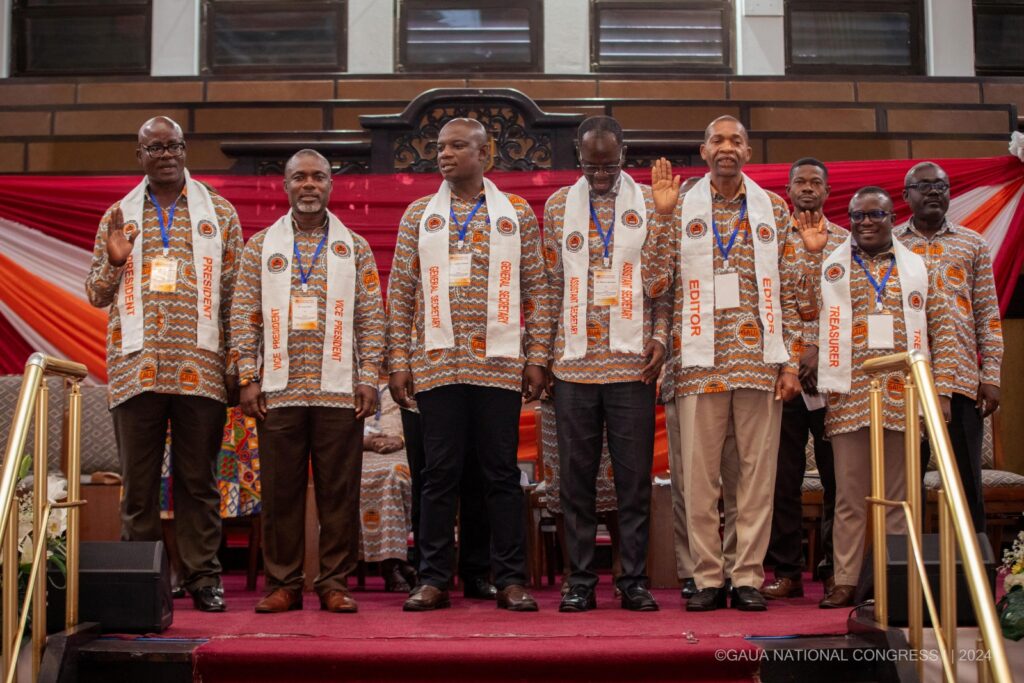
He argued that the proposed adjustments could affect the standing of professionals who occupy senior positions within the university system. The association therefore wants the matter addressed through proper consultation and an assessment of the responsibilities attached to the affected positions.
The withdrawal of services covers administrative and professional activities performed by GAUA members. Mr Aidoo explained that payments, meetings and other official duties involving members have been suspended as part of the industrial action.
The decision marks a significant development for an association that traditionally avoids prolonged industrial action. He explained that the leadership reached the point where members felt compelled to make their position visible after years of seeking changes through negotiations.
“GAUA hardly goes on strike, but we believe that this is the time for us to make our voice heard.”
Mr Charles Kojo Aidoo
The association’s position now places compensation, salary grading and implementation of negotiated agreements at the centre of discussions with government. With the strike affecting all 15 public universities, the outcome of the negotiations is expected to determine how the parties address the outstanding remuneration issues.
For university administrators, the dispute extends beyond individual financial benefits to questions about professional recognition within Ghana’s higher education system. The association is calling for arrangements that acknowledge the responsibilities carried by its members while ensuring consistency across the university workforce.
READ ALSO: Tourism Ministry Rolls Out Sweeping Reforms in Training And Language