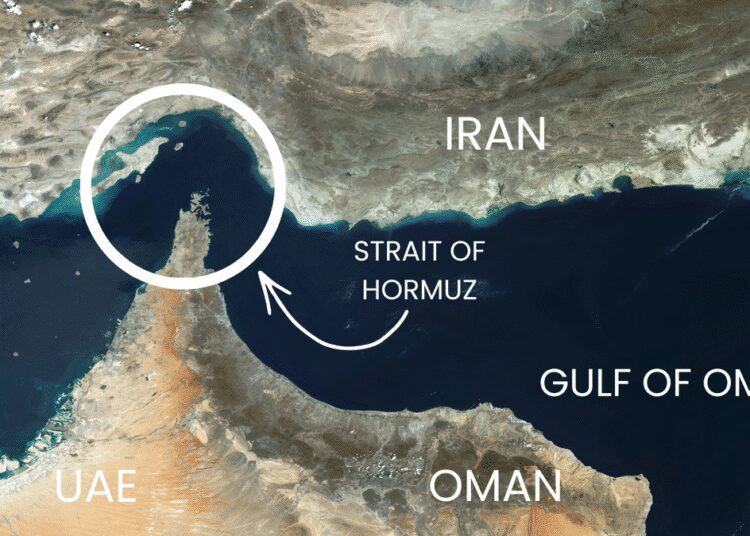
Iran’s military has rejected U.S President Donald Trump’s claim that Washington has “total control” over the Strait of Hormuz, insisting that the strategic waterway remains under the control and supervision of Iranian forces.
A Spokesman for Iran’s Khatam al-Anbiya Central Headquarters said that no commercial vessel or oil tanker could safely pass through the strait without permission from the Islamic Republic’s armed forces. “The Strait of Hormuz, as in the past, remains under the full management and control of the Islamic Republic of Iran,” the Spokesman said, according to Iranian state media. He added, “No commercial vessel or oil tanker can or will have safe passage through the Strait without the permission and supervision of Iran’s powerful Armed Forces.”
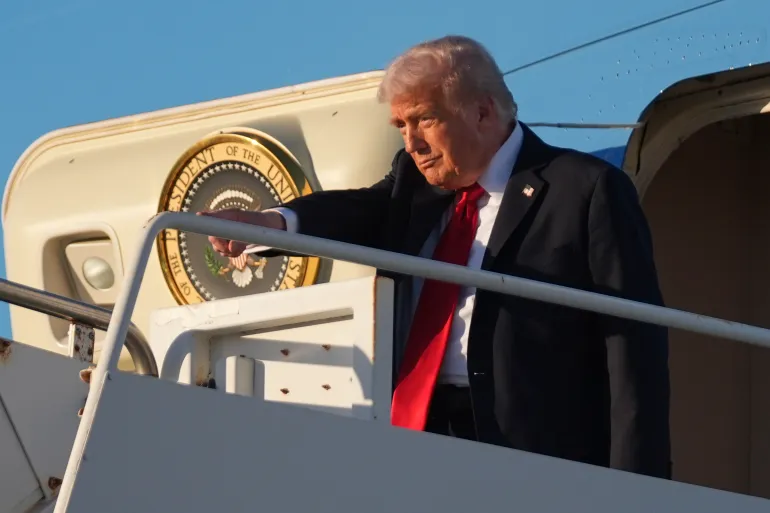
The statement came in response to Trump’s assertion that the United States had established control over the important shipping route. In a post on Truth Social on Wednesday, Trump said that Washington had “total control over the Strait of Hormuz” and suggested that the United States intended to maintain that position. “I THINK WE WILL KEEP IT!” Trump wrote. He also described the US naval blockade as a “WALL OF STEEL”, arguing that Iran had no ability to challenge it.
Iranian officials have strongly disputed that assessment, instead portraying the waterway as remaining under Tehran’s authority. Ebrahim Zolfaghari, Spokesperson for Iran’s central military command, dismissed US claims that vessels were moving normally through the strait. “The false claims of the United States that ships are passing through the Strait of Hormuz normally…are nothing more than lies and fabrications,” Zolfaghari said in a video carried by Iranian state television.
He repeated that the waterway remained under the “complete management and control” of Iran and said commercial ships and tankers would require the permission and supervision of the Iranian armed forces to pass safely.
Hossein Taeb, Commander of Iran’s Basij paramilitary force, also said that the waterway remained under Tehran’s control. “Today, you see that the Strait of Hormuz is under the management and control of the Islamic republic, and our country continues on its path in complete security,” Taeb said, according to state television.
Iranian parliamentarian Behnam Saeedi, a member of the parliamentary national security commission, said that US and Israeli vessels would be denied access. “Ships belonging to the Zionist regime will not have the right to pass through the Strait of Hormuz under any circumstances, whether in war or peacetime,” Saeedi said in comments carried by state television. He added that US military vessels would also be prevented from passing through the waterway.
Conflicting Claims Assert Dispute Over Hormuz Control
The conflicting claims emphasizes the continuing dispute over access to the strait, one of the world’s most important energy shipping routes. Iran has maintained control over access to the waterway since the war began on February 28, requiring vessels to obtain permission and pay transit fees before using the passage, according to Iranian officials.
The disagreement over the waterway also comes amid competing claims about the movement of commercial shipping. Washington has maintained that its naval presence gives it significant control over the area, while Tehran insists that ships remain subject to Iranian approval.
The dispute comes as Iran and Oman continue discussions over arrangements that could establish a new mechanism for shipping through the strait. Iranian Foreign Ministry Spokesman, Esmaeil Baghaei said earlier this month that Tehran and Muscat were preparing a joint statement covering technical, legal, security and environmental aspects of the proposed arrangement.The negotiations have yet to produce a final agreement.

Iranian officials have also linked any reopening of the waterway to the lifting of the US naval blockade of Iranian ports, along with other conditions. Iranian Foreign Minister Abbas Araghchi has meanwhile accused Washington of making miscalculations during the conflict because of intelligence failures. He warned that the United States could make an even “bigger miscalculation” over the Strait of Hormuz.
For international energy markets, the dispute remains significant because the Strait of Hormuz is a critical route for global oil and gas shipments. Any prolonged restrictions on commercial traffic could affect energy supplies and shipping costs.
For now, negotiations between Iran and Oman offer a possible avenue for establishing arrangements governing maritime traffic. However, the talks remain unresolved, while Tehran continues to insist that access to the waterway depends on conditions set by Iran.
The competing statements from Washington and Tehran therefore leave the status of commercial navigation through Hormuz contested, with both sides presenting sharply different accounts of who controls access to the strategic waterway.
READ ALSO: Romania Shuts Second Nuclear Reactor As Danube Levels Plunge