Shatta Wale has once again reminded fans why he remains one of Africa’s most prolific and polarizing music figures.
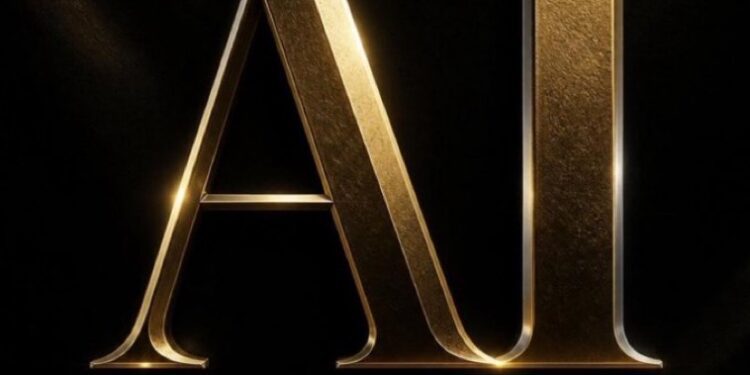
“AI” first surfaced in late July 2026 as a direct response to widespread online claims that Shatta Wale had heavily relied on artificial intelligence to create his then-new album African King. Released on July 17, the 21-track project featured no guest appearances and blended African dancehall, Afrobeats, and contemporary production.
Critics and some listeners pointed to AI-generated elements, including an AI choir on at least one song, as evidence that the album was not fully organic.
Shatta Wale pushed back firmly. In studio comments and the track itself, he challenged detractors: if creating music with AI is so easy, they should try it themselves and match his consistent output. He positioned AI as a tool rather than a replacement for his creativity and long-standing work ethic.
Gospel artist Perez Musik publicly supported this approach, describing AI as a useful resource for demos, melodies, and idea organization while insisting it should never erase an artist’s personality. Perez specifically praised how Shatta Wale integrated the technology on African King, noting that the dancehall star’s distinctive voice and energy still came through clearly.
Other Ghanaian artists have offered mixed views, with some acknowledging limited AI use for production tasks but rejecting it for full songwriting.
The debate reflects a broader conversation across the African music industry as AI tools become more accessible.
The August availability of “AI” on platforms such as Spotify appears to keep the conversation alive. Streaming links circulated quickly after the announcement, alongside promotional images. The track runs just over two minutes and carries the defiant tone that has defined much of Shatta Wale’s recent work.
Fans who defended him during the initial backlash have treated the single as proof of resilience, while skeptics continue to question the balance between technology and traditional craftsmanship.
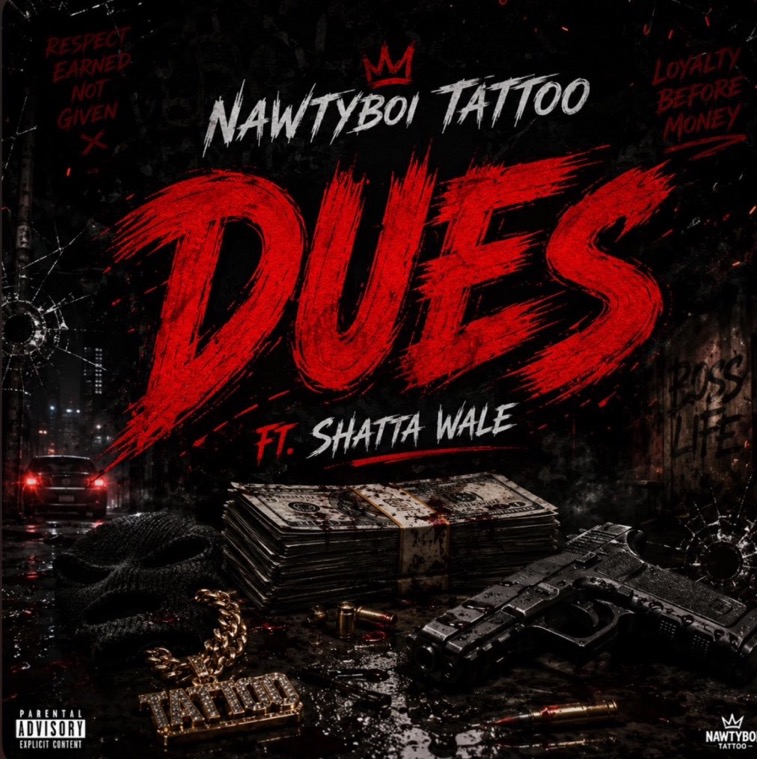
Alongside “AI,” the collaboration “Dues” featuring Nawtyboi Tattoo marks another chapter in a productive working relationship. Nawtyboi has produced or co-produced multiple Shatta Wale tracks in recent years, including songs that sit firmly in the “Shatta Music” style the artist has cultivated.
“Dues,” listed with a roughly three-and-a-half-minute runtime, became available around early August and was highlighted in the same promotional posts as “AI.” Apple Music and other services list it as a Nawtyboi lead track with Shatta Wale’s feature.
The pairing fits a pattern of frequent studio partnerships that have helped shape Shatta Wale’s sound through the mid-2020s.
These releases arrive at a busy moment for the artist. In the weeks leading up to the announcements, Shatta Wale had been dealing with the fallout from the cancelled ShattaFest UK event in London, which was disrupted by a crowd surge linked to a small fire near the entrance and left more than 20 people injured. He later described the cancellation in spiritual terms, saying God had intended only for him to appear rather than fully perform.
He also used livestreams to address internal team issues and to compose new material on the spot, moves that supporters cited as further evidence against pure-AI accusations. Concurrently, older tracks such as “On God” continued to set streaming milestones, becoming the first song by a Ghanaian dancehall artist to surpass one million Shazam counts.
Shatta Wale’s career has long mixed high-output music releases with public controversy and strong fan loyalty. Born Charles Nii Armah Mensah, he built the Shatta Movement into a cultural force that extends beyond Ghana into the wider African diaspora and Caribbean dancehall circuits.
Albums and singles under the Shatta Music banner have emphasized themes of self-belief, resilience, and spiritual conviction , ideas captured in slogans such as “God Is Here.” The African King project and its related singles continue that thread while testing how new production technologies fit into an established artist’s identity.
Public Reaction
Industry observers note that the dual release of “AI” and “Dues” keeps Shatta Wale visible during a period of both creative momentum and external scrutiny. Streaming numbers for African King had already shown strong organic engagement, with reports of millions of plays on platforms like Audiomack within weeks of release.
The new tracks give casual listeners easy entry points and give dedicated fans additional material to analyze and share.

Ghanaian musical artist
What is clear is that Shatta Wale shows no sign of slowing his release schedule. Nawtyboi’s involvement on “Dues” further underscores the collaborative network that supports his output. As both songs circulate on Spotify, Apple Music, and other services, they add to an already dense 2026 catalog and keep the African Dancehall King at the center of Ghana’s entertainment conversation.
Listeners can find “AI” by Shatta Wale and “Dues” by Nawtyboi featuring Shatta Wale on major streaming platforms now. The releases arrive as the artist continues to navigate praise, criticism, and the evolving tools of modern music production.
READ ALSO:No Ban On Voxy Vehicles Yet, Road Safety Director-General Clarifies