The Ghana National Petroleum Corporation (GNPC) has used its 40th anniversary to signal a decisive shift from survival and stabilisation toward a new phase of growth centred on gas commercialisation, exploration, reserve replacement and stronger Ghanaian control over upstream petroleum development.
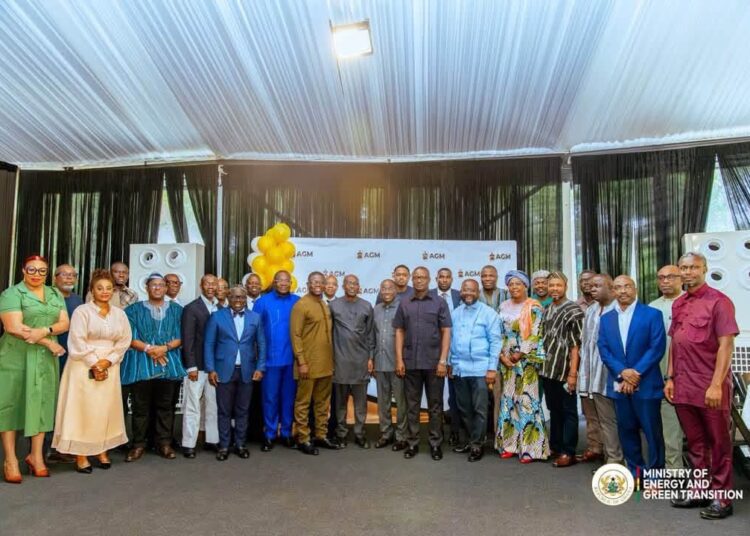
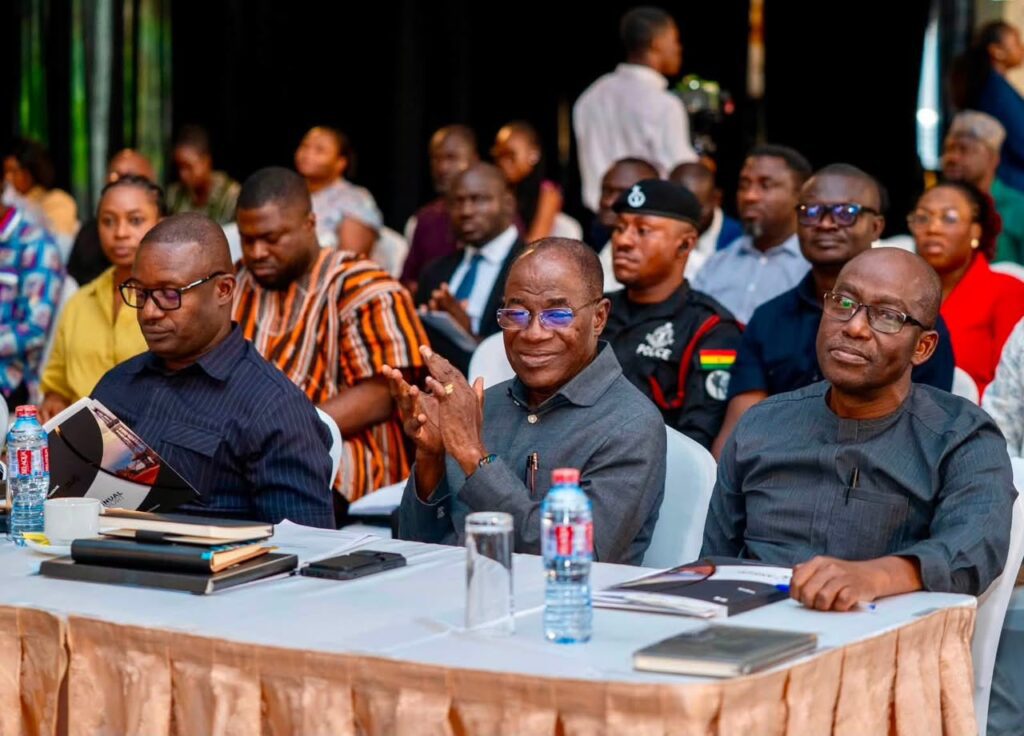
The direction was outlined at the corporation’s 3rd Annual General Meeting in Accra, where GNPC reviewed its 2025 performance and presented priorities for the years ahead under the theme “40 Years of Resilience.”
The message from the meeting was that resilience alone is no longer enough for Ghana’s petroleum sector.
The challenge now is to restore production momentum while preparing for a future in which gas and new discoveries play a larger role in the national energy economy.
Government welcomes these achievements, but our focus must now shift from resilience to renewal, growth, and long-term sustainability.
Energy and Green Transition Minister Dr. John Abdulai Jinapor.
A 40-year milestone with a different tone
Anniversary events are often retrospective. This one was notably forward-looking.
GNPC Board Chairman Prof. Joseph Oteng-Adjei described the corporation’s evolution from an institution that helped establish Ghana’s petroleum industry into a strategic national energy company with growing ambitions in operatorship and resource development.
Each phase of this journey has been characterised by resilience, adaptability, and an unwavering commitment to creating lasting value for Ghana.
GNPC Board Chairman Prof. Joseph Oteng-Adjei
He said the board is now concentrating on production recovery, gas commercialisation, upstream investment attraction and continued exploration in the Voltaian Basin, which remains Ghana’s most significant onshore frontier.
The production decline remains the shadow over the sector
The meeting took place against an uncomfortable backdrop: Ghana recorded its fifth consecutive year of declining crude oil production in 2025.
That statistic is perhaps the most important number in the entire story.
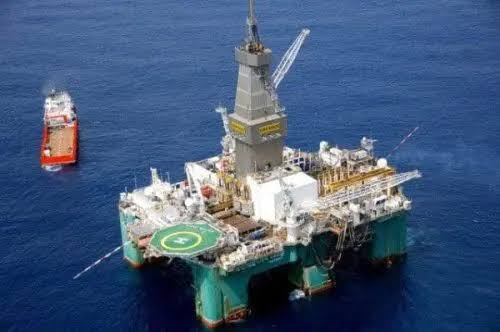
It means the country is no longer dealing with a temporary operational setback but with a sustained decline that affects export earnings, petroleum revenue, foreign-exchange inflows and the long-term economics of upstream infrastructure.
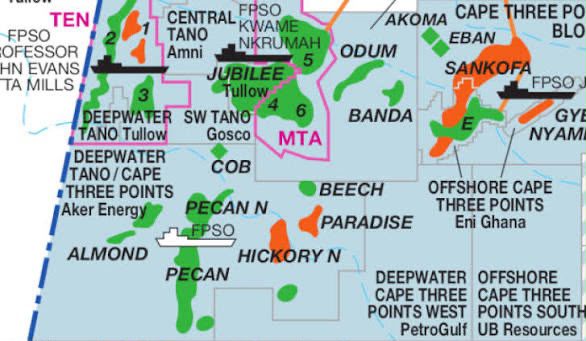
GNPC said it worked with operating partners on targeted interventions across the Jubilee, TEN and Sankofa Gye Nyame fields to stabilise performance.
Average daily crude oil production from the three producing fields stood at 102,199 barrels per day in 2025.
Chief Executive Kwame Ntow Amoah said the corporation responded to the difficult operating environment with tighter execution and a stronger focus on the immediate pressures facing the sector.
GNPC responded with disciplined execution, stronger focus, and targeted interventions to stabilise production, deepen gas commercialisation, advance exploration, and strengthen operatorship capability.
Chief Executive Kwame Ntow Amoah
Gas is becoming the financial engine
While oil decline dominated the strategic discussion, the financial story increasingly belongs to gas.
GNPC reported that gas revenue reached US$952.38 million, accounting for 65.6 percent of standalone revenue.
That is a profound structural shift.
For years, Ghana’s upstream narrative was overwhelmingly about crude oil.
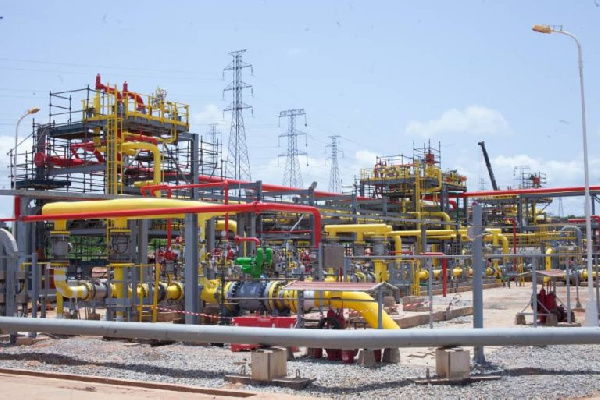
The latest figures suggest that gas is becoming the more important commercial pillar of GNPC’s business model.
Domestic gas exports averaged 336 million standard cubic feet per day, exceeding the annual target of 325 MMscf/d.
The implication is that gas is no longer merely a by-product of oil production; it is emerging as a central contributor to power generation, industrial activity and GNPC’s financial resilience.
New discoveries begin to matter
The meeting also pointed to progress in expanding Ghana’s future resource base.
The Eban-Akoma discoveries achieved a declaration of commerciality, while preparations are continuing for an exploration well in the Voltaian Basin in the fourth quarter of 2026.
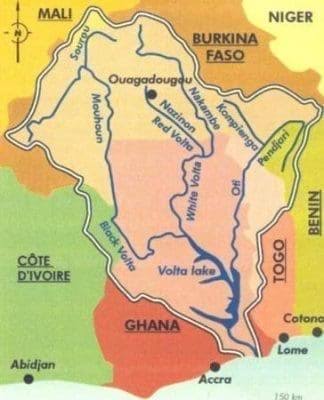
GNPC is also pursuing a cluster-based development strategy designed to bring smaller and infrastructure-constrained resources into production.
This approach is significant because it recognises that future value may come not only from giant discoveries, but from integrating multiple smaller accumulations around existing infrastructure.
US$3.5 billion changes the investment conversation
One of the most consequential announcements was the extension of three petroleum agreements covering Deepwater Tano, West Cape Three Points and Offshore Cape Three Points.
According to GNPC, the extensions are expected to unlock US$3.5 billion in investment over the next three years.
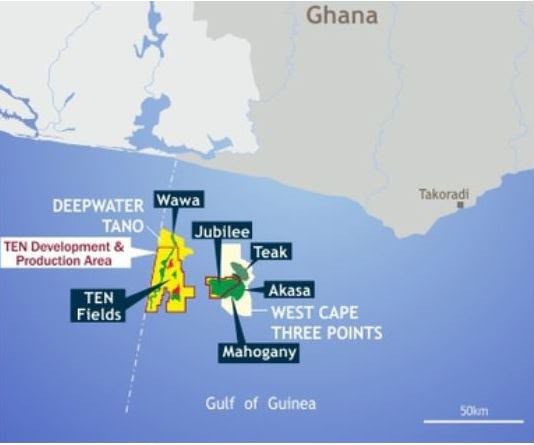
If realised, that would represent one of the largest recent investment commitments in Ghana’s upstream sector.
The importance is not only the headline number, but what it signals about investor confidence in existing offshore assets despite the production challenges.
Operatorship moves from aspiration to strategy
Dr. Jinapor used the AGM to reinforce government’s support for strengthening GNPC’s operatorship capability.
Ghana cannot indefinitely depend on international operators for all aspects of upstream development while seeking to maximise national value from its petroleum resources.
Energy and Green Transition Minister Dr. John Abdulai Jinapor.
This is a notable policy signal.
Ghana is not calling for the exclusion of international oil companies. Rather, it is pushing for a gradual increase in Ghanaian technical, managerial and operational participation.
The challenge will be ensuring that operatorship ambitions are matched by the necessary financing, technology, reservoir-management expertise and project-execution capability.
The reserve replacement warning
The Minister also delivered perhaps the clearest statement of the sector’s long-term challenge.
Every barrel produced must increasingly be replenished through the addition of new reserves.
Energy and Green Transition Minister Dr. John Abdulai Jinapor.
He identified opportunities including Pecan, Eban-Akoma, Afina, Pecan North, Almond and Beech, while urging technically disciplined exploration in frontier areas such as the Voltaian Basin.
This shifts the debate from production maintenance to reserve replacement, which is the real measure of long-term sustainability in an upstream petroleum sector.
More than a petroleum company
GNPC also highlighted its wider social and governance agenda.
The corporation said it invested US$6.57 million in corporate social investment programmes covering education, healthcare, skills development, community infrastructure and economic empowerment, while continuing to strengthen its ESG framework and reporting practices.
These programmes do not determine the commercial success of the upstream sector, but they influence the social legitimacy of petroleum development.
The deeper meaning of the 40-year message
The AGM revealed a sector trying to manage two realities at once.
The first is the reality of maturing offshore fields and declining crude production.
The second is the possibility of a new growth phase built around gas, new discoveries, infrastructure-led development and stronger Ghanaian participation.
The strongest signal from the meeting is that GNPC no longer appears to see its future as simply protecting existing production.

It is trying to reposition itself as a company that can restore growth, commercialise gas at scale, develop new resources and gradually expand its operatorship role.
Whether that ambition is achieved will depend on execution, investment and the success of exploration efforts over the next few years.
But the 40-year anniversary has made one thing clear: Ghana’s upstream debate is moving beyond resilience.
The next chapter is being defined by the harder question of whether the country can convert stabilisation into sustained growth and greater national value from its petroleum resources.
READ ALSO: Fitch Tips Stanbic, Absa, FNB to Escape Major Iran War Financial Risks