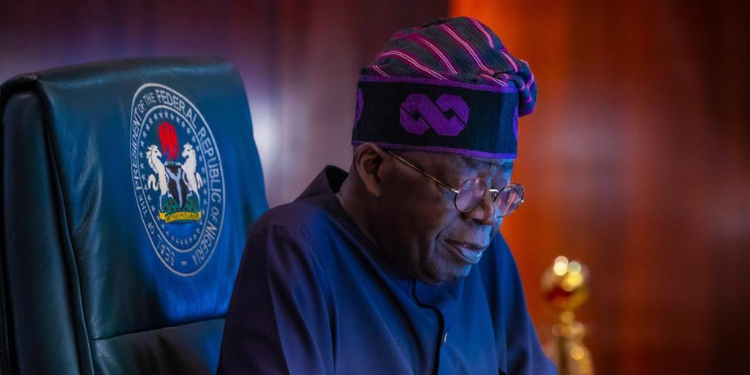
Nigeria’s President Bola Tinubu is entering the 2027 election campaign facing a question that could define his bid for a second term: after more than a decade of All Progressives Congress (APC) rule, are Nigerians better off?
As political parties and candidates begin campaigning for the 2027 general elections, the answer is likely to shape a presidential contest in which Tinubu faces established opposition figures including former Vice President Atiku Abubakar and Peter Obi.
Both challengers have built their political appeal around public frustration over economic hardship, insecurity and the failure of successive APC governments to deliver meaningful improvements in living standards.
The APC has governed Africa’s most populous country since 2015, first under former President Muhammadu Buhari and since 2023 under President Bola Tinubu. The party initially came to power promising to defeat Islamist insurgency, tackle corruption and revive an economy weakened by falling oil prices and structural challenges.
More than a decade later, the party’s record is likely to face intense scrutiny as voters prepare to decide whether its policies have produced sufficient gains to justify another term.
For Tinubu, the political challenge is particularly complicated because his administration has pursued some of Nigeria’s most consequential economic reforms in decades.
Shortly after taking office, he removed the long-standing petrol subsidy and subsequently allowed significant adjustments to the naira, measures that had been demanded by investors and international financial institutions but which imposed immediate costs on households and businesses.
The government argues that the reforms were necessary to correct longstanding distortions, strengthen public finances and create the foundation for sustainable economic growth.
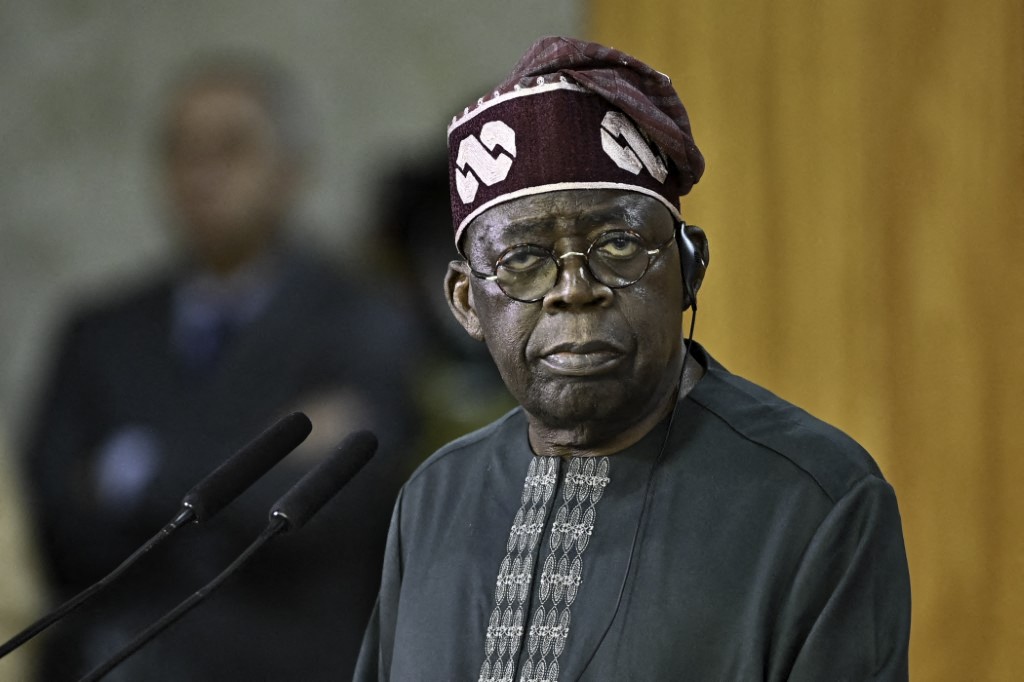
Moreover, President Tinubu inherited a substantial part of the APC’s record from Buhari’s eight years in office. Tinubu was closely associated with the political coalition that brought Buhari to power in 2015, making it difficult for the incumbent to completely separate his administration from the party’s longer record.
Under Buhari, the government pursued a more interventionist economic approach, including import restrictions, currency controls, border closures and a costly petrol subsidy. The subsidy alone cost the government an estimated $10 billion in 2022.
Nigeria subsequently experienced its first recession in 25 years, while inflation climbed above 33% and economic growth remained sluggish.
The country’s broader economic indicators also reflect the pressures facing households. World Bank data show GDP per capita falling from $2,586 in 2015 to $1,224, representing a 53% decline.
Nigeria’s debt burden has also expanded dramatically. Official data indicate that total debt increased more than twelvefold, from 12.6 trillion naira at the end of 2015 to 159.35 trillion naira by March 2026.
Debt-servicing obligations are projected at $11.6 billion this year, representing almost half of expected government revenue and more than twice the $5.15 billion recorded in 2025.
For critics, the figures point to a country that has accumulated more debt without delivering a corresponding improvement in household prosperity.
Security and Cost of Living Become Central Battlegrounds
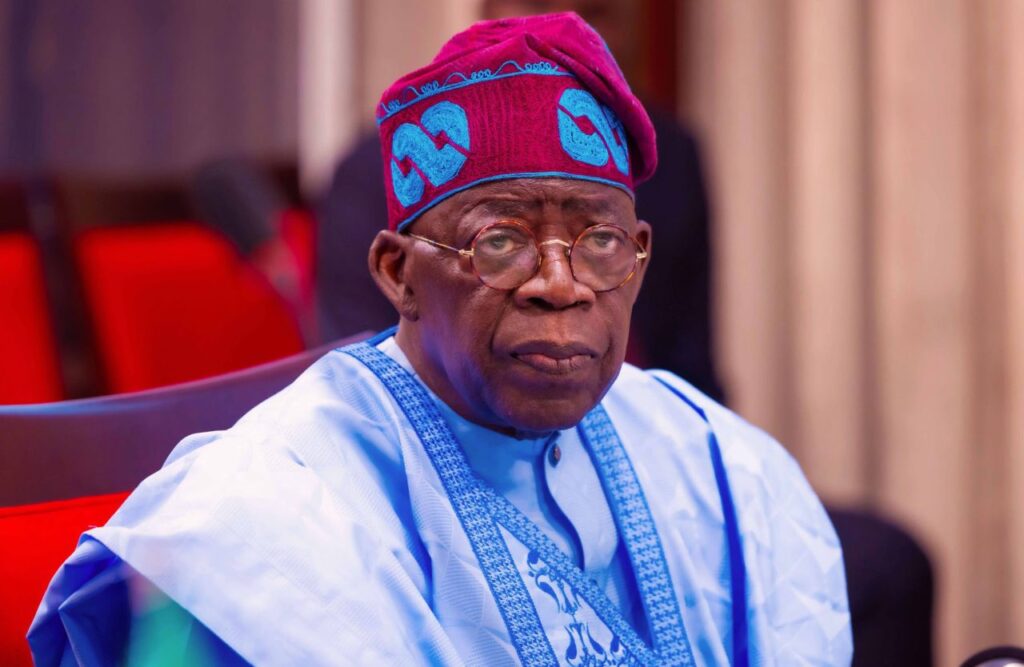
If economic hardship represents Tinubu’s biggest political vulnerability, insecurity could prove equally decisive.
The APC entered government in 2015 promising to defeat Boko Haram and restore security across the country. Yet Nigeria continues to experience violence involving armed groups, bandits, separatist militants and criminal networks operating across several regions.
The government maintains that military operations have reduced attacks in several areas, improved the safety of major roads and enabled some farmers to return to their fields.
However, the persistence of killings and mass abductions remains a major source of public anxiety.
According to Amnesty International, at least 10,217 people have been killed by armed groups since Tinubu took office, while around 15 mass abductions of schoolchildren have been recorded during the same period.
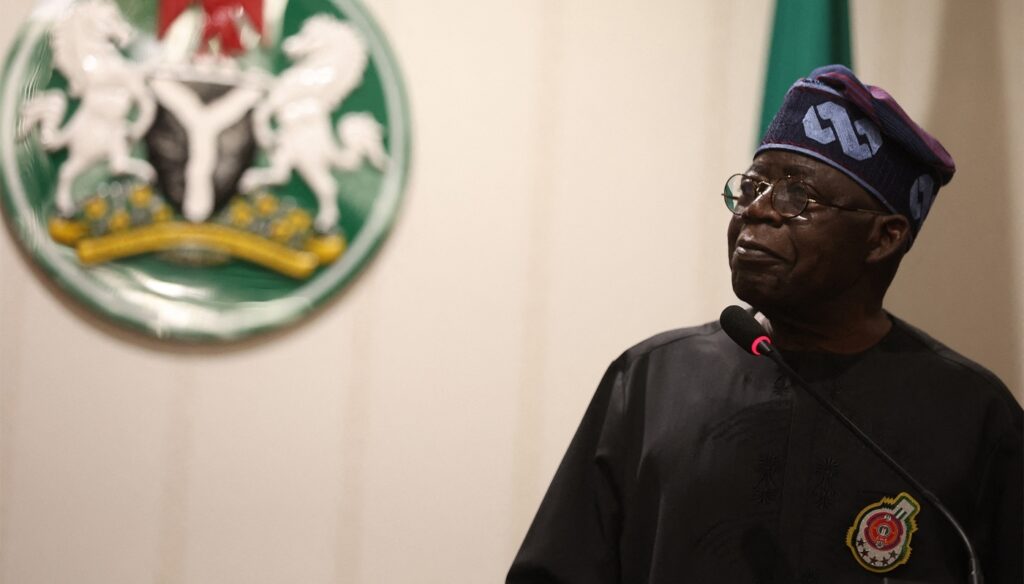
The nature of the security threat has also become increasingly fragmented. Banditry remains widespread across parts of the northwest, separatist violence continues to affect communities in the southeast and kidnapping for ransom has become a persistent threat in several parts of the country.
Those concerns are likely to dominate the campaign as opposition parties seek to portray the election as a referendum on the APC’s record.
Against this backdrop, political parties and presidential and National Assembly candidates have signed the first National Peace Accord on issue-based campaigns ahead of the 2027 general elections.
The agreement commits political actors to avoiding violence, hate speech, misinformation, personal attacks and other conduct capable of undermining the electoral process.
Tinubu urged his opponents to focus on policy rather than exploiting ethnic or religious divisions. He also called on candidates to concentrate on the challenges confronting Nigerians and present competing solutions.
READ ALSO: GSE Records Massive GH¢29.5m Turnover in Trading Frenzy