The National President of the Association of Certified Driving Instructors of Ghana, Marshall Bobobee, has challenged the Driver and Vehicle Licensing Authority over comments by the CEO questioning the quality of training provided by private driving schools across the country. He argued that the authority has a statutory responsibility to establish training standards, license instructors and ensure that approved institutions comply with those requirements.
Mr Bobobee explained that his position is grounded in the legal framework governing the DVLA, particularly the DVLA Act, 1999, and the Road Traffic Regulations, 2012. According to him, the legislation places responsibility on the authority to promote good driving standards while ensuring that drivers receive appropriate training before they are licensed.
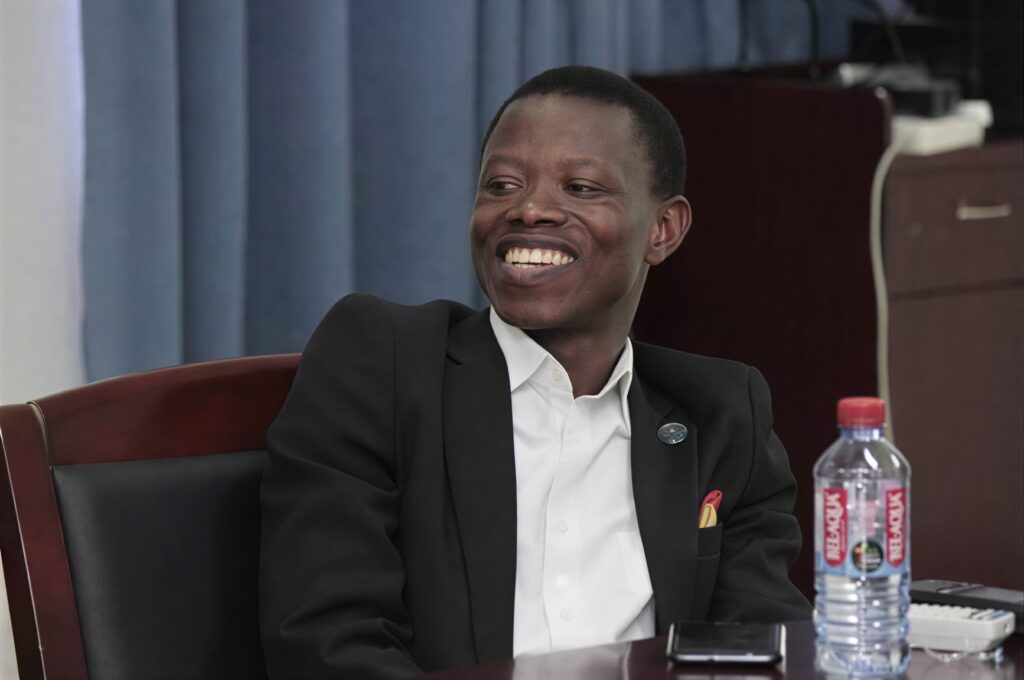
The National President further pointed to Section 3 of the DVLA Act, which assigns the authority responsibility for establishing standards and methods for training and testing driving instructors and drivers. Therefore, he argued that any deficiencies discovered within the training system should prompt an examination of how those standards are being supervised and enforced.
From his perspective, licensing private driving schools creates a corresponding duty to monitor their operations and ensure that approved requirements are being followed. He consequently urged the DVLA to strengthen its oversight mechanisms if there are identified gaps in the preparation of drivers before they undergo testing.
“If you are the ones licensing the schools and the instructors, you give them a certain standard to operate by. You need to put systems in place to ensure that they comply.”
Marshall Bobobee
Mr Bobobee also questioned the rationale for relying on a skills development centre to retrain drivers who may have received inadequate preparation from private institutions. He noted that the facility is located at the DVLA headquarters in Accra while driver training takes place across regions and districts, creating questions about how such a model could adequately serve the national system.
Analysing the situation from the perspective of driver education, he suggested that a national network of skills centres could be considered if the authority believes existing institutions require substantial intervention. Such a step, he indicated, would need to complement effective regulation of private schools instead of leaving the responsibility for initial training unclear.
The association’s position focuses on the relationship between training and licensing. Mr Bobobee explained that drivers who fail the authority’s assessment can be rejected while those who meet the required standard can proceed to obtain licences, making the testing process an important safeguard within the system.
He further raised questions about the reported number of drivers receiving licences annually compared with the number of students handled by private driving schools. Referencing discussions with a school owner, the National President observed that some institutions reportedly train only a small number of students each month, prompting him to seek greater clarity on how the overall licensing figures are generated.
Fragmented Records Raise Fresh Questions Over Driver Licensing
The National President of the Association of Certified Driving Instructors of Ghana, Marshall Bobobee, also called for stronger coordination of records linking private driving schools to the licensing process. He explained that the DVLA and individual driving schools operate separate data systems, making it difficult to follow a student’s complete progression from training to certification.
According to Mr Bobobee, the absence of an integrated record system creates uncertainty over the source and accuracy of figures associated with driver licensing. He therefore urged the relevant institutions to establish a system through which individual candidates can be traced from their initial training to the point at which they receive their licences.
The proposed approach, he indicated, could also help identify specific schools whose performance requires examination. Instead of treating private driving institutions as one group, available records could provide a clearer basis for assessing the work of individual schools and instructors.
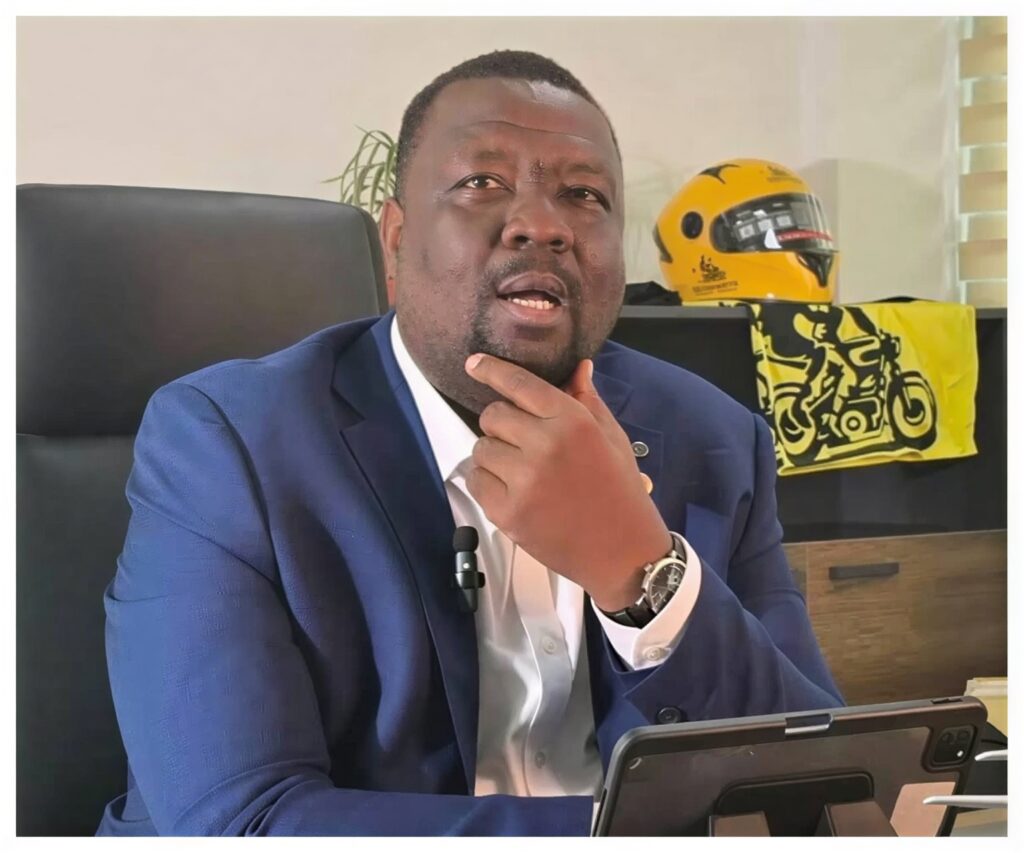
“The system is fragmented. So we need to be sure the data that is given us, where is it coming from? Can we pinpoint to the schools that are not performing?”
Marshall Bobobee
Beyond the question of data, Mr Bobobee defended the professional standing of private driving instructors who he believes have been affected by the recent comments from the DVLA leadership. He explained that driver training remains the profession of members of his association and therefore requires careful protection through evidence based assessment.
Addressing the response of the association, he revealed that its members had engaged in internal discussions before issuing a public statement on the matter. The decision followed several conversations among members after the comments emerged, with the association eventually deciding to communicate its position publicly.
On engagement with the DVLA, Mr Bobobee clarified that the association had not directly approached the authority before issuing its response. He explained that the group expected the leadership of the institution to clarify the comments publicly if they had been misquoted or inaccurately represented.
This position shaped the association’s decision to respond through the public debate. The intention was to place its interpretation of the matter on record and invite the authority to clarify the evidence behind the assessment of private driving schools.
Furthermore, the discussion has raised a wider question about accountability within Ghana’s driver training system. Effective licensing depends on reliable information, consistent supervision and clear standards that can be applied across institutions operating in different parts of the country.
The National President therefore urged the authorities to provide the relevant evidence supporting claims about the quality of private driving schools. Such evidence, he indicated, would allow institutions and the public to understand where shortcomings exist and what corrective measures may be required.
READ ALSO: Only The State Can Protect Citizens — Security Analyst