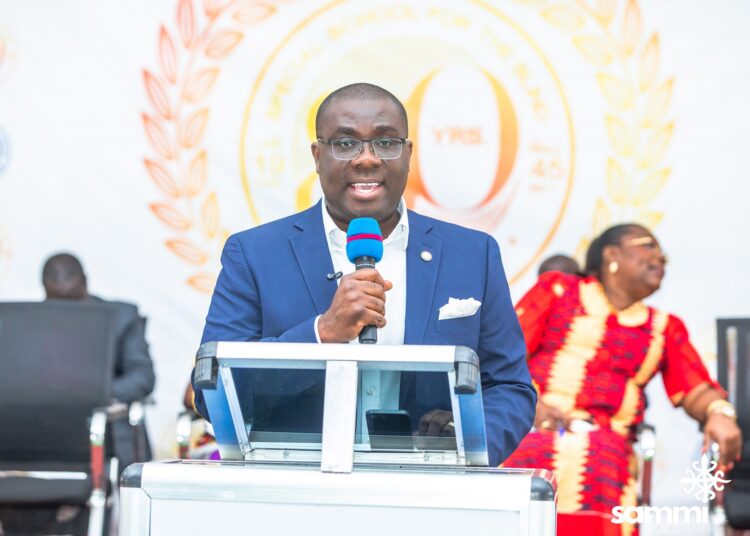
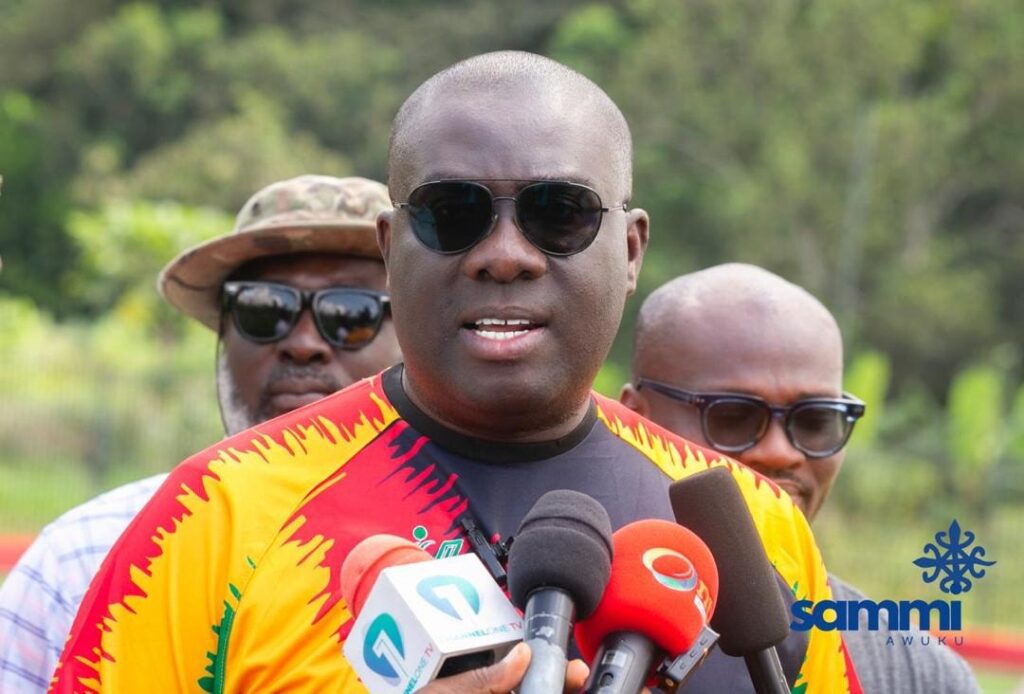
Hon. Sammi Awuku, Member of Parliament for Akuapim North, has charged media practitioners to objectively interrogate the reported GHS22 billion operational losses surrounding the Goldbod and Bank of Ghana gold purchase program, urging journalists to prioritize factual scrutiny over political commentary.
By holding regulatory institutions to strict standards of transparency, news outlets play an essential role in ensuring that public resources invested in Ghana’s extractive sector are accounted for without institutional bias.
“The figures being discussed have been captured in official reports of the IMF and therefore, the right response is not to attack the Minority or turn the matter into a political football, but to provide clear, credible answers. The media also has a responsibility to interrogate the issues objectively rather than focusing primarily on discrediting those who have raised the concerns. At the end of the day, this is about getting answers and doing what is right for the country.”
Hon. Sammi Awuku, Member of Parliament for Akuapim North
Hon. Awuku stressed that the magnitude of the reported financial deficit requires impartial journalistic investigation to establish whether these massive losses resulted from independent operational missteps or systematic collusion among key industry actors.
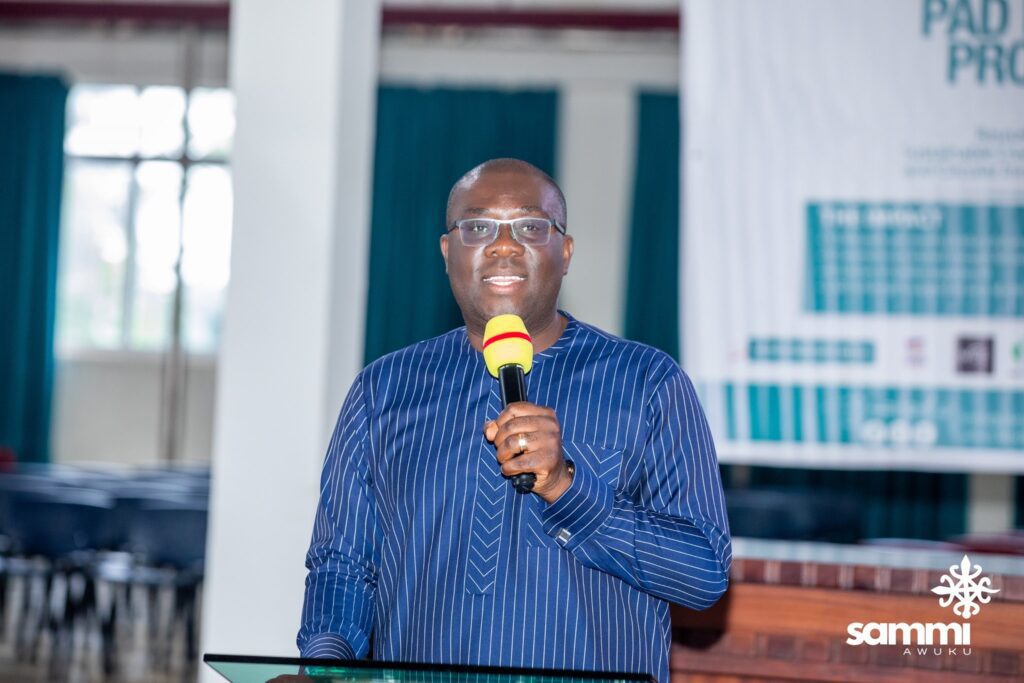
Rather than allowing public discourse to descend into trivial partisan broadsides, media organizations are expected to examine the core facts, thoroughly evaluate counter-arguments, and present accurate verifiable data to the populace.
A rigorous media probe into the gold-for-oil and domestic gold purchase operations ensures that state apparatuses remain accountable to taxpayers, thereby protecting national economic stability and building public trust in governance.
Escalating Concerns Over Extractive Sector Financial Accountability
The imperative for media scrutiny stems from growing anxiety regarding oversight mechanisms within Ghana’s minerals and mining governance framework.
The gold trading initiative, originally designed to stabilize foreign exchange reserves and strengthen local currency performance, has encountered fierce public debate following disclosures regarding multi-billion-cedi deficits.
Extractive sector analysts note that when state-backed commodity trading platforms record staggering operational losses, total transparency becomes paramount to prevent systemic risks to the broader macroeconomic environment.
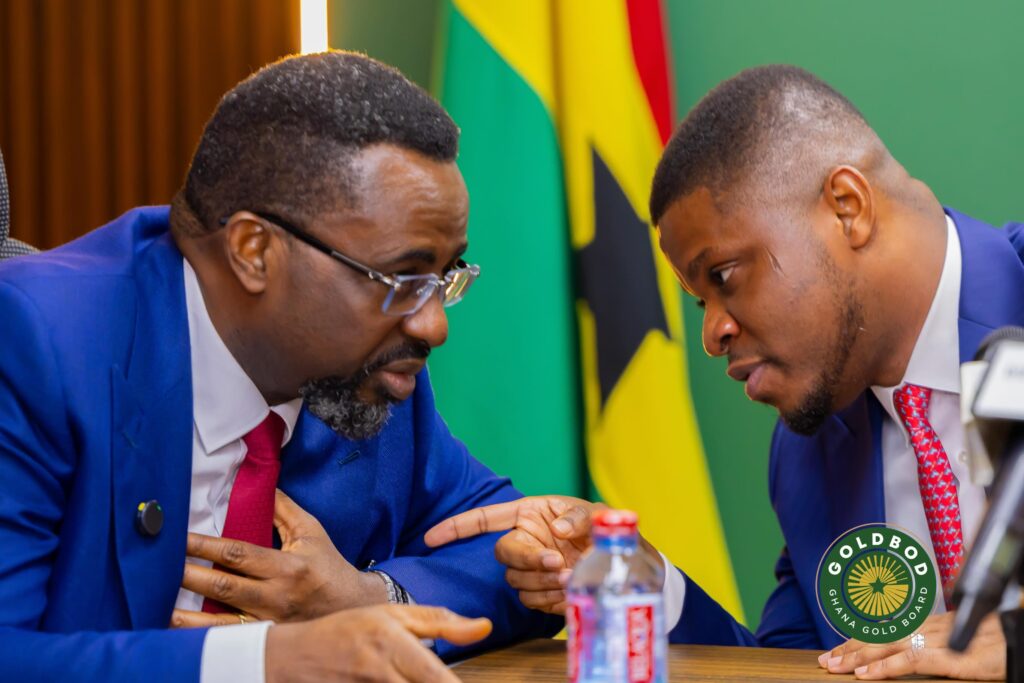
Consequently, parliamentary oversight must be reinforced by proactive investigative journalism that evaluates raw trade logs, pricing structures, and regulatory compliance.
Furthermore, sound economic governance demands that public officials provide evidence-backed explanations whenever International Monetary Fund assessments highlight institutional shortfalls.
In the absence of comprehensive press probing, public narratives risk being dominated by political PR campaigns designed to gloss over structural failures.
By directly pressing senior government authorities and sector leaders for detailed financial disclosures, reporters can help clarify whether market volatility, administrative negligence, or deliberate malfeasance caused the multi-billion-cedi balance sheet strain.
Decoupling Financial Probe from Partisan Political Rhetoric
Depoliticizing natural resource management is essential for long-term fiscal discipline, particularly in gold-rich developing economies were foreign reserve management dictates currency health.
Hon. Awuku highlighted that reducing financial accountability to routine party squabbles undermines national integrity and distracts from core economic realities.
When public oversight is viewed strictly through a partisan lens, critical questions regarding trade execution, counterparty risk, and revenue leakage are routinely ignored.
To mitigate these risks, civil society groups and extractive watchdog entities must collaborate with mainstream media to present clear, data-backed findings to the electorate.
Rather than treating parliamentary inquiries as political theater, statutory regulators must engage directly with independent findings to demonstrate commitment to the rule of law.
A focused media approach forces duty-bearers to provide verifiable metrics, counter-evidence, and corrective frameworks, ensuring that state resources allocated to mineral trade serve national development goals rather than private interests.
Strengthening Institutional Oversight in Ghana’s Gold Trade
Sustained press engagement is vital for safeguarding public funds committed to gold monetization schemes across the nation.
As Ghana continues to navigate complex macroeconomic recovery paths, financial operations within the extractive industry must conform to global best practices in audit transparency and corporate governance.
The media’s unwavering dedication to fact-based reporting serves as the primary bridge between state financial decision-makers and the citizenry.

Ultimately, addressing the multi-billion-cedi loss concerns requires an unyielding insistence on truth and structural accountability from all public institutions involved in the gold ecosystem.
If counter-claims exist regarding the figures attributed to international reporting bodies, state officials must publish verifiable accounting sheets rather than engaging in rhetorical exchanges.
By maintaining relentless objective focus, the press can ensure that the administrative, financial, and regulatory frameworks governing Ghana’s precious minerals remain resilient, transparent, and strictly and fully aligned with overriding national interests.
READ ALSO: Over 2000 Migrant Beggars Removed From Streets — Interior Minister