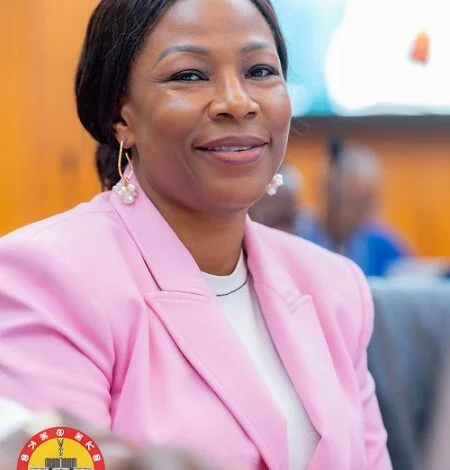
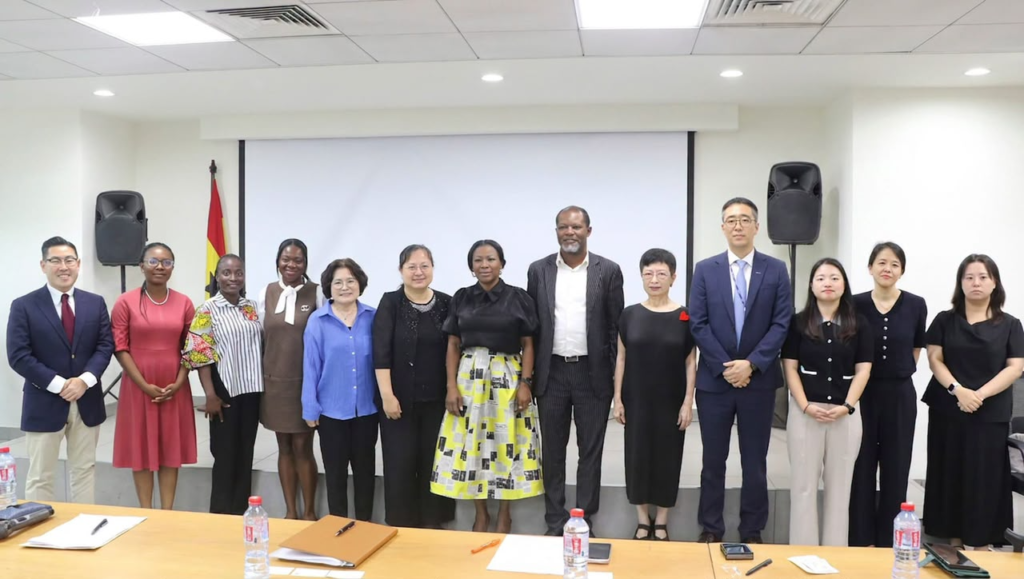
Delegation from the Korea International Cooperation Agency (KOICA), led by Country Director Mr Dong Wan Woo, has paid a courtesy call on the Deputy Minister for Health, Prof. Dr Grace Ayensu-Danquah, to explore areas of collaboration in support of Ghana’s efforts to reduce maternal mortality under the Maternal Mortality Action and Response Programme (MMARP).
The engagement, held in Accra, brought together senior officials from the Korean agency and the Ministry of Health for discussions centred on strengthening maternal healthcare services, addressing preventable maternal deaths, and improving overall health outcomes for mothers across the country.
The visit comes at a critical moment for Ghana’s maternal health sector, which government officials have repeatedly flagged as the country’s only major health indicator moving in the wrong direction.
Prof. Ayensu-Danquah has in recent months toured health facilities nationwide to confront the crisis directly, disclosing during working visits under Phase Three of MMARP that more than 950 maternal deaths were recorded in Ghana in the past year alone.
Separately, recent Ministry data indicates that Ghana recorded 965 institutional maternal deaths in 2025, with 42 percent of these cases occurring in just 11 referral and teaching hospitals, underscoring the disproportionate burden carried by major healthcare facilities.
It is against this backdrop that the Deputy Minister has described maternal mortality as a matter demanding urgent, coordinated and data-driven intervention, a framing that shaped the tone of her engagement with the visiting KOICA delegation.
“We consider maternal mortality a national emergency, and partnerships such as this one with KOICA are critical to the coordinated, data-driven response we need.”
MMARP As the Anchor or Collaboration
The discussions were anchored around MMARP, a Ministry of Health initiative aimed at accelerating the reduction of maternal deaths and ensuring that every woman survives pregnancy and childbirth.
The programme has in recent months driven a series of working tours and community engagements across the country, with the Deputy Minister engaging community leaders, inspecting health facilities, and listening to residents’ concerns about persistent gaps in maternal healthcare in regions such as the Northern Region and Greater Accra.
Government has set an ambitious benchmark for the programme, targeting a 20 percent reduction in maternal mortality by the end of 2026, with the national action plan designed to improve early detection at the primary healthcare level, strengthen referral systems, and equip health facilities to respond more effectively to emergencies.
For his part, Mr Dong Wan Woo used the courtesy call to reaffirm KOICA’s readiness to support Ghana in this effort, describing maternal health as an area where targeted international cooperation can produce measurable and lasting impact.
“KOICA remains committed to standing with Ghana in tackling preventable maternal deaths, and we see real potential for our partnership to strengthen frontline healthcare delivery.”
Mr Dong Wan Woo
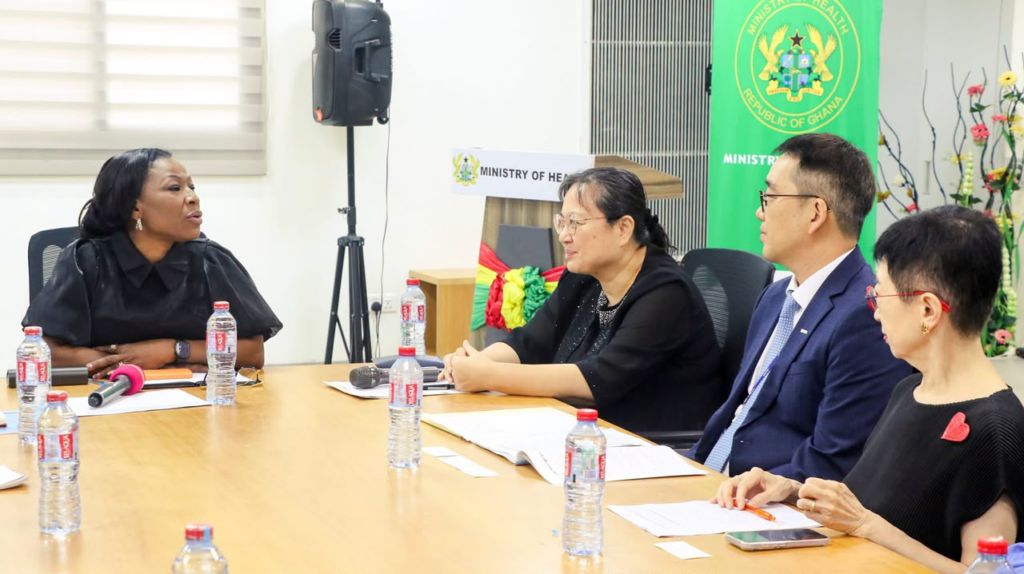
The engagement provided both sides the opportunity to explore practical strategies for advancing shared maternal health goals, with conversations touching on how best to strengthen maternal healthcare service delivery, tackle preventable causes of maternal death, and ultimately improve health outcomes for mothers across Ghana.
While the meeting was described as an exploratory courtesy visit rather than a formal signing of new commitments, officials from both sides indicated an interest in translating the discussions into concrete areas of technical and possibly financial cooperation going forward.
Context; A Long Road Since Early Gains
Ghana’s maternal health trajectory has shown mixed progress over the past two decades. Between 2000 and 2020, the country successfully halved its maternal mortality ratio from 499 to 263 deaths per 100,000 live births through a range of interventions, though this figure remains higher than the global average.
More recent trends, however, have raised fresh concern among health officials, with regional disparities continuing to shape outcomes across the country.
It is within this broader context that MMARP was rolled out, alongside earlier interventions such as the free maternal healthcare policy and community-level health programmes, as government seeks new partnerships capable of accelerating progress toward its 2026 target and, more broadly, national ambitions tied to the 2030 Sustainable Development Goals.
Continuing Engagement
The courtesy call between the KOICA delegation and the Deputy Minister for Health adds to a growing list of engagements between the Ministry and international development partners as it works to mobilise support for MMARP.
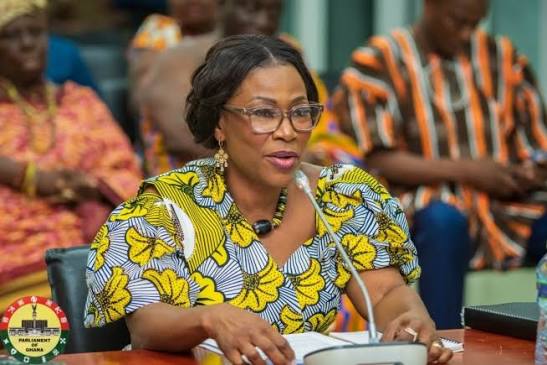
With Ghana’s maternal mortality figures continuing to draw close scrutiny from both government and civil society, the outcome of discussions such as this one will likely be measured not just by pledges made during courtesy visits, but by how quickly any resulting support translates into strengthened services at the facility and community levels where most maternal deaths continue to occur.
As both sides indicated further engagement would follow, attention now turns to whether the conversation between Ghana and KOICA develops into a formal programme of support, and how such collaboration might complement the Ministry’s existing MMARP interventions already under way across the country’s regions.
READ MORE: Scrapping Affiliation Fees Could Save Student Teachers Up to 20% in Charges – EduWatch