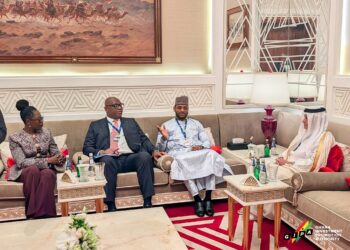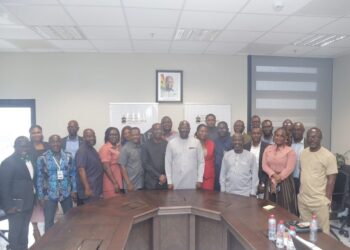
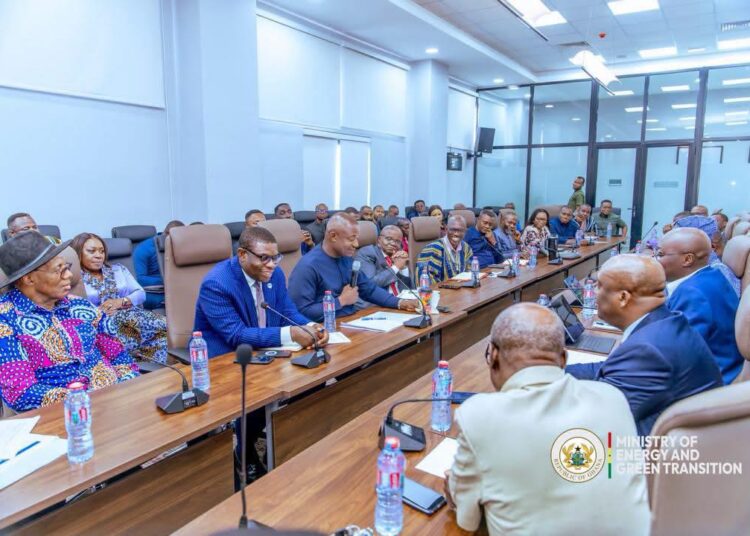
The Ministry of Energy and Green Transition has held high-level discussions with the Ministry of Finance on the financial condition of Ghana’s energy sector, with both sides examining the close relationship between the sector’s operational challenges and the pressures they place on public finances.
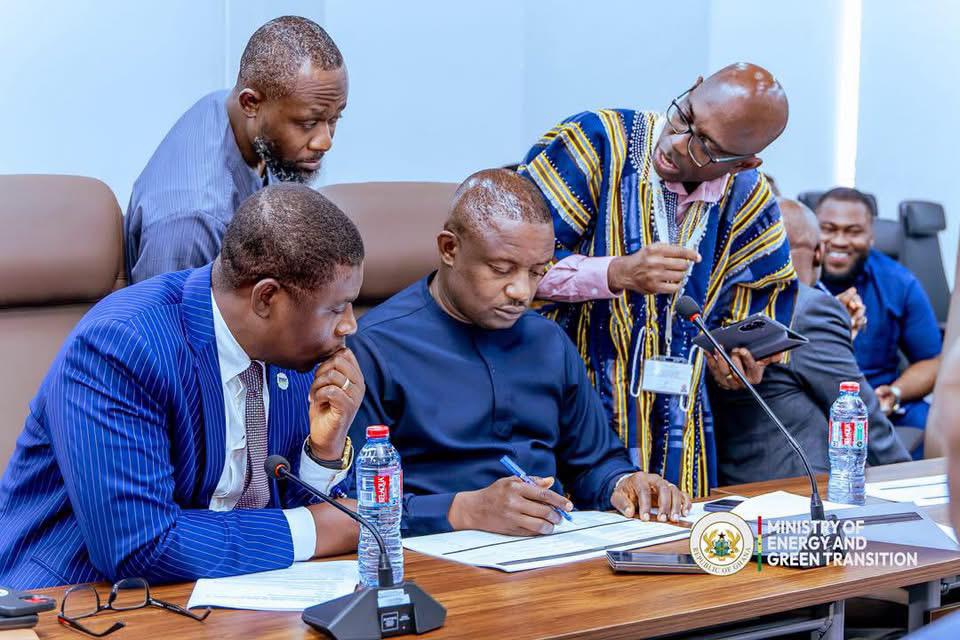
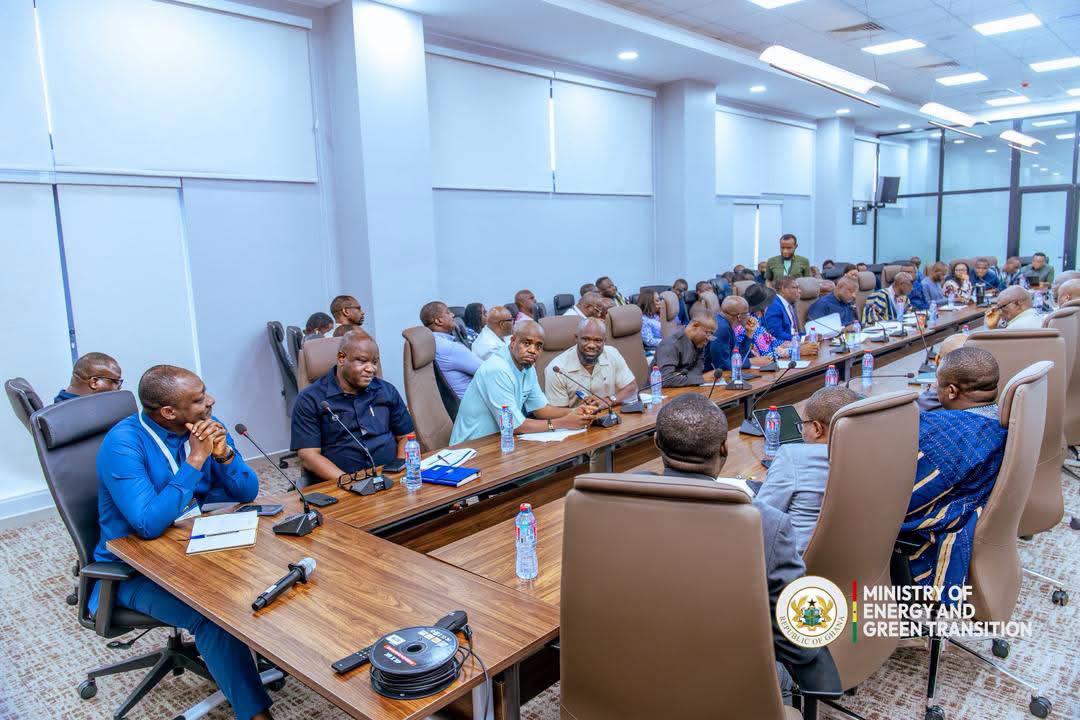
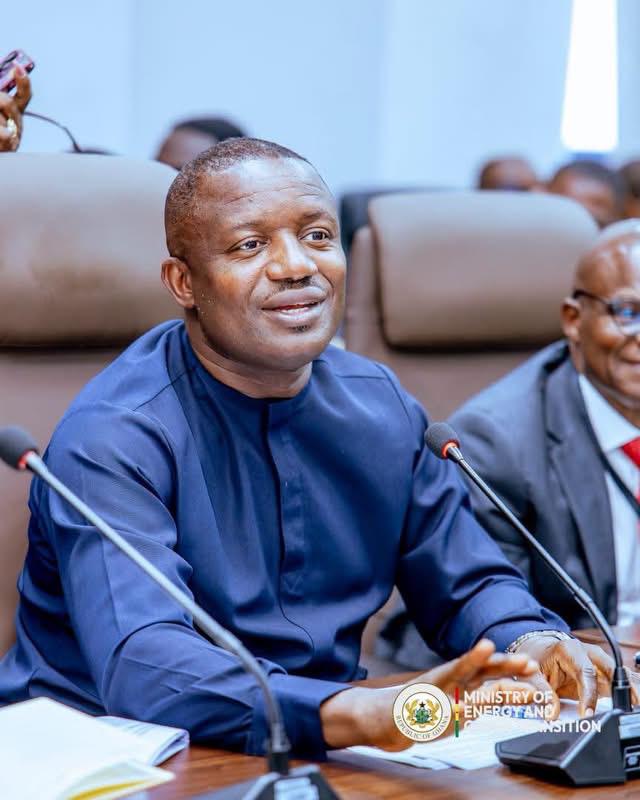
The engagement, led by the Minister for Energy and Green Transition, Dr. John Abdulai Jinapor, brought together agencies under the Energy Ministry and the Finance Ministry, led by Finance Minister Dr. Cassiel Ato Forson.
The meeting was described as frank and constructive, with discussions focused on the structural challenges affecting the energy sector and the reforms being pursued to improve its financial sustainability.
The engagement is significant because Ghana’s energy-sector difficulties extend beyond electricity generation and distribution.
Financial pressures within the sector can ultimately become fiscal pressures for government, particularly when state institutions require public support to meet obligations, maintain infrastructure or sustain essential services.
Energy Costs And Public Finance Remain Closely Linked
The discussions placed the financial relationship between Ghana’s energy sector and the national budget at the centre of attention.
A financially weak energy sector can create demands on public resources, while fiscal constraints can simultaneously limit the ability of government and energy institutions to invest sufficiently in infrastructure, maintenance and system improvements.
The two pressures can therefore reinforce each other.
Where sector revenues are inadequate relative to costs and obligations, government may be required to intervene.
But repeated fiscal support can also reduce the resources available for other development priorities.
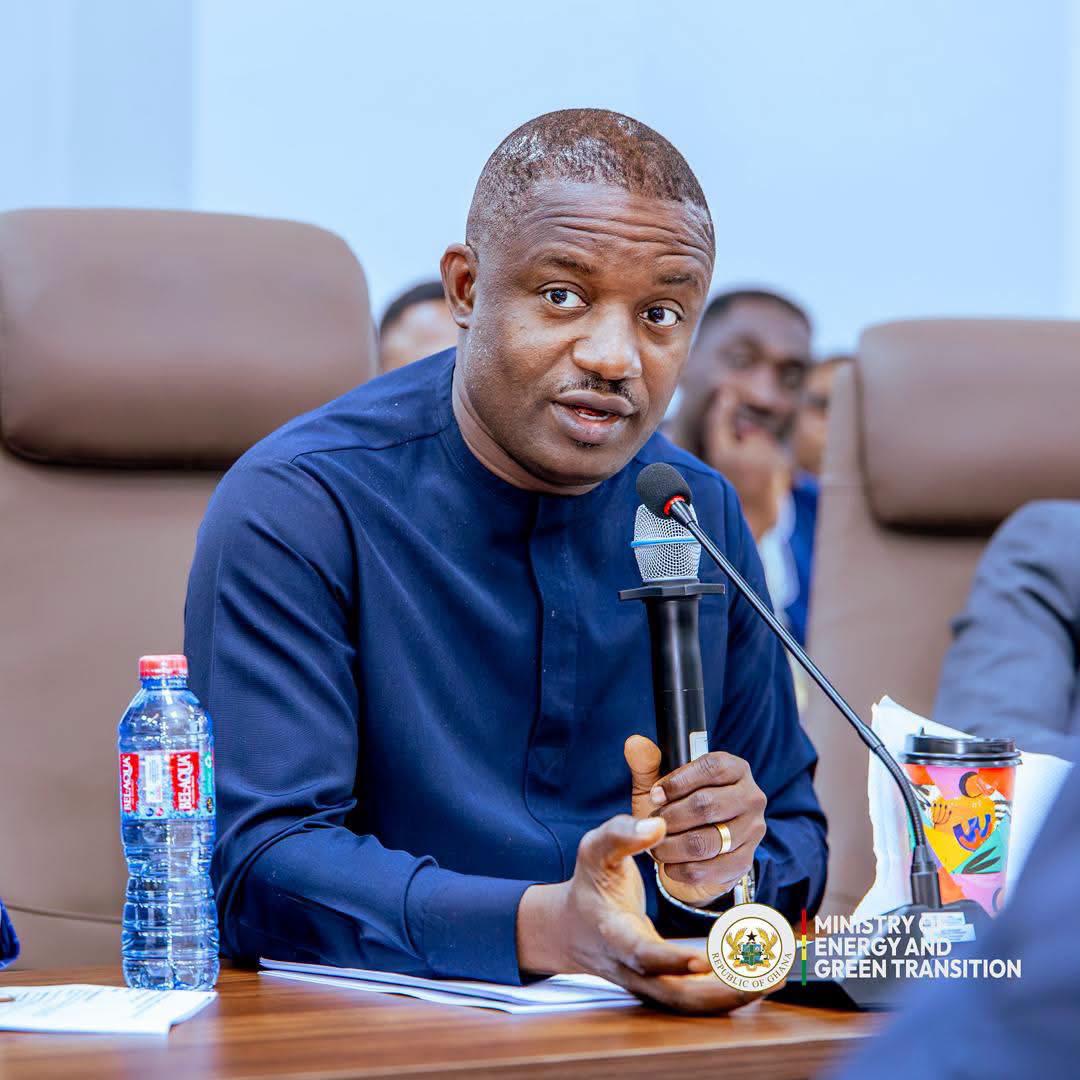
Dr. Jinapor indicated that the engagement provided an opportunity for the agencies under his Ministry to confront these issues directly with the Ministry of Finance rather than treating the challenges within individual institutions in isolation.
“We had an open and frank discussion on the challenges confronting the sector, particularly the critical relationship between energy and public finance.”
Dr. John Abdulai Jinapor, Minister For Energy And Green Transition
That relationship is particularly important to Ghana because electricity and other energy services underpin virtually every productive activity in the economy.
Businesses require dependable power to operate, while households depend on affordable energy for basic needs.
The financial health of the sector consequently has implications well beyond government accounts.
Persistent financial weaknesses can eventually affect investment, reliability, tariffs, arrears and the ability of utilities to maintain and expand their networks.
Reforms Target Structural Weaknesses
The engagement also comes as government seeks to implement reforms aimed at addressing what it describes as structural challenges within the energy sector.
The Minister said meaningful progress was being made through these reforms, although the statement did not identify specific measures or quantify the financial gains achieved so far.

The emphasis on structural reform is important because temporary financial support can address immediate liquidity problems without necessarily correcting the factors that created those problems.
For energy-sector institutions, long-term sustainability requires a combination of commercially viable operations, effective revenue collection, cost control, prudent investment and stronger institutional governance.
The need for such reforms has also featured prominently in Ghana’s recent energy-sector discussions.
At the Future of Energy Conference, stakeholders highlighted the importance of financial discipline, independent assessment of project economics and stronger institutional capacity when making energy investment decisions.
The same principle applies to state-owned energy institutions: financial sustainability cannot depend indefinitely on government intervention.
Financial Sustainability Becomes Critical For Energy Security
The financial condition of the sector also has a direct connection to energy security.
Electricity infrastructure requires continuous expenditure even after it has been constructed.
Transmission and distribution networks must be maintained, generation facilities require periodic investment, and system expansion must keep pace with population growth and industrial demand.
Where utilities and sector agencies are financially constrained, maintenance and investment can come under pressure.
This creates a difficult policy balance. Government must keep energy affordable enough to support households and productive sectors while ensuring that the institutions responsible for supplying energy can recover enough revenue to remain operationally viable.
That challenge makes the relationship between energy policy and public finance particularly important.
A financially unsustainable energy system may appear affordable in the short term if government absorbs part of the cost, but the liabilities do not disappear.
They can accumulate elsewhere in the public sector and eventually restrict the state’s capacity to invest in new infrastructure.
Government Signals Continued Focus On Sector Resilience
Dr. Jinapor said the government remained committed to sustaining the reforms and strengthening the financial foundation of the energy sector.
“We remain committed to sustaining these reforms, strengthening the sector’s financial sustainability and ensuring that Ghana has a reliable and resilient energy system to support economic growth.”
Dr. John Abdulai Jinapor, Minister For Energy And Green Transition
The reference to resilience is significant because Ghana’s energy system faces pressures from both domestic and external factors.
Changes in fuel prices, foreign-exchange movements, financing costs, electricity demand and infrastructure requirements can all affect the financial position of energy institutions.
Building resilience therefore requires more than increasing generation capacity. It also requires institutions capable of managing financial risks and infrastructure assets over the long term.
The issue has become particularly relevant as Ghana pursues an ambitious expansion of electricity access and infrastructure under the government’s Big Push agenda.
Projects such as new transmission infrastructure and the expansion of grid connections can support economic development, but they also create future maintenance and operating obligations.
The sustainability of those investments will depend partly on whether the financial architecture supporting the energy sector is strong enough to maintain them.
A More Coordinated Energy-Fiscal Strategy
The meeting between the two Ministries points towards a recognition that energy-sector reform cannot be separated from fiscal policy.
The Energy Ministry oversees institutions responsible for generation, transmission, distribution, petroleum and other aspects of the energy system, while the Finance Ministry must account for the fiscal consequences of policies and financial commitments affecting those institutions.
Closer coordination can therefore help government assess energy-sector decisions not only according to their technical or social objectives but also according to their long-term financial implications.
For Ghana, the test will be whether the current reform agenda produces a sector that increasingly finances its own operations and investment requirements while maintaining reliable and affordable energy services.
That would reduce pressure on public finances and create greater room for government to direct scarce fiscal resources towards other priorities.
The meeting also reinforces a broader lesson from Ghana’s energy policy experience: energy security is ultimately inseparable from financial sustainability.
Generation capacity without adequate financing can deteriorate, transmission infrastructure without maintenance can become unreliable, and affordable tariffs that leave utilities structurally underfunded can create larger problems later.
The latest engagement therefore represents more than an inter-ministerial discussion.
It reflects the need to align Ghana’s energy ambitions with the fiscal capacity required to sustain them.
If the reforms can successfully address the underlying financial weaknesses, the benefit could extend beyond government’s balance sheet.
A more financially resilient energy sector would provide a stronger foundation for reliable electricity supply, industrial growth, investment and broader economic development.
READ ALSO: Cedi Slide Could Trigger Banking Sector Crisis, Atuahene Warns