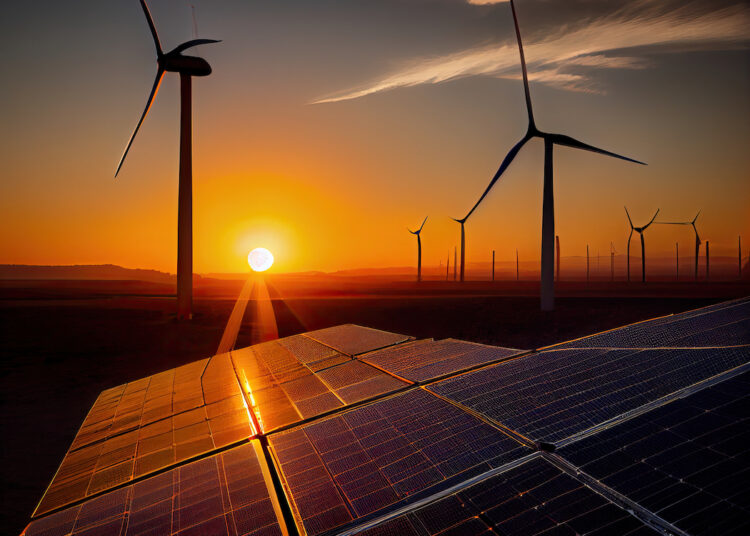
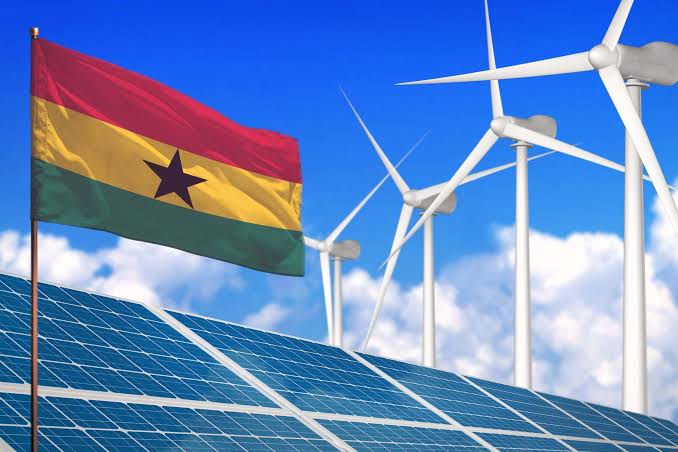
Ghana’s solar ambitions are increasingly moving beyond the question of how much renewable capacity can be installed to whether the power system can absorb, manage and reliably deliver that electricity.
That challenge will form part of the agenda when the third edition of the Solar & Storage Summit Ghana 2026 convenes in Accra on November 19, bringing policymakers, utilities, developers, investors, financiers and technology providers together around solar deployment and energy storage.
The summit’s focus on storage is particularly significant because adding solar generation alone does not automatically resolve the reliability and flexibility challenges facing an electricity system. The commercial value of new solar projects increasingly depends on whether the grid, financing structures and supporting technologies can accommodate variable generation.
SolarQuarter, which is organising the summit, says the event will examine project development, investment and clean-energy adoption, with more than 100 decision-makers and over 25 industry speakers expected to participate.
Solar Expansion Meets Grid Reality
Ghana’s renewable-energy conversation has often centred on increasing the contribution of solar to the electricity mix. The summit is placing a broader question alongside that ambition: what infrastructure and market arrangements are required to make solar useful at scale?
One of the three main leadership panels will examine utility-scale solar and storage, with discussions expected to cover project pipelines, grid capacity and storage integration.
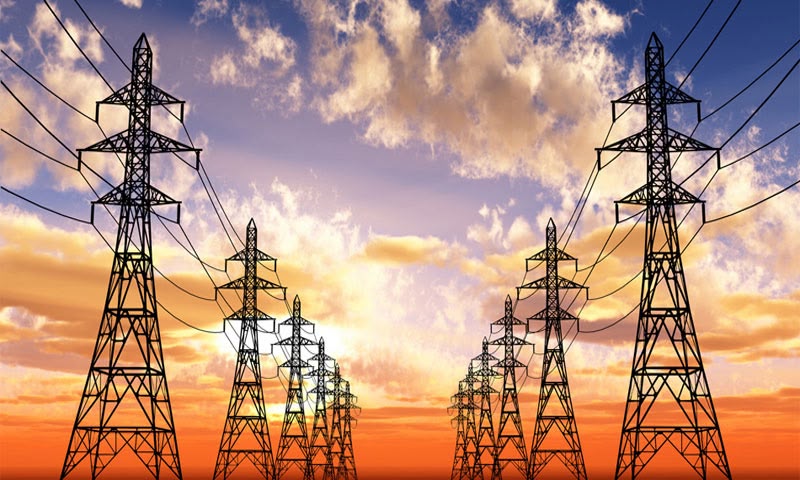
That combination matters because utility-scale renewable generation creates value only when the electricity can be evacuated, dispatched and integrated effectively.
A project may add generating capacity on paper, but transmission constraints, inadequate flexibility or weak system-integration arrangements can limit the amount of power that ultimately reaches consumers.
The summit’s organisers describe the objective as examining how developers, utilities and technology providers can support effective project execution and system integration.
“The programme will examine how solar generation and energy storage can support Ghana’s energy security, strengthen business resilience and enable wider access to reliable electricity.”
The emphasis on energy security is important. Solar has no imported fuel requirement once installed, while storage can help shift when electricity generated during periods of strong solar output is available to the system.
But storage also introduces a new investment requirement. Batteries must be financed, operated, maintained and integrated into a power market capable of valuing the services they provide.
Distributed Solar Targets Demand
The second major discussion at the summit will focus on distributed energy, including rooftop solar, mini-grids and distributed storage for homes, businesses and industries.
This is potentially important for Ghana because energy resilience is not only a utility-scale issue.
For commercial and industrial users, distributed generation can provide an alternative source of electricity and potentially reduce exposure to disruptions affecting the wider grid.
Mini-grids can similarly provide electricity services in areas where extending or reinforcing the national network may be difficult.
However, scaling these systems requires more than technology availability.
Businesses and households must be able to finance installations, developers need viable commercial models, and regulatory arrangements must provide sufficient certainty for investors.
The summit is therefore expected to examine adoption barriers alongside implementation considerations rather than treating solar technology as the sole solution.
The inclusion of energy users in the summit’s target audience is also significant. It brings the discussion closer to the economics of actual electricity consumption, particularly among commercial and industrial customers.
For Ghana’s solar market, sustained growth will depend on whether projects solve identifiable energy problems and generate sufficiently predictable returns for both users and investors.
Investment Remains The Critical Link
Perhaps the most consequential part of the summit will be the discussion around finance and project bankability.
The third leadership panel is dedicated to mobilising investment and green finance for Ghana’s solar and storage transition, with attention to financing structures, procurement, regulation and the conditions required to make projects bankable.
This is where Ghana’s renewable-energy ambitions meet their most practical constraint.

Solar equipment can be deployed relatively quickly compared with many conventional power projects, but large-scale deployment still requires substantial upfront capital.
Investors must be confident that projects will be constructed on schedule, connected to the grid, operated reliably and generate sufficient revenue over their lifetimes.
A technically attractive project therefore does not necessarily become an investable project.
The summit’s decision to place bankability alongside technology and project development reflects that reality.
Its programme will also include techno-commercial sessions addressing asset performance, digitalisation, industrial decarbonisation and long-term project value.
That shift from simply discussing renewable capacity to discussing project economics could prove more consequential for Ghana’s market. The next phase of solar development will require capital that is willing to remain invested beyond the installation stage.
Storage Could Reshape Solar Economics
Energy storage also changes the role solar can play in the electricity system.
Without storage, solar generation is closely tied to the availability of sunlight. With batteries, some of that electricity can potentially be shifted to periods when demand or system requirements are different.
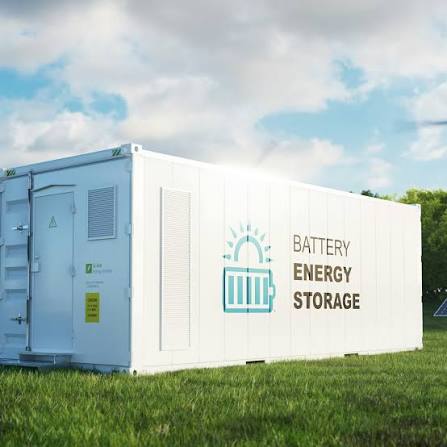
The summit’s focus on storage therefore points to a broader evolution in Ghana’s renewable-energy market: solar projects are increasingly being considered as components of an integrated power system rather than standalone generation assets.
That distinction matters for investors.
The commercial case for a solar project paired with storage is different from that of a conventional solar plant. Revenue may depend not only on electricity generation but also on the value assigned to flexibility and other system services.
For Ghana, developing that market will require appropriate procurement structures and commercial rules that can recognise the contribution of storage.
The summit does not announce a specific storage procurement programme, but its agenda indicates that storage integration and grid capacity are becoming central considerations in the country’s solar investment conversation.
Industry Recognition Supports Market Development
The summit will also feature the Solar & Storage Summit Ghana Awards, covering technology, projects, business performance, finance and investment, sustainability, leadership and other areas of the clean-energy ecosystem.
While awards are not themselves a substitute for investment or policy reform, they can provide visibility for companies and projects operating in an emerging market.
More importantly, the event combines the awards with an exhibition and networking programme involving energy users, developers, investors, technology providers and service companies.
That structure positions the summit as more than a conference. It creates a forum where technical discussions can potentially connect with commercial relationships and project opportunities.
From Solar Ambition To Delivery
For Ghana, the significance of the November summit will ultimately depend less on the number of discussions held than on whether the issues identified translate into investable projects and stronger implementation.
The country does not only need more solar panels. It needs the transmission capacity, storage systems, financing mechanisms, regulatory certainty and commercial demand required to make additional renewable generation valuable to the wider economy.
That makes the summit’s three-pronged focus; utility-scale solar and storage, distributed energy, and investment, particularly relevant.
The organisers say the event is intended to connect technical priorities with the financing, policy and commercial conditions required to move projects towards implementation.
For Ghana’s energy transition, that is the harder part of the equation.
Solar can expand generation diversity, while storage can strengthen flexibility. But neither will materially improve energy security at scale unless investment reaches projects that can be connected, financed and operated sustainably.
The return of the Solar & Storage Summit to Accra therefore comes at a point where Ghana’s renewable-energy debate is increasingly being tested against a more demanding standard: not simply how much solar can be developed, but how effectively it can be integrated into an energy system that businesses and households can rely on.
READ ALSO: India’s ‘Cockroach’ Party Threatens Nationwide Protests Over Election Chief