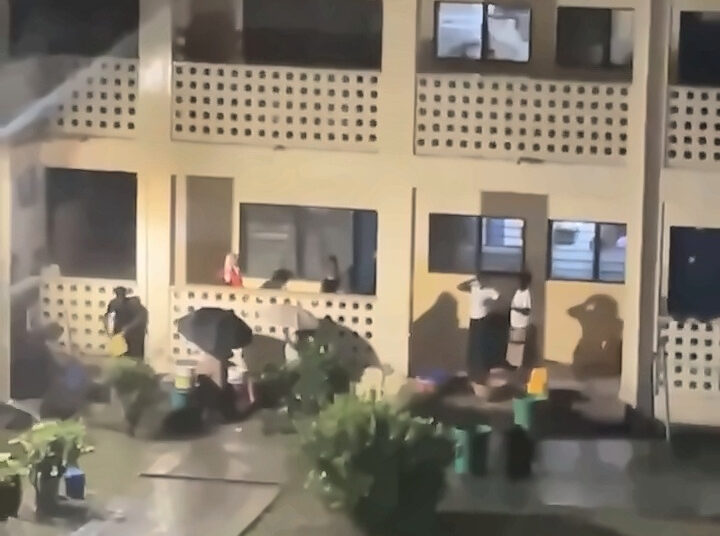
University of Cape Coast students say a long-running water shortage on campus is getting worse. Two students described the situation to The Vaultz News in anonymous interviews, and one pointed to the hostels’ dependence on the Ghana Water Company Limited as the root of the problem.
The first student argued that the university should invest in its own water sources so that each hostel no longer relies on the utility, and he claimed a plan to do so was rejected over cost.
The second student stated that the shortage has persisted since arriving on campus and that the water company sometimes cuts supply, citing technical issues. Neither interview included a response from university management.
“It started when I came to UCC. It was there till now and it’s getting worse.”
A UCC student, speaking anonymously
Hostels Depend on Ghana Water Company
The first student located the problem in how the hostels are supplied. He explained that “all the hostels rely on Ghana Water Company for water,” while some private hostels do not share that dependence.
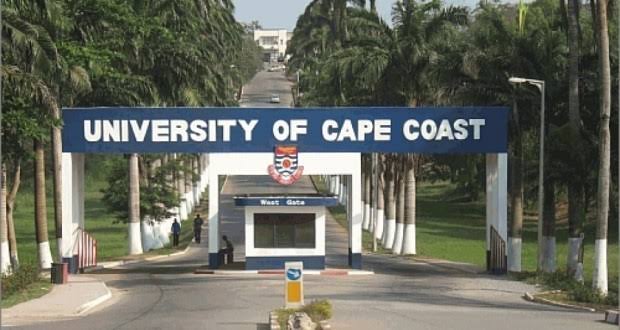
In his view, the arrangement leaves students exposed whenever the utility fails to deliver. He argued that the university must take on a large project to fix this. The institution, he insisted, should raise a substantial sum so that every hall can get its own borehole.
He described this as the way out of the crisis and stated: “That’s the only solution.” Staying with the water company, he warned, will keep the problem alive.
Students Say the Shortage Predates Their Arrival
The second student told a similar story from a different angle. He stated that “since I came it has always been there, but this time it is getting worse.” His account suggests that a problem students have long tolerated has now become harder to bear.
He also pointed to the utility. According to him, the water company sometimes cuts supply, citing technical issues. His comments did not include details on how long such interruptions last or how often they occur.
Borehole Plan Allegedly Rejected Over Cost
The first student went further and claimed that the university once explored getting its own boreholes. The plan, he stated, did not survive a decision by the university’s governing body, and he blamed the cost involved.
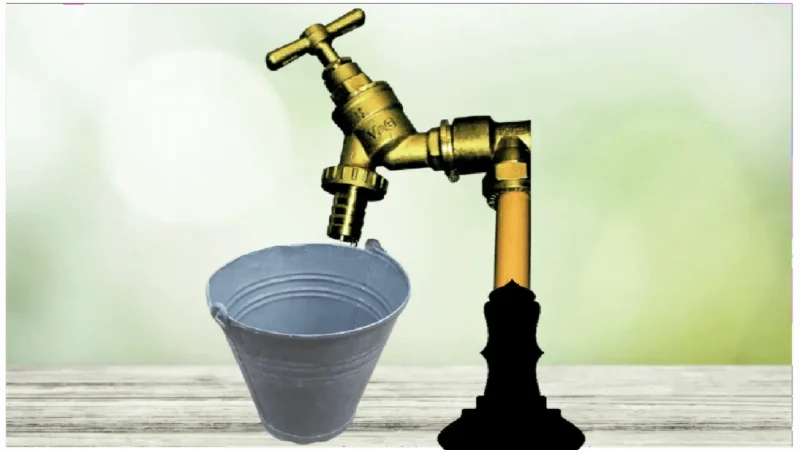
“The board rejected it because of the cost management problem.” The claim has not been independently verified, and the university’s position was not part of the interviews. The accounts therefore leave open whether such a plan existed, who considered it and what it would have cost.
The students’ complaints come as water shortages draw wider media attention. A media outlet published a report on October 6, 2026, titled “Water Crisis Hits Cape Coast and Adjoining Municipalities.” Separately, a media report says some residents have gone over a year without water flowing from their taps.
UCC Engineers Mark World Water Day on Gender Theme
The university community has also turned its attention to water this year. The Department of Civil and Environmental Engineering (DCEE) of the School of Sustainable Engineering held its 2026 World Water Day celebration on the theme “Water and Gender.”
The occasion highlighted the importance of water access for women and girls and advocated equal opportunities in water management.
The department outlined several activities, including a quiz competition for selected basic schools in the Cape Coast metropolis, a panel discussion, a presentation on the theme, and a sketch by the Ghana National College.
Together, the activities were geared towards showing that access to water directly empowers women and girls, who shoulder the primary burden of water scarcity.
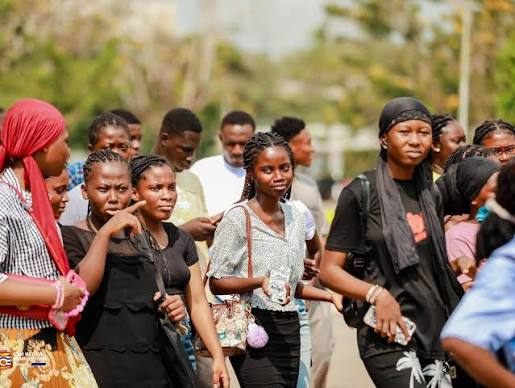
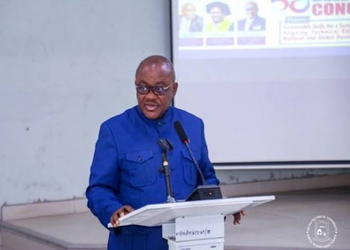
In his welcome address, the Head of DCEE, Prof. Ebo Duncan, stressed the importance of water to human life and development. He explained that the effects of water scarcity are not the same for everyone, because women and girls often carry the heaviest burden.
Questions That Remain
The two interviews paint a consistent picture of frustration, but they leave key questions unanswered. Students have not heard whether the university will revisit the idea of its own boreholes. They also have no public explanation from the Ghana Water Company Limited about the technical issues one student described.
For now, students at the university continue to live with the shortage, and the call for a lasting fix rests on whether management and the utility respond.
READ ALSO: IMANI PULSE Finds Mahama Sentiment Almost Perfectly Balanced