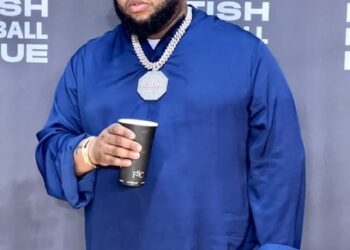
Ghanaian actor and filmmaker Joseph Van Vicker has filed a defamation suit against fellow actor and comedian Kwadwo Nkansah, popularly known as Lil Win, at the High Court in Accra. He is seeking GH¢10 million in exemplary damages over statements made in a social media video.
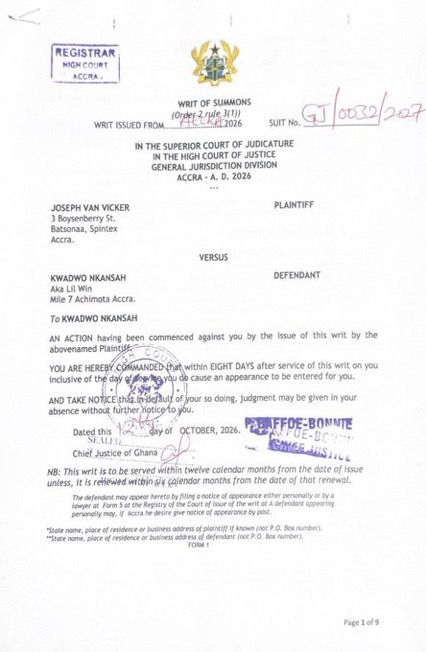
The writ of summons and statement of claim, dated October 10, 2026, name Van Vicker as the plaintiff and Lil Win as the defendant. Court documents show that Van Vicker is asking the court to declare the statements in the video libellous and defamatory.
In addition to the exemplary damages, he is claiming general damages for libel, the cost of the legal action, a public retraction, and an apology to be published on news portals with the same prominence as the original material for four consecutive weeks.
Origin of the Case
The case stems from a video published on TikTok and Facebook around August 13, 2026, under a headline indicating that Lil Win had banned Van Vicker from acting in Kumasi. According to the statement of claim, the video allegedly portrayed Van Vicker as dishonest, unprofessional and unreliable. It suggested that he accepts film roles but fails to appear for productions and ignores producers seeking clarification.
Van Vicker contends that the publication subjected him to public ridicule, embarrassment and reputational harm beyond a simple industry disagreement.
In the court filings, Van Vicker describes himself as a respected actor, producer and director whose career spans Ghallywood, Nollywood and Kumawood. He argues that the statements damaged his professional standing and created the impression that he is unfit to work in the Kumasi film industry.
The writ requires Lil Win to enter an appearance within eight days of being served, inclusive of the day of service. Failure to do so could result in judgment being entered in his absence.
At the time the documents became public on October 13, Lil Win had not issued a public response to the lawsuit. The matter remains before the High Court, General Jurisdiction Division, and no ruling has been made on the allegations.
The dispute appears to have originated from disagreements surrounding a film project. Earlier in August, Van Vicker had publicly rejected claims that he withdrew from a production at the last minute, stating that he never formally accepted the role, confirmed shooting dates or finalised fees. Lil Win’s subsequent video is at the centre of the current legal action.
About the Plaintiff and Defendant Involved
Both men are well-known figures in Ghanaian entertainment. Van Vicker has built a career across multiple film industries in West Africa and is recognised for his work as an actor and filmmaker. Lil Win is a prominent Kumawood actor, comedian and producer known for his popular films and public persona. The case adds to a series of high-profile legal matters involving personalities in the Ghanaian movie industry in recent years.
Defamation suits of this nature typically require the plaintiff to prove that the statements were published, referred to them, and caused damage to their reputation. The defendant may raise defences such as truth, fair comment or privilege. The court will determine the facts once both sides present their arguments.
The filing of the suit does not establish that defamation occurred. The claims remain subject to the full legal process, including any possible defence, mediation or trial. Legal observers note that such cases can take months or longer to resolve, depending on court schedules and whether the parties attempt settlement.

For now, the High Court has the formal documents before it. Van Vicker’s legal team, led by counsel from Truth Legal, has outlined the reliefs sought in detail. Lil Win is expected to respond within the timeframe set by the writ once properly served.
The case has drawn attention across Ghana’s entertainment circles, given the public profiles of both actors and the significant sum being claimed. As proceedings continue, further details may emerge through court filings or statements from either side. Until then, the matter stands as a formal legal dispute centred on the content and impact of a social media video released in August.
READ ALSO:Education Minister: Agbenyo’s Appointment Constitutionally Appropriate