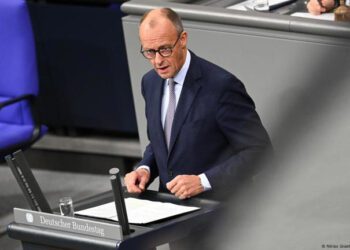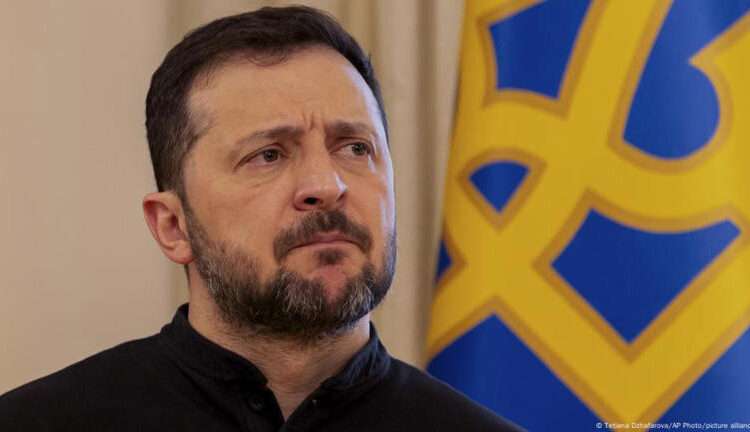
Ukrainian President, Volodymyr Zelenskyy has asked the European Union for an additional €70 billion next year to support Ukraine’s defence against Russia, warning that Kyiv faces mounting financial pressures as the war continues.
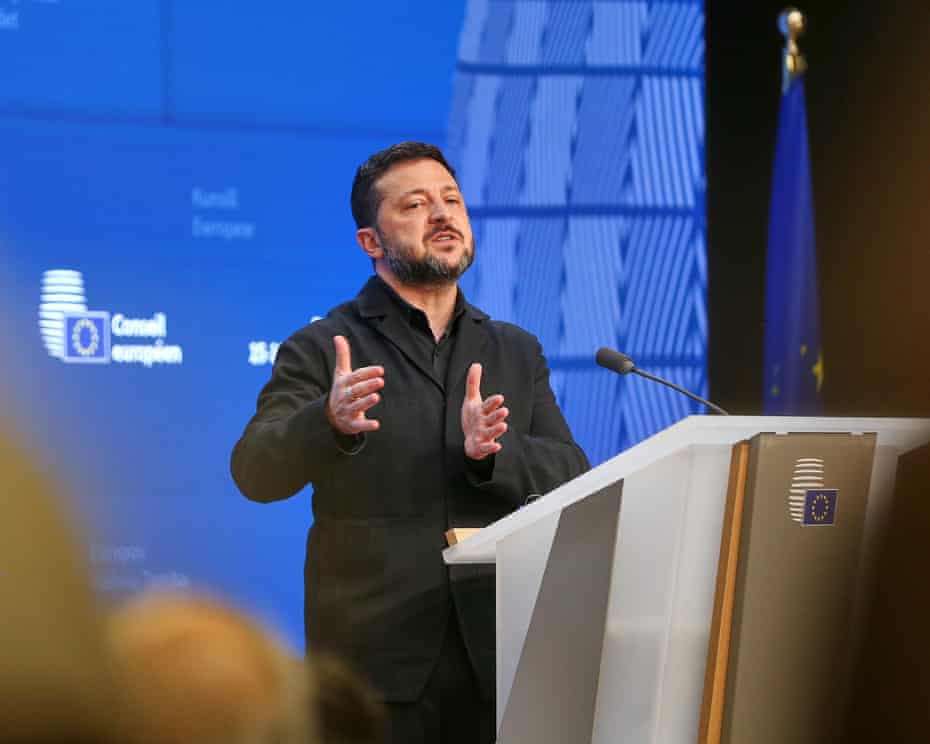
Addressing European leaders, Zelenskyy made an approximate cost for the war next year and called for additional European assistance to fund weapons procurement, military operations and the country’s resilience.
“The war will cost 155 billion euros next year, and we need at least 70 billion euros more from you for defence, for weapons, and for our resilience. This is a realistic, yeah, a realistic amount.”
Volodymyr Zelenskyy
Zelenskyy urged EU leaders to identify the funding needed to sustain Ukraine’s military capabilities, arguing that additional support would help the country contain Russian advances and strengthen its position on the battlefield.
He also called for Ukraine’s defence requirements to be incorporated into the bloc’s next long-term budget, warning that the country’s security contribution was not adequately reflected in current planning for the period beginning in 2028.
The appeal comes as European governments consider how to maintain financial and military assistance to Kyiv while the war continues and questions persist over the long-term availability of international support.
Zelenskyy Highlights Funding Gap For Drone Production
Zelenskyy identified drone technology as a critical component of Ukraine’s defence strategy, saying unmanned systems were helping Ukrainian forces repel Russian assaults and disrupt supply lines.
He argued that additional funding would allow Ukraine to expand domestic drone production significantly, increasing pressure on Russian forces and weakening Moscow’s economic capacity to sustain the war.
“Right now, we could produce two or three times more drones, depending on the type. But we simply, simply, don’t have enough money for that.”
Volodymyr Zelenskyy
The Ukrainian President urged European leaders to recognise that investment in Ukraine’s military capabilities would also contribute to the security of the wider continent.
He warned that Russia could remain a security threat for years, arguing that Russian President Vladimir Putin was preparing the country for a prolonged confrontation. “We believe this war will be over as soon as possible, but Putin plans to stick around much longer,” Zelenskyy said.
He compared Russia’s direction to that of North Korea, claiming that children were being raised from an early age for war and to die for their leader.
Zelenskyy maintained that Ukraine’s armed forces, military technology and defensive capabilities were essential not only to its own survival but also to European security.
“These security guarantees are not yet reflected as we think in your budget from 2028 onward. So let’s get serious about it. Let’s work out exactly how Ukraine’s defence capabilities should be included in that budget.”
Volodymyr Zelenskyy
The EU is currently providing regular payments to Ukraine through a €90 billion funding plan agreed last December. The arrangement was intended to cover approximately two-thirds of Kyiv’s civilian and military financing needs for 2026 and 2027.
The remaining third was expected to come from other international partners, including the United Kingdom, Canada, Norway and Japan.
However, concerns about another potential funding shortfall have renewed discussions over how Ukraine’s future financial requirements can be met.
Frozen Russian Assets Return To Funding Debate
The prospect of a renewed financial crunch has also brought the EU’s frozen Russian assets back into discussions about financing Ukraine’s defence.
Approximately €210 billion in Russian assets are frozen within the European Union. The bloc currently uses profits generated by the assets to support Ukraine but opted last year against directly using the underlying funds, choosing instead to pursue an EU-backed €90 billion loan.
Belgium, which holds the vast majority of the frozen Russian funds, remains strongly opposed to using the assets themselves. Its concerns centre on the possibility that the arrangement could fail and leave the country carrying significant financial liabilities.
Zelenskyy suggested that an alternative arrangement could help address those concerns by placing the funds under a specially established European mechanism.
“We need something like a special EU-controlled custodian to reduce the risk of them being unfrozen and divided up among those who clearly do not want what is best for Europe or an end to this war.”
Volodymyr Zelenskyy
His proposal adds another dimension to the debate over how the EU can mobilise resources for Ukraine without exposing individual member states to unacceptable financial risks.
Zelenskyy Renews Criticism Of US-Russia Diesel Agreement
Zelenskyy also renewed his criticism of a US-Russia diesel agreement, warning that easing sanctions could encourage Moscow to seek further relief from international restrictions. “We warned that if sanctions are eased … anywhere in Europe, others will quickly … take advantage of it, and now we can see how cash will start flowing back into Russia through the diesel deal,” he said.
He argued that the agreement would provide Russia with additional revenue to finance its military campaign, while failing to compensate for the effects of disruptions around the Strait of Hormuz on global markets.
The Ukrainian President called on the EU to adopt a strong 22nd package of sanctions against Russia, urging the bloc to target companies and individuals involved in producing Russian ballistic missiles, advanced communications systems and drones, as well as those connected to Russia’s financial system.
The appeal places renewed pressure on European leaders to sustain economic restrictions against Moscow while addressing Ukraine’s growing military and financial requirements.
With Kyiv seeking billions of euros in additional assistance, stronger sanctions and a new framework for frozen Russian assets, the EU faces further decisions over how to maintain Ukraine’s defence capabilities and support European security beyond its current funding arrangements.
READ ALSO: Sánchez Rules Out Moroccan Role In Ceuta Migrant Surge