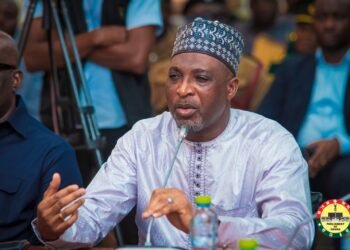
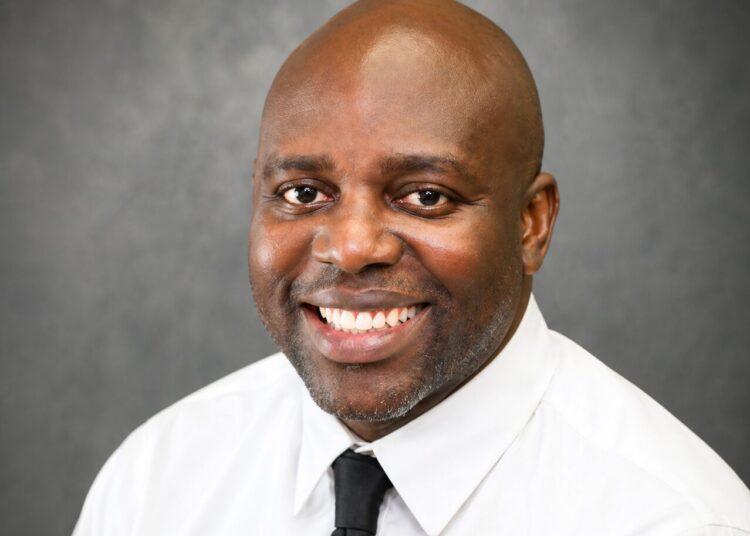
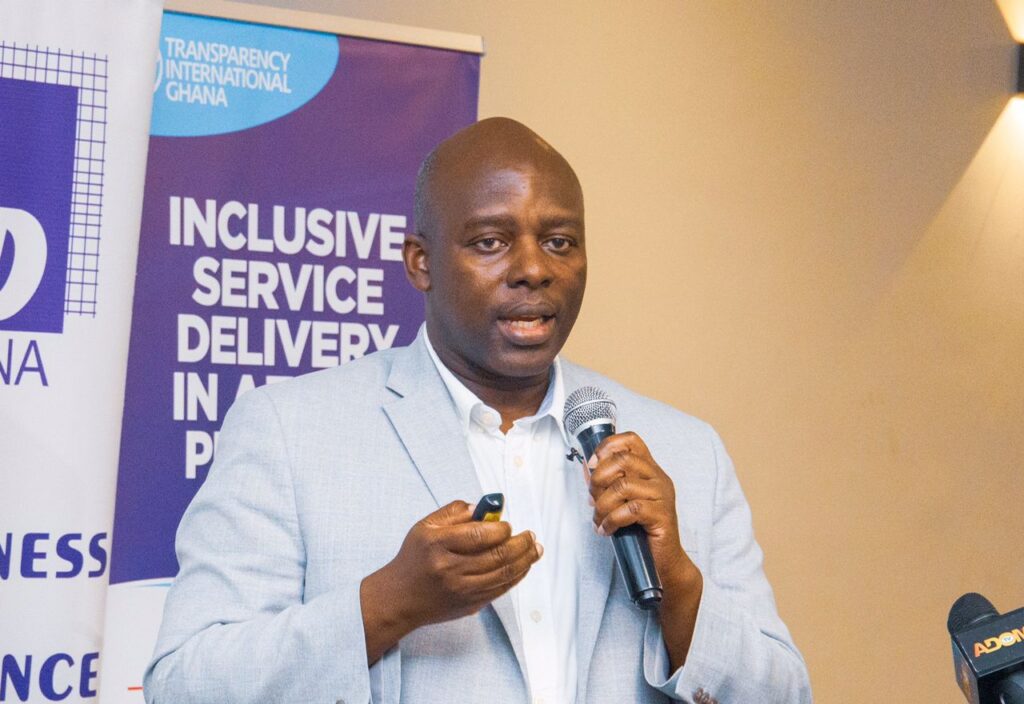
Political scientist Dr John Osae-Kwapong has urged Ghana to change the way it appoints heads of independent institutions, warning that partisan appointments will keep returning under every government.
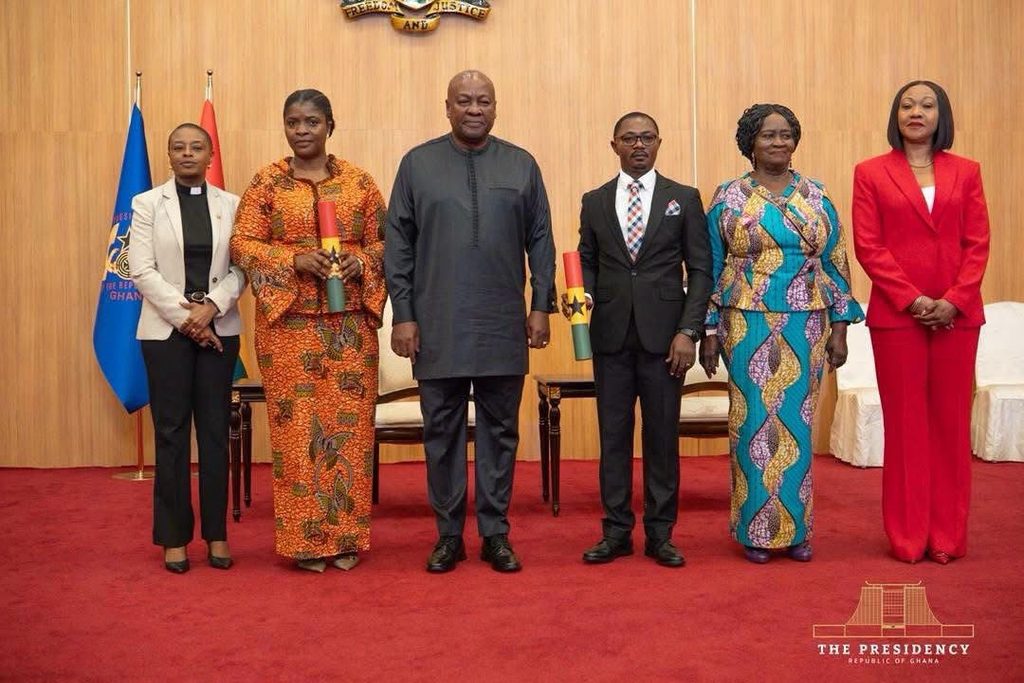
The CDD-Ghana Fellow and Director of the Democracy Project made the case in an exclusive interview with The Vaultz News after President John Dramani Mahama swore in two new Electoral Commission (EC) Deputy Chairpersons on October 12, 2026.
He argued that the NDC and the NPP simply swap arguments whenever power changes hands, so neither side’s outrage solves anything. He wants the government to revisit the Constitution Review Committee’s proposal for open, merit-based recruitment with parliamentary vetting, a proposal the government rejected.
“If we are really troubled that we don’t want partisans being appointed to these institutions, then we have to just change the process by which we appoint these persons.”
Dr John Osae-Kwapong, Political Scientist, CDD-Ghana Fellow, and Director of the Democracy Project
A Familiar Row Over EC Appointments
President Mahama swore in Dr Joseph Kwaku Asamoah and Emelia Afi Agbenyo to fill vacancies left by the resignation of Dr Bossman Eric Asare and the retirement of Samuel Tettey. The President charged the new deputies to act fairly and impartially, and he insisted that neither his government nor the NDC should receive preferential treatment.
Ms Agbenyo’s selection drew immediate fire. The NPP’s Director of Communications, Dennis Miracles Aboagye, cites Facebook posts and messages attributed to her that he argues show open support for the NDC in 2024.
Those remain claims from the opposition. The NDC’s Deputy Director of IT and Elections, Rashid Tanko, counters that the new deputies are competent and qualified.
The Vaultz News put the wider problem to Dr Osae-Kwapong. Governments defend such appointments as an exercise of constitutional powers, while oppositions demand fairness and candour.
The Roles Switch, the Arguments Stay
Dr Osae-Kwapong recalled that the cycle ran the other way under former President Nana Akufo-Addo. NDC partisans protested his appointments loudly, while NPP partisans defended them, and their stock reply to critics asked, “are they not Ghanaian? Are they not qualified?”
Then power changed hands. In his account, the NPP now uses the criticisms the NDC once made, and the NDC now repeats the defences the NPP once offered. Both parties, he suggested, argue from where they stand rather than from principle.

His remedy targets the system rather than any single nominee. He argued that Ghana should “scale back a bit from the president’s appointment powers” so that Ghanaians stop having a recurring partisan row over who sent whom to which institution. Civil society, he noted, keeps voicing its own concerns while the parties trade blows.
What the Prempeh Committee Proposed
Dr Osae-Kwapong praised the Constitution Review Committee chaired by Professor Kwasi Prempeh for giving the country “a really good recommendation” on how to end the impasse. The proposals reached beyond the EC. They covered appointments of chief executives and deputies at state owned enterprises and quasi state bodies as well.
With the EC model, candidates would apply through an open, merit based process, Parliament would vet them and recommend from among the top qualified applicants, and office holders would serve a single ten year term. However, the government’s position paper rejected the proposal.

Asked whether the government should think again, Dr Osae-Kwapong answered without hesitation. “Absolutely,” he stated. He acknowledged that the government has made its position clear, yet he pointed out that the country is now in the implementation phase of the recommendations, and he is convinced that “it wouldn’t hurt for us to go back and rethink that proposal.”
He did not oversell the model. In his view, “it may not be perfect, but it gives us a good way out of this constant cycle.” The Implementation Committee began work in September and targets a November timeline, which leaves a narrow window for any revision.
The Lesson Partisans Draw
Dr Osae-Kwapong warned that leaving the status quo in place carries a cost. He described asking a partisan friend what lesson the episode teaches, and the reply troubled him. “Next time when we are back in power, we should fill independent constitutional bodies with partisans.”
If that becomes the rule of the game, he cautioned, “this won’t be the last of this conversation.” Each change of government would then bring another round of accusations about tilting an institution’s balance and another round of resetting it.
The Vaultz News reported earlier on the swearing-in, a new deputy chair’s pledge of national interest and electoral reform, and a defence of the appointment as constitutionally appropriate.
The NDC’s defence has also pointed to former President Akufo-Addo era appointments, among them Dr Bossman Asare and Dr Peter Appiahene, whose alleged NPP links NDC figures raised at the time.
Dr Osae-Kwapong’s argument gives both parties a reason to act. Whoever wins the next election inherits the same appointment powers, and the Constitutional Review Implementation Committee still has time to decide whether those powers stay as they are.
READ ALSO: PSG Halt Barcelona’s Winning Run in Six-Goal Thriller