The Motor Traffic and Transport Department (MTTD) has reported reductions in road crashes, vehicles involved in collisions and fatalities in September 2026.
ACP Alexander Kwaku Obeng, Director of Education, Research and Training at the MTTD, attributed the encouraging figures partly to motorists becoming more conscious of speeding and the likelihood of electronic detection.
According to the figures he presented, reported crashes fell from 1,108 in September 2025 to 1,003 in September 2026, representing a 9.48 percent reduction. The number of vehicles involved in crashes also declined from 1,928 to 1,693, while recorded injuries fell from 1,405 to 1,194, equivalent to a 15.02 percent decrease.
“When we ramped up and optimised our efforts, enhanced sensitisation, deployed our interventions, gathered evidence and confronted vehicle owners with it, we were able to make a difference. One death is too many, and when we are able to save even one life through these efforts, we must talk about it.”
ACP Alexander Kwaku Obeng
The intervention combines mobile cameras, digital evidence collection and direct notifications to encourage motorists to comply with speed limits before penalties are imposed.

The MTTD director further reported that road fatalities declined by 7.82 percent, from 243 in September 2025 to 224 in the corresponding month of 2026. Motorcycle-related crashes also decreased from 526 to 487, representing a 7.41 percent reduction.
Reflecting on these developments, ACP Obeng posited that the figures demonstrate the potential of technology-assisted enforcement to influence driving behaviour. He explained that drivers who receive “caution notices containing details of their alleged violations are more likely to recognise the consequences of speeding and adjust their conduct.”
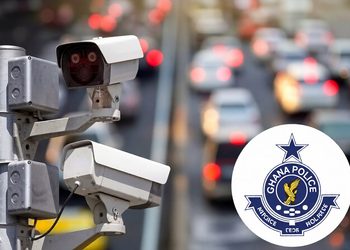
The strategy relies on mobile cameras installed in unmarked police vehicles, alongside equipment that officers can reposition on tripods. Consequently, motorists cannot rely on the absence of visible enforcement officers to assume that their speed will go undetected.
Meanwhile, the MTTD continues to conduct public education through transport terminals, schools, religious congregations and engagements with transport operators. ACP Obeng emphasised that sensitisation remains important because sustainable road safety requires drivers to comply voluntarily with traffic regulations.

He also highlighted that speeding contributes significantly to road fatalities, making compliance with prescribed limits particularly important in built-up areas and on highways. Drivers are expected to exercise caution and observe the applicable limits even when no camera is immediately visible.
MTTD Explains TraffiTech GH Caution Notices Amid Scam Concerns
The Motor Traffic and Transport Department (MTTD) has clarified how motorists can identify its official Traffitech GH caution notices, following suspicious traffic-related text messages circulating among vehicle owners.
The clarification comes as the police intensify efforts to familiarise motorists with the electronic ticketing system ahead of its planned November 1 commencement.
ACP Obeng emphasised that the current caution notices do not impose fines and that vehicle owners should examine the sender information and accompanying evidence before taking action.
“Our caution notices, which bear same resemblance with our actual electronic notices of violation in accordance with the regulation starts with a sender ID with GPS MTTD.”
ACP Alexander Kwaku Obeng
ACP Obeng explained that official messages also include the vehicle registration number, the owner’s name, and the date, time and location of the alleged offence.
They also contain the warning “Speed kills, reduce it now” and a link through which recipients can view the corresponding photographic and audiovisual evidence.
He cautioned motorists against paying money in response to the current warning messages, clarifying that no fine has been imposed at this stage. The notices are intended to alert drivers to recorded speeding incidents and warn them that subsequent violations may attract the prescribed penalties once formal enforcement begins.

In addition to identifying legitimate messages, the MTTD is using the caution period to educate motorists about the system’s purpose and procedures. ACP Obeng reported that “more than 200,000 caution notices” have been issued since the department began the exercise, with approximately 24,000 sent to vehicle owners from September 10 by the end of that month.
The director also cited feedback from motorists who shared their experiences on social media, suggesting that the warnings are reaching drivers and prompting discussion about their conduct on the road. In view of this, the department is using the feedback to support its efforts to discourage repeat speeding offences.
Meanwhile, public education is a central component of the rollout, with police officers engaging transport operators at regional terminals and conducting sensitisation activities in schools and religious communities. These efforts are intended to help motorists understand both the purpose of the notices and the steps they should take when receiving one.
Under the system, formal electronic notices of violation will allow vehicle owners to respond to recorded offences through the digital platform. Motorists who dispute an allegation can indicate their intention to contest it, while those who receive a caution notice during the preparatory period are not required to pay a fine.
READ ALSO: Mining Investment Destination: Ghana Woos Global Investors at IMARC 2026