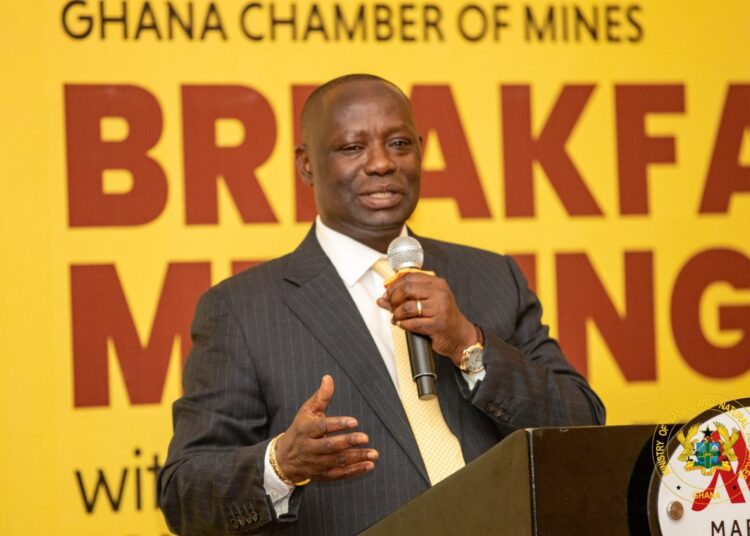
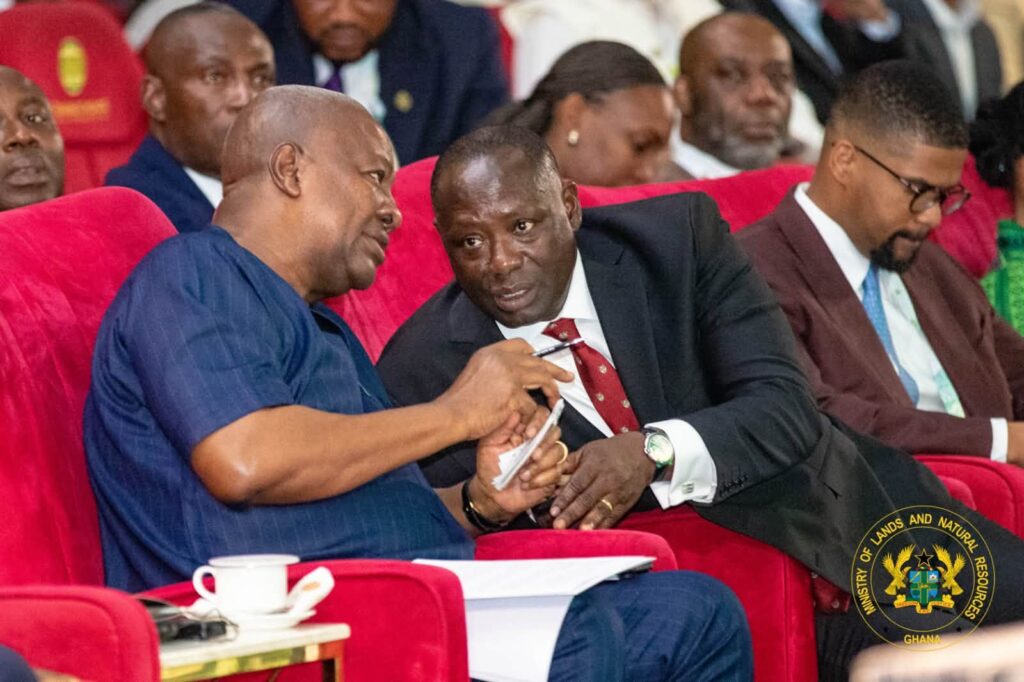
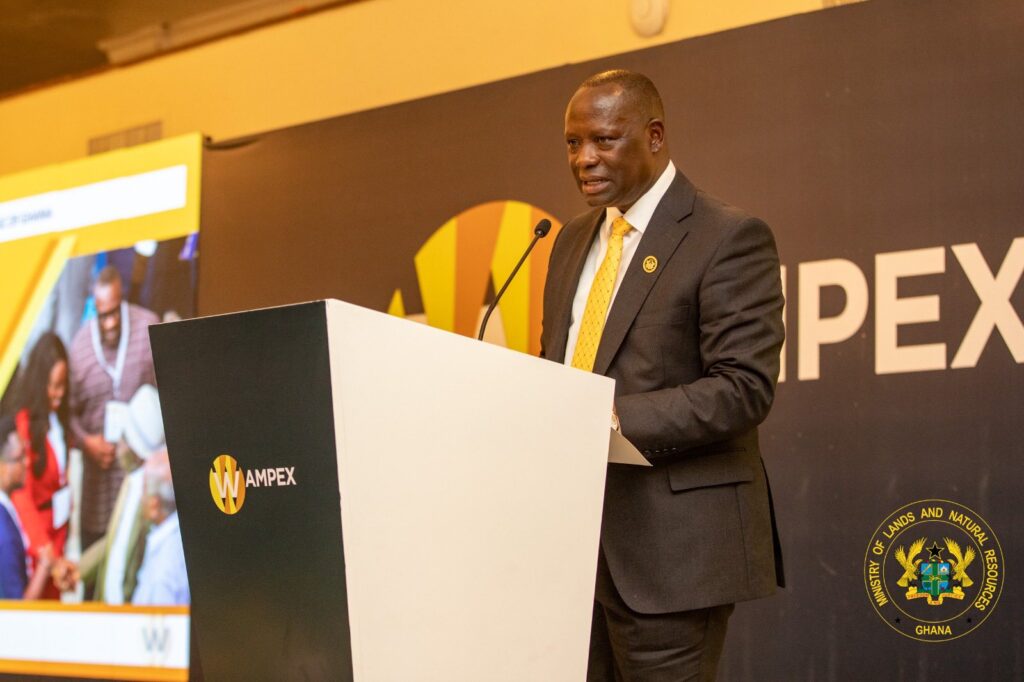
Hon. Emmanuel Armah Kofi-Buah, Minister of Lands and Natural Resources, has rallied key local government officials, traditional leaders, and environmental policymakers to execute a decisive, decentralized campaign against illegal mining, widely known as galamsey.
Speaking at a critical, high-level national conference in Kumasi, the Minister spearheaded an intense strategy session designed to shift administrative control of environmental protection directly to local communities.
The national dialogue brought together regional ministers, Metropolitan, Municipal, and District Chief Executives (MMDCEs) from across the country, alongside key environmental stakeholders and traditional custodians led by the President of the National House of Chiefs, Ogyeahoho Yaw Gyebi II.
“Today in Kumasi, we convened a critical, high-level national conference dedicated to eradicating the menace of illegal mining (galamsey), bringing together regional ministers, all MMDCEs from across the country, key stakeholders and traditional leaders led by the President of the National House of Chiefs, Ogyeahoho Yaw Gyebi II.”
Hon. Emmanuel Armah-Buah
Expanding on this decentralized agenda, the convention established a unified front to dismantle illegal mining operations by empowering municipal and district assemblies with enhanced authority.
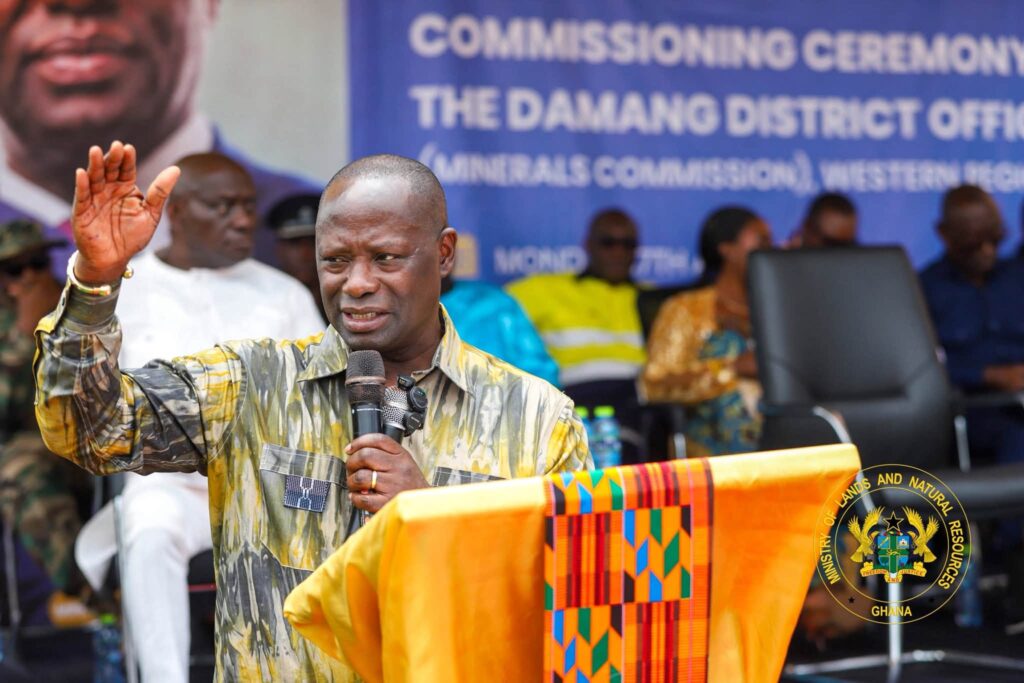
Recognizing that grassroots enforcement remains the most viable pathway to curb environmental degradation, state authorities resolved to position local assemblies at the absolute forefront of anti-galamsey enforcement.
Hon. Emmanuel Armah Kofi-Buah expressed immense gratitude to Hon. Mahama Ayariga, Minister for Local Government, Chieftaincy and Religious Affairs, alongside Dr. Zanetor Rawlings, Minister for Environment, Science and Technology, for their collaborative leadership in organizing the summit.
The multi-sectoral alliance underscores the government’s holistic operational framework, which links local governance, environmental oversight, and community leadership to enforce regulatory compliance across Ghana’s mining districts.
The Escalating Threat of Unregulated Extraction
The imperative for this high-level intervention stems from the devastating ecological and socio-economic toll exacted by uncontrolled extractive activities across Ghana’s gold-bearing regions.
Over the past two decades, unregulated small-scale gold mining has degraded vast tracts of arable agricultural land, destroyed cocoa farms, and polluted major water bodies, including the Pra, Ankobra, and Birim rivers.
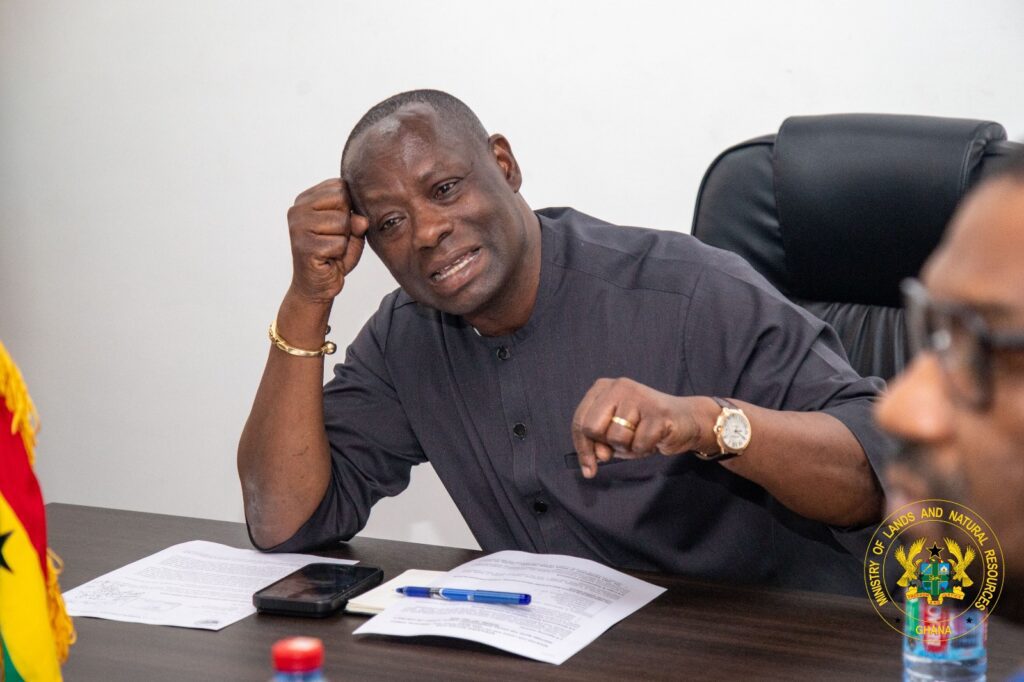
The heavy reliance on toxic chemicals such as mercury and cyanide during illicit processing has poisoned aquatic ecosystems, posed severe public health risks to surrounding settlements, and dramatically inflated the cost of municipal water treatment.
Beyond physical ecological destruction, galamsey operations have contributed to severe forest reserve depletion, subverted tax revenues, disrupted local rural economies, and created security vulnerabilities across local communities.
Shifting Strategy Toward Decentralized Enforcement
Previous national interventions to suppress illegal mining often failed due to over-centralized operational structures and inadequate local institutional enforcement.
Historically, anti-galamsey initiatives relied heavily on military-police task forces deployed from the national capital, which yielded temporary relief but failed to establish long-term community compliance.
The current policy reform championed by Hon. Emmanuel Armah Kofi-Buah seeks to address these systemic vulnerabilities by embedding accountability within local governance structures.
By directly charging MMDCEs who serve as chairs of District Security Councils (DISEC) with monitoring, reporting, and enforcing mining laws within their administrative domains, the Ministry establishes a continuous surveillance mechanism.
Decentralizing enforcement ensures that local authorities possess both the administrative mandate and logistical resources necessary to halt illegal operations before they cause irreversible ecological damage.
Institutional Synergy and the Role of Traditional Custodians
Sustaining a resilient front against environmental degradation requires absolute alignment between state administrative structures and traditional chieftaincy authorities.
Because stool lands are held in trust by traditional rulers on behalf of local communities, the active involvement of the National House of Chiefs under Ogyeahoho Yaw Gyebi II represents a pivotal milestone for extractive governance.
By unifying the policy mandates of the Ministry of Lands and Natural Resources, the environmental oversight of Dr. Zanetor Rawlings’ ministry, and the grassroots administrative reach of Hon. Mahama Ayariga’s local government apparatus, the initiative constructs an integrated framework.
Combining traditional land guardianship with legal district authority creates a comprehensive deterrent against illegal mining, establishing a sustainable path toward responsible, environmentally safe mineral extraction.
READ ALSO: Tenerife Striker Jesús de Miguel Dies After Collision With Goalkeeper