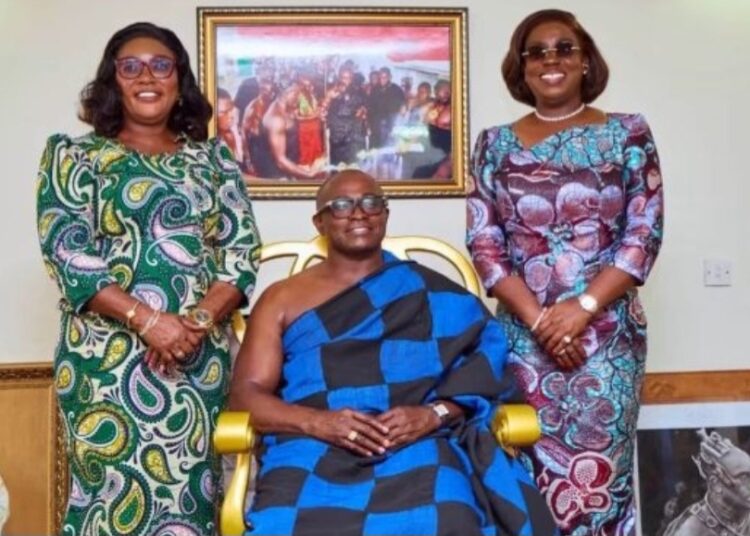
The New Juaben Traditional Area has pledged its full support to the Ghana Medical Trust Fund (GMTF) and set out three expectations for it. It wants the Fund to ease the burden of crippling medical bills, bring specialised healthcare closer to the people and shield families from the financial hardship of chronic diseases.
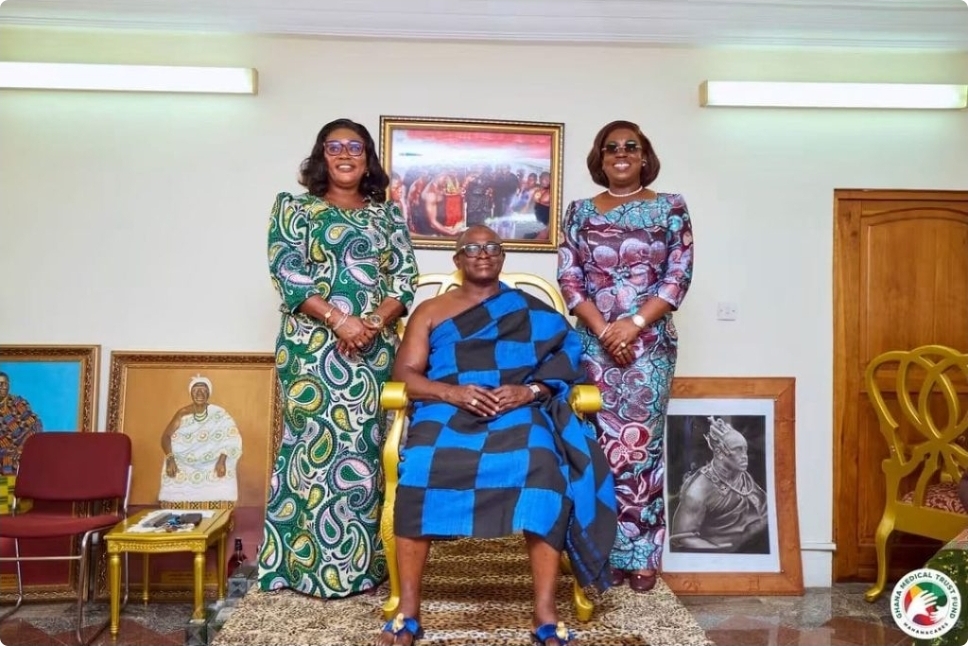
The pledge and the expectations were made during the Fund’s Eastern Regional sensitisation tour in Koforidua, according to accounts released by the GMTF’s Corporate Communications unit on November 3, 2026. The Administrator, Adjoa Obuobia Darko-Opoku, paid a courtesy call on the Omanhene, Daasebre Kwaku Boateng III, and addressed a town hall meeting.
Omanhene pledges chiefs’ backing for the Fund
Daasebre Kwaku Boateng III described the GMTF as a “timely intervention that would bring hope and relief to families battling the high cost of specialised healthcare.” He stated that it was a significant step towards making life-saving treatment accessible to Ghanaians living with chronic and non-communicable diseases (NCDs), particularly those who struggle to afford it.
He welcomed the management’s decision to engage traditional authorities, noting that chiefs hold influential positions in their communities. They could help mobilise public support and educate citizens about the initiative, he affirmed.
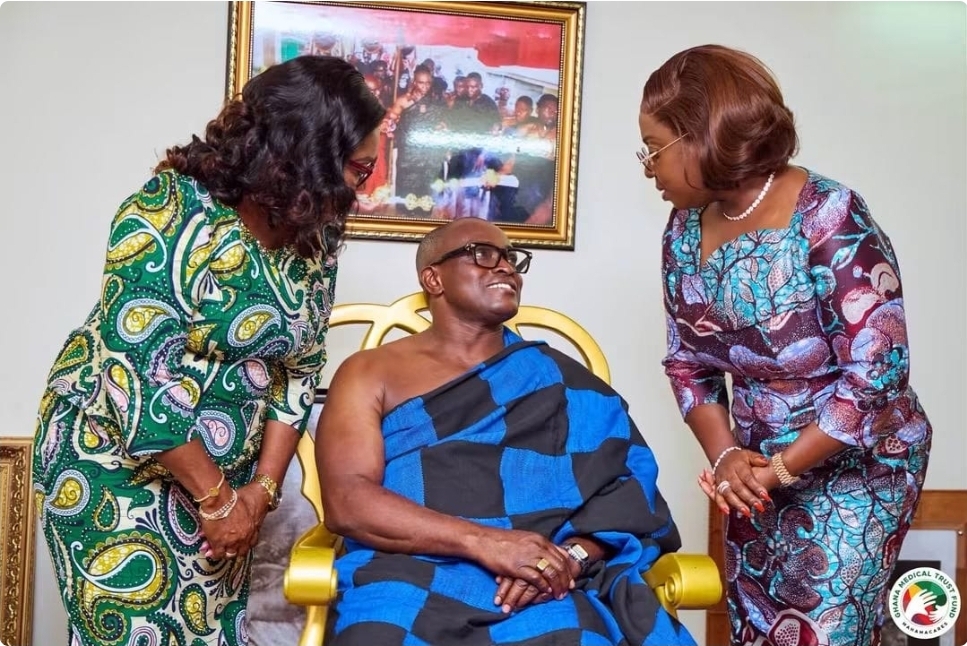
The Omanhene compared the intervention introduced by President John Dramani Mahama to healthcare support systems in developed countries. He expressed confidence that it would make a meaningful difference to many families, and he assured the Administrator that he would mobilise the traditional leadership behind the Fund.
Santahene sets three tests for the GMTF
At the town hall, the Santahene of New Juaben, Dr Nana Agyeman Boateng Kwagyan I, represented the Omanhene. He mentioned that the Fund’s success should be measured by three outcomes: meaningful financial relief for families, better access to specialised treatment regardless of location, and protection for households from being impoverished by the cost of managing NCDs.
He then noted that an intervention was urgently needed so that no family was “pushed into poverty” simply because a loved one needed specialised care. Dr Kwagyan commended the President and Parliament for establishing the Fund under Act 1144. He described it as capable of transforming access to specialised healthcare. He stressed, however, that its benefits must reach every Ghanaian, irrespective of location or financial circumstances.
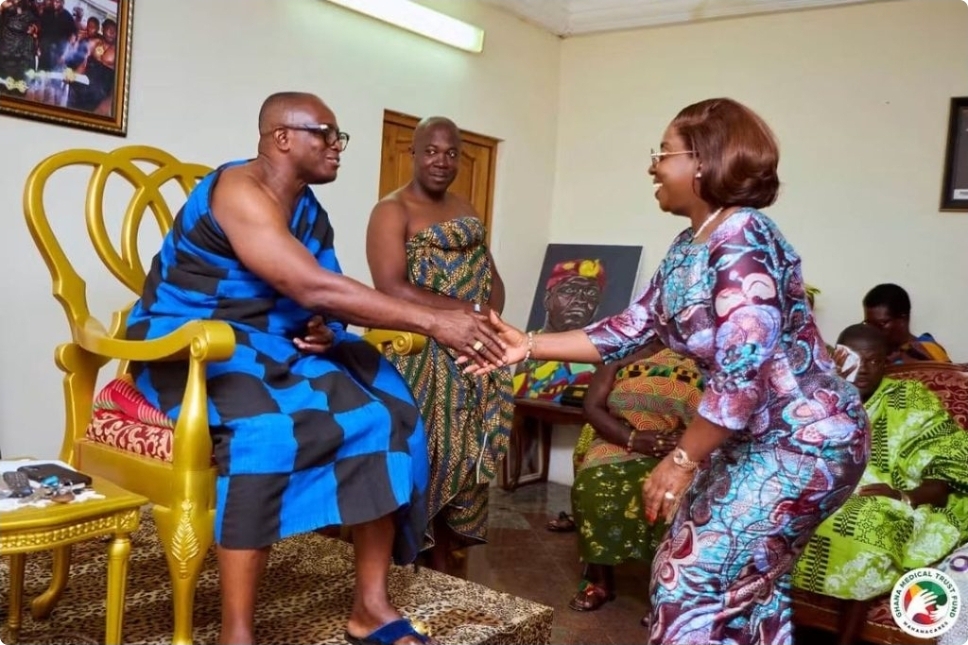
He assured GMTF management of the traditional area’s full support. He also appealed to individuals and corporate organisations to back the Fund, expressing optimism that better access to treatment would lead to longer and healthier lives.
Administrator reports 800 patients supported
Ms Darko-Opoku announced that the Fund followed a legislative process initiated by President Mahama and ended with the passage of the Ghana Medical Trust Fund Bill into law. It was set up to give financial assistance to people with NCDs who face significant barriers to specialised treatment.
She disclosed that the Fund had supported more than 800 patients in its first year of operations and that management was intensifying public education and decentralising its operations. This was so that more Ghanaians understood its mandate, eligibility requirements and application procedures. Patient navigators have been deployed to selected teaching and regional hospitals to guide patients through the application process and link them to care.
She also briefed the Omanhene on ongoing interventions, including the establishment of catheterisation laboratories to strengthen the diagnosis and treatment of cardiovascular diseases.
Ms Darko-Opoku called on traditional authorities, the media, market queen mothers and other community leaders to become ambassadors of the Fund. They would help educate the public, identify eligible patients and encourage them to seek support.
Officials urge stronger hospitals and primary care
The Eastern Regional Minister, Rita Akosua Adjei Awatey, commended the management for taking its public education campaign beyond Accra. She described healthcare as a fundamental pillar of national development and said families were already benefiting from relief against specialised healthcare costs.
The Medical Director of the Eastern Regional Hospital, Dr Sananwie Suntaa Aiden, described the difficulties facing patients with cardiovascular diseases, hypertension and kidney conditions. He stated that many families struggled to afford even basic laboratory investigations. He called the Fund timely and appealed for a dialysis machine to strengthen the hospital’s capacity to manage kidney patients.
The Eastern Regional Director of the Ghana Health Service, Dr Damien Puunguyire, called for collective support for the Fund. He also stressed the need to strengthen primary healthcare and the National Health Insurance Scheme (NHIS) to reduce pressure on the specialised financing intervention.
The Eastern Regional tour forms part of the GMTF’s nationwide stakeholder engagement drive to raise awareness, strengthen institutional partnerships and expand financial support for Ghanaians living with NCDs.
READ ALSO: Gospel Stars Unite for ‘Potters Praise 2026’