Member of Parliament for Ketu North and member of Parliament’s Select Committee on Education, Eric Edem Agbana, has raised concerns in his submissions about the financial burden on parents under Ghana’s basic education system, despite the Free Compulsory Universal Basic Education (fCUBE) policy.
Commenting on an Africa Education Watch report on hidden costs in public basic schools, Agbana argued that the findings expose a persistent gap between the policy’s promise and families’ experiences.
He urged government to increase funding, release resources on time and enforce directives prohibiting unauthorised charges across public basic schools.
“Ultimately, free basic education should mean that no child misses a lesson, is denied an examination or loses an opportunity to progress simply because their parents cannot afford the cost of schooling.”
Member of Parliament for Ketu North and member of Parliament’s Select Committee on Education, Eric Edem Agbana
Agbana expressed concern that nearly two decades after fCUBE’s introduction, parents continue to pay for textbooks, exercise books, desks, examination fees and other basic school requirements.
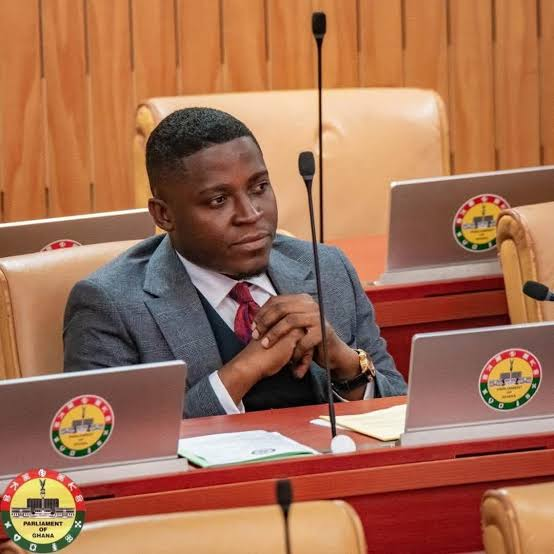
Hidden Costs Persist Under Free Basic Education
He argued that successive governments have maintained a policy whose implementation still leaves households bearing expenses that should not prevent children from accessing public basic education.
The lawmaker was commenting on an Africa Education Watch report based on a survey of 200 parents across 20 districts and 65 public basic schools. Although he believed the research team could have increased its sample size, he considered the findings a useful indication of the challenges confronting families.
“I have been going through the Africa Education Watch report on the hidden costs of public basic education in Ghana, and I think it raises some important issues we cannot afford to ignore,”
Member of Parliament for Ketu North and member of Parliament’s Select Committee on Education, Eric Edem Agbana
Report Exposes Financial Barriers to Learning
Agbana highlighted the finding that 99 per cent of respondents had incurred at least one cost that should ordinarily be covered under the free basic education policy.
He described the figure as evidence of the distance between the policy’s promise and its implementation.
More worrying to him was the finding that 76 per cent of parents reported that their children had, at some point, been denied access to lessons, examinations or other school activities because their families could not meet the costs.
He urged policymakers to consider the consequences, arguing that a child’s access to education should not depend on a parent’s ability to pay charges the policy is intended to eliminate.
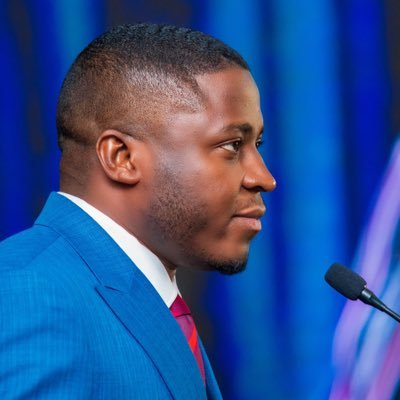
“What I find particularly worrying is that 76% of parents said their children had, at some point, been denied access to lessons, examinations or other school activities because of their inability to meet these costs,”
Member of Parliament for Ketu North and member of Parliament’s Select Committee on Education, Eric Edem Agbana
Funding Gaps and Weak Enforcement
Agbana identified inadequate funding, delayed resource releases, weak monitoring and disregard for Ghana Education Service directives abolishing certain school charges as factors contributing to the problem.
He argued that issuing directives alone would not resolve the situation without effective enforcement. Government, he maintained, must address the financial pressures that leave schools struggling to provide basic services while ensuring that existing rules protect learners.
“The report points to inadequate funding, delays in releasing resources, weak monitoring and the continued disregard for Ghana Education Service directives abolishing certain school charges,”
Member of Parliament for Ketu North and member of Parliament’s Select Committee on Education, Eric Edem Agbana
He called for adequate funding for fCUBE and timely allocation of resources to public schools. He also urged the Ghana Education Service to strengthen accountability and act against those who violate the policy.
While increased allocations would help schools meet basic needs, stronger supervision would be necessary to prevent unauthorised charges from being transferred to parents.
Calls for Increased Education Allocation
Agbana observed that education already accounts for a major share of public expenditure but expressed hope that the upcoming national budget would increase the sector’s allocation.
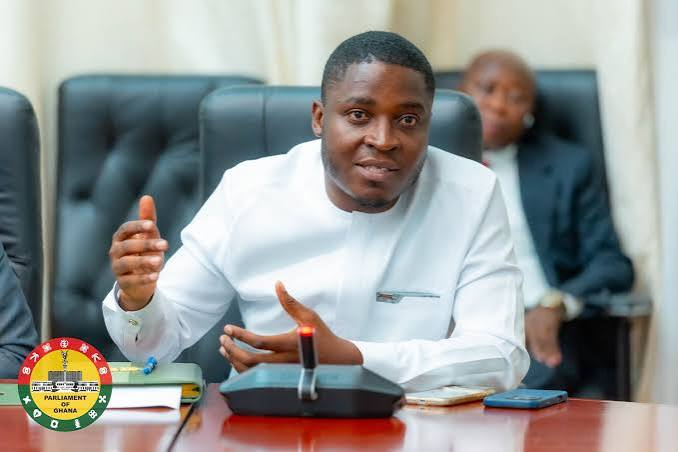
He argued that additional investment must translate into practical support for schools and remove financial barriers to basic education. Timely releases, adequate resources and consistent enforcement, he maintained, are necessary to make the policy effective.
His intervention draws attention to the difference between declaring education free and ensuring that families do not face charges that restrict participation. The report’s findings suggest that the burden remains widespread among surveyed households.
Agbana maintained that financial hardship should not determine a child’s opportunity to learn, sit examinations or progress through school. Government, he urged, must close the implementation gap so that free compulsory basic education becomes a reality for every learner.
He called on authorities to treat the findings as a demand for practical action, combining stronger funding with accountability across the public basic education system.
READ MORE: IMANI Demands Independent Probe Into Beirut Cocaine Bust