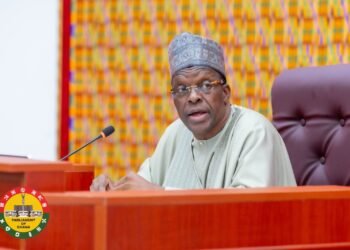
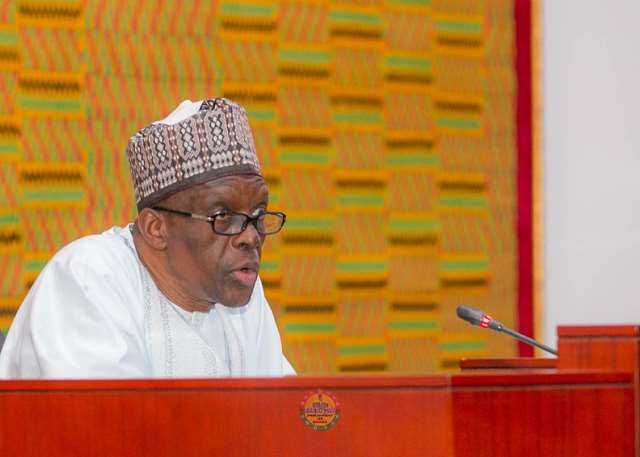
Speaker of Parliament Alban Sumana Kingsford Bagbin has called on Members of Parliament to observe strict punctuality under a new directive fixing 2 p.m. as the ordinary commencement time for parliamentary sittings on Tuesdays, Wednesdays, Thursdays and Fridays.
The Speaker warned that the revised schedule must not become an excuse for further delays, insisting that members must be present and ready to transact business at the appointed time. He linked the directive to the need for discipline, improved attendance, efficient parliamentary proceedings and better use of the House’s working days.
“A certain time of 2 p.m. must mean precisely that. It must not become an invitation to commence proceedings at 3 p.m. or later.”
Speaker of Parliament Alban Sumana Kingsford Bagbin
Addressing Parliament on Tuesday, November 10, 2026, Speaker Bagbin announced that ordinary sittings would henceforth commence at 2 p.m. on Tuesdays, Wednesdays, Thursdays and Fridays.
The decision follows variations in the start of parliamentary proceedings since the revised Standing Orders came into force in January 2024. While the House previously began its ordinary sittings at 10 a.m., proceedings have subsequently started at different times, including noon, 2 p.m. and, on some occasions, 3 p.m.
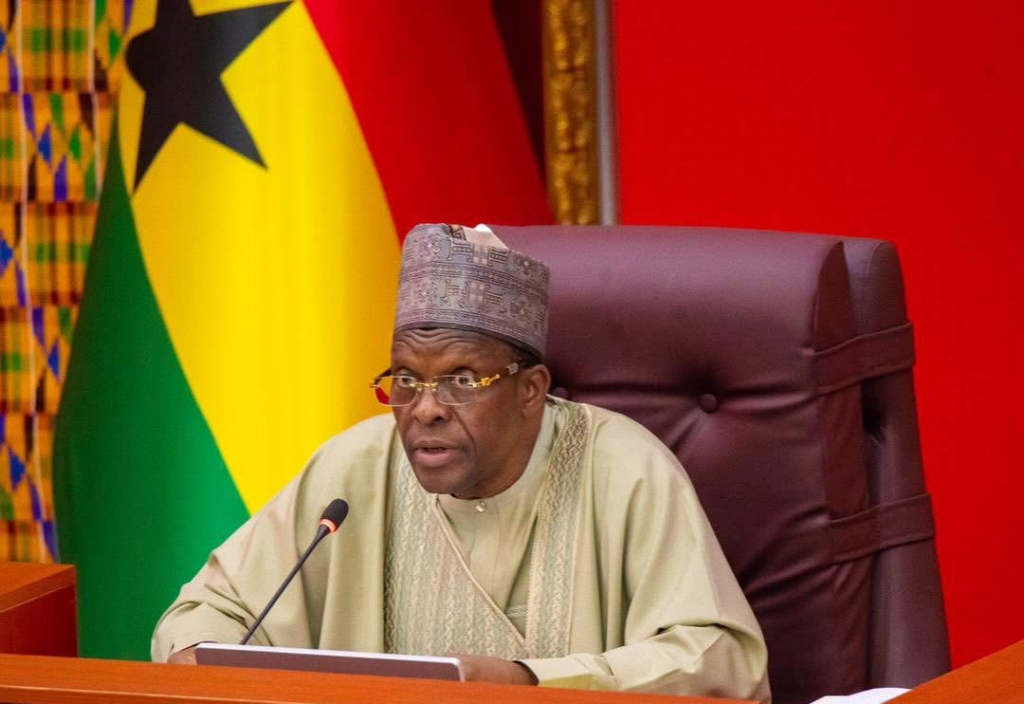
Although the Speaker acknowledged that these variations were largely influenced by the demands of parliamentary business, he maintained that a consistent timetable was necessary to improve planning and institutional efficiency.
However, he emphasised that the success of the new arrangement would depend on the willingness of members to respect the designated commencement time. “Members must be present and ready to commence business at the appointed time,” he stressed, underscoring the responsibility that comes with the introduction of a predictable schedule.
New Timetable Expected to Improve Attendance
Speaker Bagbin identified punctuality and attendance as important considerations behind the decision. He observed that morning traffic congestion places pressure on members, particularly those who travel considerable distances while managing constituency, committee and other parliamentary responsibilities.
According to the Speaker, a 2 p.m. commencement would give MPs greater flexibility to organise their mornings, attend committee meetings and undertake other responsibilities before proceeding to the Chamber.
He expects the arrangement to improve punctuality, strengthen attendance and make it easier for the House to secure a quorum. The new schedule is also intended to remove uncertainty created by the changing commencement times, allowing members to plan their activities around a consistent parliamentary timetable.

However, Speaker Bagbin made clear that the flexibility offered by the new arrangement must be matched by discipline. The fixed start time, he indicated, should ensure that parliamentary business begins as scheduled rather than reproduce the delays the directive is intended to address.
Morning Hours Remain Part of Parliament’s Working Day
The Speaker also clarified that the 2 p.m. commencement does not mean Parliament’s working day begins in the afternoon. Instead, morning hours will remain available for committee meetings and other parliamentary responsibilities.
Speaker Bagbin explained that much of Parliament’s substantive work takes place at the committee level, where bills receive detailed scrutiny, referrals are examined, stakeholders are engaged, and reports are prepared for the consideration of the House.
He expects committees to use the additional morning period to expedite their work and submit reports within the stipulated time. The arrangement is therefore designed to improve the use of parliamentary time by separating the ordinary schedule for committee activities from plenary proceedings.
Speaker Bagbin warned against delays caused by committees failing to complete deliberations or submit reports on time, arguing that their work directly affects the quality and timeliness of decisions taken by the full House.

Bagbin Links Discipline to Parliamentary Efficiency
Beyond members’ attendance, the Speaker connected punctuality to the broader objective of making Parliament more efficient and responsive.
He explained that the absence of a fixed commencement time creates difficulties for the Business Committee, committee chairpersons, the Parliamentary Service, ministers and other stakeholders who must frequently adjust their schedules.
A settled timetable, he argued, would provide a reliable framework for programming parliamentary business and making the necessary administrative and logistical arrangements.
Under the directive, the leadership of the House and the Business Committee are expected to programme bills, motions, committee reports and other matters in accordance with the new schedule. The Clerk to Parliament has also been directed to communicate the arrangement to ministers, relevant public institutions and other stakeholders.
Bagbin Calls for Collective Commitment
In concluding his address, the Speaker urged members to demonstrate collective commitment to punctuality, discipline and the efficient use of parliamentary time.
He maintained that the objective of the directive was to improve the organisation of the House, strengthen committee work, enhance coordination with the Executive and bring parliamentary proceedings closer to the people.

“We cannot seek greater certainty in the commencement of our sittings without accepting the corresponding responsibility to ensure that the House is ready to transact business at the appointed time”.
Speaker of Parliament Alban Sumana Kingsford Bagbin
Speaker Bagbin expressed confidence that cooperation from parliamentary leadership and all members would help strengthen the effectiveness of the House and its contribution to Ghana’s parliamentary democracy.
The new timetable therefore places responsibility on MPs and the parliamentary leadership to ensure that the 2 p.m. commencement is observed consistently, with the Speaker making clear that predictability must be accompanied by discipline and timely execution of parliamentary business.
READ ALSO: Ghana Targets 70% 5G Coverage by March 2027