The Bank of Ghana (BoG) is putting local technological expertise at the centre of its efforts to modernise currency management, unveiling a homegrown software system that is already attracting interest from other central banks.
The innovation, known as the Enterprise Currency Operations Management Software (ECOMS), was developed entirely in-house using the central bank’s own technical expertise and internal resources. Its introduction represents a significant step in Ghana’s efforts to strengthen the systems responsible for managing, processing and distributing physical currency across the country.
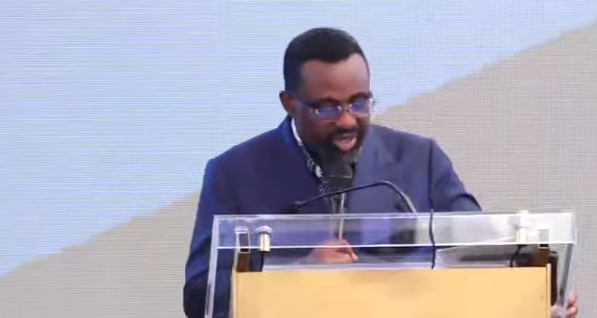
The Governor of the Bank of Ghana, Dr Johnson Pandit Asiama, disclosed the development during the launch of the Ghana Heritage Series banknotes at Bank Square in Accra, where he outlined the institution’s broader strategy to improve currency operations and protect public confidence in the national currency.
Beyond its technological significance, the development has placed Ghana in an increasingly interesting position within the central banking community, with several sister central banks reportedly seeking to learn from the country’s experience.
BoG Takes Currency Management Into Its Own Hands
Developing critical financial technology internally is not always an easy undertaking, particularly for institutions responsible for managing complex national financial infrastructure.
However, the Bank of Ghana has demonstrated its willingness to build solutions using its internal capabilities rather than depend entirely on external technology providers.
Explaining the development, Dr Asiama said the central bank had relied on its own technical personnel and institutional capacity to develop ECOMS.
“And in furtherance of this objective, the Bank has developed what we call the Enterprise Currency Operations Management Software, or in short, ECOMS. And we have done this entirely in-house, leveraging our own technical expertise and internal capacity.”
Dr Asiama
The software has been designed to improve coordination, strengthen operational efficiency and support the effective management of currency operations nationwide.
According to the Governor, the system is expected to help the Bank improve how it coordinates activities associated with the handling and distribution of banknotes, an important responsibility in maintaining an efficient cash management system.
“The aim of that software is to improve coordination, to strengthen operational efficiency, and to support effective currency management across the country.”
Dr Asiama
The significance of the development extends beyond the introduction of another digital system. It demonstrates the central bank’s efforts to strengthen its internal technological capabilities and develop solutions that respond directly to the operational demands of Ghana’s financial system.
Other Central Banks Turn Attention to Ghana
Perhaps the most striking aspect of the announcement is the interest ECOMS has generated beyond Ghana’s borders.
Dr Asiama revealed that several other central banks had expressed interest in the innovation, with some seeking opportunities to understand how the system was developed and how it could inform their own currency management operations. “I am proud to inform you that several of our sister central banks are rushing in just to learn from this innovation,” he said.
The development offers Ghana an opportunity to showcase its institutional and technical capabilities within the international central banking community.
Central banks are increasingly relying on technology to improve operational efficiency, strengthen currency security and ensure that their systems can respond to changing economic and financial demands.
Ghana’s experience could therefore provide useful lessons to other monetary authorities seeking to improve the management of physical currency.
However, the long-term value of ECOMS will ultimately depend on its ability to deliver measurable improvements in currency operations, particularly in coordination, processing efficiency and nationwide distribution.
BoG Upgrades Banknote Processing Technology
While ECOMS represents an important development in the digital management of currency operations, the Bank of Ghana is also strengthening the physical infrastructure used to process banknotes.
Dr Asiama disclosed that the Bank’s currency processing centres were already using advanced banknote processing systems to sort and authenticate notes while identifying those that are no longer suitable for circulation.
These systems play an important role in maintaining the quality and integrity of banknotes used in everyday transactions.
The process enables the central bank to distinguish between fit and unfit notes, ensuring that damaged or unsuitable banknotes are withdrawn from circulation.
This is particularly important because the condition of physical currency can influence public confidence in cash transactions. Worn-out, damaged or excessively soiled notes can create inconvenience for individuals, businesses and financial institutions.
By improving the systems used to examine and process banknotes, the central bank is seeking to ensure that currency circulating within the economy meets the required standards of quality and authenticity.
The combination of locally developed software and upgraded processing technology points to a broader effort to modernise the entire currency management chain.
Ho and Tamale Set for New Cash Centres
Beyond technology, the Bank of Ghana is also looking to expand its physical presence to improve access to currency services outside Accra.
Dr Asiama announced plans to establish additional cash centres at the Bank’s regional offices in Ho and Tamale.
The proposed facilities are expected to bring currency-related services closer to individuals, businesses and financial institutions operating in the Volta and Northern regions.
Currently, the concentration of certain currency operations in Accra can create logistical demands for institutions and businesses that depend on efficient access to cash services.
Establishing additional centres in Ho and Tamale could help address some of these challenges by strengthening the Bank’s regional operational capacity and improving the handling and distribution of physical currency.
The facilities are also expected to reduce the need for some currency-related activities to be concentrated in the national capital.
Although the Bank has indicated that the centres will be established soon, their eventual impact will depend on their operational capacity and how effectively they are integrated into the country’s wider currency distribution network.
Ghana’s Currency Management Enters a New Phase
The Bank of Ghana’s latest initiatives reveal an institution seeking to modernise both the technological and physical foundations of currency management.
ECOMS provides the digital backbone for improved coordination, advanced processing systems strengthen the quality of banknotes, while the proposed cash centres in Ho and Tamale could improve access to currency services across different parts of the country.
The growing interest from other central banks also gives the initiative an international dimension, highlighting the potential of locally developed financial technology to attract attention beyond Ghana.
Ultimately, the real test will be whether these investments translate into faster currency processing, more reliable distribution and improved access to cash services for the public.
Ghana has taken an important step by developing its own currency management software. The challenge now is to turn that innovation into a lasting improvement in the country’s cash management infrastructure.
READ ALSO: Agri-Impact Launch AGRIDAF to Strengthen Agricultural Ecosystem