Ghana’s economic recovery is entering a critical phase, and the 2027 Budget is expected to determine whether the recent gains in macroeconomic stability can translate into stronger businesses, productive investments and sustainable employment.
As Finance Minister Dr Cassiel Ato Forson prepares to steer the country’s economic priorities under the theme “New Economy, New Ghana: Jobs and Prosperity”, Deloitte Ghana has issued a strong warning about the need to protect fiscal discipline while directing public resources towards enterprises capable of generating jobs and expanding economic activity.
In its pre-budget analysis, the professional services firm argued that Ghana must resist the temptation to equate increased public spending with economic progress, insisting that investment decisions should be guided by productivity, commercial value and measurable outcomes.
The call comes at a time when the economy is showing encouraging signs of recovery. Real gross domestic product expanded by 6.0% year-on-year in the second quarter of 2026, while inflation declined to 5.5% in October.
However, Deloitte believes these improvements must be protected through prudent fiscal management, particularly as the government prepares to embark on an ambitious investment programme aimed at transforming the economy and creating employment opportunities.
Economic Stability Must Translate Into Business Growth
Ghana’s improving macroeconomic conditions have provided some breathing space for businesses that have struggled with elevated borrowing costs, unpredictable prices and exchange rate pressures.
Lower inflation, in particular, gives companies a more reliable basis for planning their operations, setting prices and assessing future investments.
However, Deloitte cautioned against assuming that declining inflation automatically translates into stronger consumer demand or improved business performance.
The firm observed that “lower inflation gives businesses a firmer basis for pricing and investment planning. It does not establish stronger demand in every market”.
This distinction is particularly important as businesses prepare their investment strategies for 2027.
While a more stable economic environment can encourage expansion, companies must still consider household purchasing power, customer demand and the cost of doing business before committing additional capital.
Deloitte is therefore urging business leaders to use the improving economic environment to reassess their expansion plans and ensure that investment decisions are supported by realistic market expectations.
Micro-Enterprises Put Tax Policy Under Pressure
Beyond fiscal discipline and investment, Deloitte has drawn attention to the structure of Ghana’s business environment, particularly the dominance of micro-enterprises and the relatively small proportion of formally registered establishments.
The 2024 Integrated Business Establishment Survey revealed that nine in ten establishments in Ghana are micro-enterprises, while only 7.7% are classified as formal.
This presents a significant challenge for the government as it seeks to increase domestic revenue without placing additional pressure on businesses already operating with limited financial capacity.
Deloitte believes the 2027 Budget should prioritise broadening the tax base, improving compliance and strengthening enforcement rather than relying heavily on major new headline taxes.
Such an approach could help the government mobilise additional revenue while creating incentives for businesses to formalise their operations.
Nevertheless, the firm cautioned that some specific tax measures could increase operating costs.
These may include “higher fuel-oil levies” and “higher local beverage excise within three local-content bands”.
The implications could extend across production, transportation and consumer prices, making the design and implementation of tax measures particularly important.
Public Investment Must Deliver Real Economic Returns
One of Deloitte’s strongest concerns centres on how the government intends to finance its development ambitions while maintaining fiscal sustainability.
The government is proposing to reduce the primary surplus from 1.5% to 0.5% of GDP, creating additional fiscal space to support its New Economy agenda.
Although the adjustment could provide resources for infrastructure and productive investments, Deloitte believes spending must be carefully prioritised to avoid repeating the inefficiencies associated with poorly executed public projects.
The firm stressed that “additional public investment will create lasting business value only when projects remove production bottlenecks. Funding alone is insufficient”.
This concern carries considerable weight given Ghana’s infrastructure requirements, particularly in energy, transportation, logistics and industrial development.
Businesses require reliable infrastructure to reduce production costs, improve competitiveness and expand their operations.
Consequently, government spending must address the practical constraints preventing enterprises from increasing production and accessing markets.
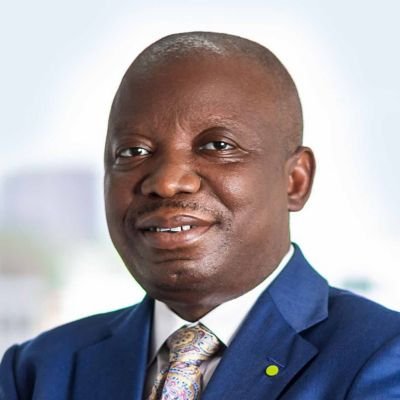
Deloitte also called for viable funding options to complete deferred infrastructure projects, with its Country Managing Partner, Mr. Daniel Owusu, emphasising the importance of improving revenue mobilisation through stronger compliance and enforcement.
The challenge facing policymakers will be ensuring that additional fiscal space produces measurable economic benefits rather than becoming another source of expenditure pressures.
The 1.7 Million Jobs Promise Faces Its Biggest Test
Employment creation remains one of the most important expectations surrounding the 2027 Budget, particularly as Ghana continues to confront youth unemployment and the difficulties young people face in securing sustainable livelihoods.
The Government’s 24-Hour Economy and Accelerated Export Development Programme are among the initiatives expected to support the creation of 1.7 million jobs by the end of 2028.
However, achieving this target will require more than ambitious policy announcements.
Businesses must have access to reliable infrastructure, affordable financing, predictable taxation and sufficient market demand to expand their operations and employ more people.
Public investment must also stimulate private-sector activity rather than crowding out enterprises through excessive government borrowing or inefficient spending.
The effectiveness of the proposed programmes will ultimately depend on their ability to generate sustainable employment and strengthen productive capacity.
Businesses Must Prepare for a New Economic Direction
Beyond advising the government, Deloitte has challenged businesses to begin positioning themselves for the opportunities and risks associated with the 2027 fiscal programme.
Mr. Owusu urged companies to integrate the approved budget into their operational and investment decisions.
“Leadership teams should use the approved budget as an immediate input into their 2027 strategies, pricing, investment spending, and planning for their desired economic outcomes.”
Mr. Daniel Owusu
The recommendation highlights the importance of treating fiscal policy as a direct influence on corporate performance rather than simply a government announcement.
Ultimately, Deloitte believes the 2027 Budget should protect fiscal discipline while directing investment towards productive enterprises and sustainable jobs.
Ghana has made progress in restoring economic stability, but sustaining that progress will require careful spending decisions, stronger domestic revenue mobilisation and a private sector capable of generating lasting economic opportunities.
The success of the New Economy agenda will therefore depend not simply on how much the government spends, but on how effectively those resources translate into production, competitiveness and jobs.
READ ALSO: NPA Chief Urges Clearer Rules To Attract Gas Investment