
President John Dramani Mahama has condemned attacks on foreign nationals in South Africa, insisting that vigilantism and mob violence cannot resolve the country’s migration challenges.
Speaking at the 20th anniversary celebration of the Centre for Migration Studies at the University of Ghana, he called for migration governance across Africa to prioritise human dignity, lawful movement and regional cooperation while addressing legitimate national security concerns.
He argued that African countries must close the gap between continental commitments on free movement and the actual experiences of citizens at border posts, stressing that migration policies should facilitate legal travel, expand employment and educational opportunities, and support the continent’s broader economic integration agenda.
“But the challenges of migration will not be solved by vigilantism. They will not be resolved by marauding crowds searching for and brutalizing people believed to be illegal immigrants.”
President John Dramani Mahama
Mahama Condemns Vigilantism Against Foreign Nationals in South Africa
President Mahama acknowledged South Africa’s legitimate right to address its migration challenges following recent attacks against foreign nationals but rejected violence and vigilantism as acceptable responses to irregular migration.
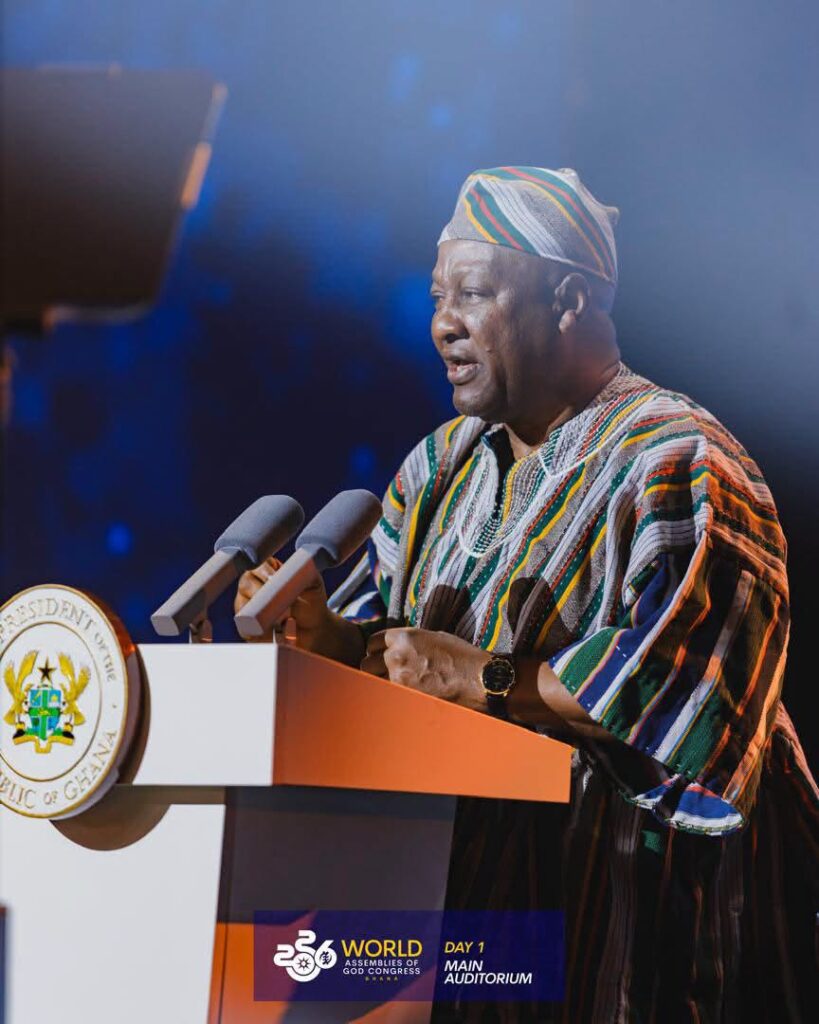
He cautioned against allowing groups of individuals to take the law into their own hands by searching for, attacking and brutalising people suspected of residing in the country illegally.
According to him, migration challenges require effective governance, institutional responses and cooperation rather than mob action against foreign nationals. He maintained that governments must address migration concerns through policies that protect national security while respecting the dignity and rights of individuals.
His remarks placed the recent incidents in South Africa within a broader discussion about the need for African countries to develop coordinated approaches to migration management.
President Calls for Better Implementation of African Free Movement Commitments
President Mahama identified the gap between Africa’s regional integration commitments and the realities confronting travellers at border posts as a major challenge requiring attention.
He referenced the African Union Free Movement Protocol, regional economic communities and Agenda 2063 as important frameworks guiding the continent’s approach to facilitating movement among African countries.
“And yet the gap between the commitments we make in conference rooms and what an African citizen experiences at our border posts remains very wide.”
President John Dramani Mahama
He argued that declarations on regional integration must produce tangible benefits for ordinary Africans, particularly by making lawful travel easier while maintaining effective border security.
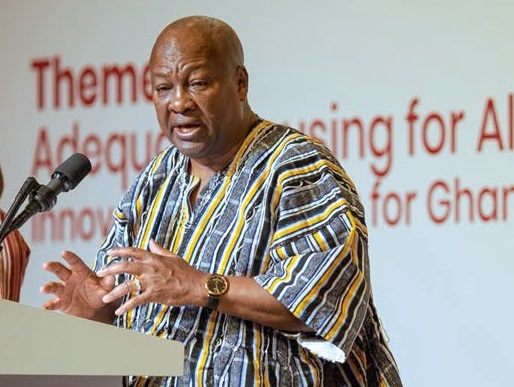
“Good border governance must deliver on both. Keep a nation secure but at the same time facilitate easy travel of citizens,” he stated. He consequently called for improvements in border administration to ensure that security procedures do not unnecessarily obstruct the movement of people across African countries.
Mahama Advocates Dignity and Shared Responsibility in Migration Partnerships
The President further called for international migration partnerships to be built around dignity, reciprocity and shared responsibility. He maintained that African countries must continue cooperating with international partners on border management, combating human trafficking and migrant smuggling, as well as return and reintegration arrangements.
However, he cautioned that such cooperation must extend beyond efforts aimed primarily at restricting African migration. According to him, credible migration partnerships must also expand regular migration pathways and create opportunities for Africans to work and study abroad.
He further highlighted the importance of skills partnerships, investments and development initiatives in ensuring that migration cooperation produces broader economic and social benefits. “African countries and their international partners must engage as equals, each with legitimate interests and shared responsibilities.”
His position emphasises the need for international migration arrangements to recognise the interests of African countries while ensuring that cooperation does not undermine their development priorities.
Mahama Links Free Movement to AfCFTA and African Economic Development
President Mahama also called for stronger connections between free movement, African trade, employment creation and regional economic integration.
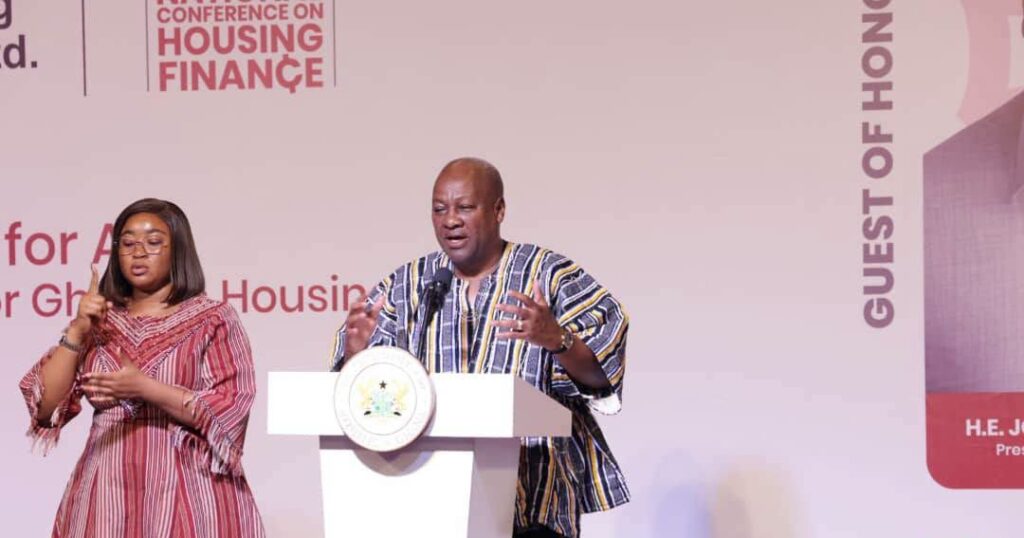
He highlighted Ghana’s role as host of the Secretariat of the African Continental Free Trade Area (AfCFTA), describing the continental trade agreement as an important opportunity to transform African economies.
He maintained that full implementation of the agreement could lift millions of Africans out of extreme poverty by expanding trade, economic opportunities and market access across the continent.
“But the continental market cannot fulfil its promise if goods are able to move more easily than the people who produce them.”
President John Dramani Mahama
The President’s argument connects migration governance directly to the practical implementation of the AfCFTA, suggesting that regional trade integration must account for the movement of workers, entrepreneurs and other economic participants.
He stressed that facilitating the movement of people alongside goods would strengthen the relationship between trade expansion, employment and economic development.
Ghana Commits to Translating Migration Policies into Practice
President Mahama concluded by reaffirming Ghana’s commitment to implementing its regional integration obligations through practical policy measures. He maintained that the country’s leadership in African integration should be assessed not merely by the commitments it makes but by its ability to translate them into tangible outcomes.

“Ghana intends to lead by putting its commitments into practice. Our leadership will be judged by how we fulfil the commitments we make,” he stated.His address places humane migration governance, effective border management, international cooperation and free movement at the centre of Africa’s broader regional integration and development agenda.
READ ALSO: Xi Calls For Constructive, Stable Ties With US