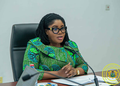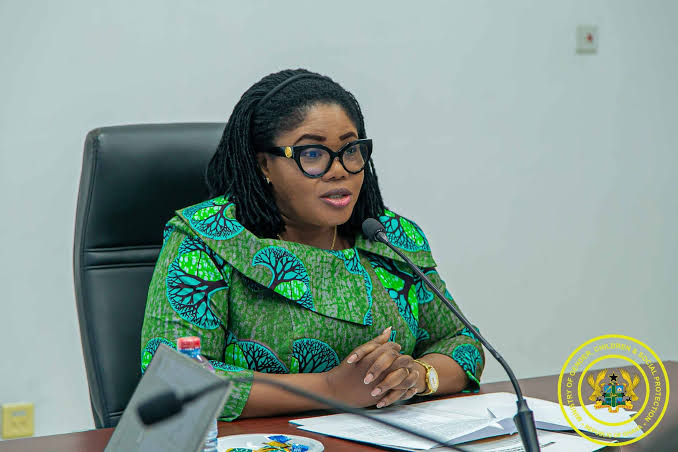
Minister for Gender, Children and Social Protection, Dr Agnes Naa Momo Lartey, is leading Ghana’s delegation to the Second Global Ministerial Conference on Ending Violence Against Children in Manila, Philippines, where government leaders and development partners are examining strategies to strengthen child protection systems and prevent abuse.
Ahead of the conference, the Minister called for child protection to receive sustained domestic financing and recognition as an essential public service, arguing that policy commitments must be supported by strong institutions, adequately resourced social services and protected budgetary allocations.
“Child protection must be recognised as an essential public service, alongside health and education, with dedicated and protected budgetary allocations.”
Minister for Gender, Children and Social Protection, Dr Agnes Naa Momo Lartey
The ministerial conference provides a platform for governments and international partners to share experiences, assess progress and consider practical measures to end violence against children. Discussions are expected to focus on stronger policies, prevention measures and sustainable investments that can improve protection outcomes.
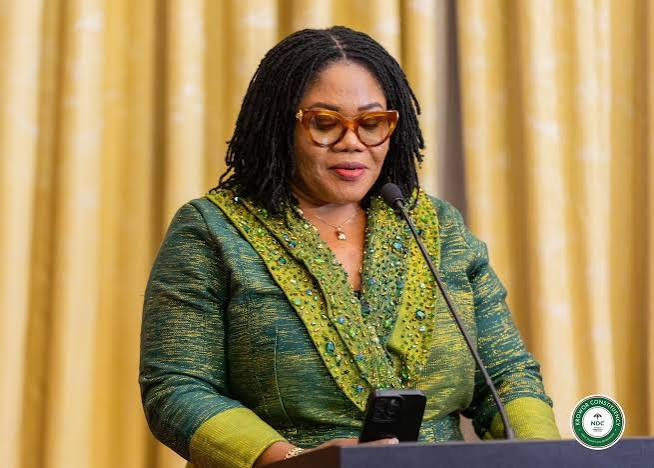
Ending violence against Children
Ghana’s participation is intended to contribute to the global exchange while strengthening partnerships and drawing lessons from other countries.
Before the main conference, Dr Lartey participated in a high-level satellite event themed “Strengthening Child Protection Systems and Financing for Sustainable Impact.”
Co-hosted by Save the Children, UNICEF and World Vision International, the event brought together ministers, development partners, civil society organisations and international financial institutions to discuss sustainable financing for child protection.
Addressing the gathering, the Minister emphasized that ending violence against children requires more than policy declarations. She identified strong institutions, adequately resourced social services and sustained domestic financing as essential foundations for effective protection.
She urged governments to provide dedicated budget allocations and protect those resources to ensure that services can operate consistently.
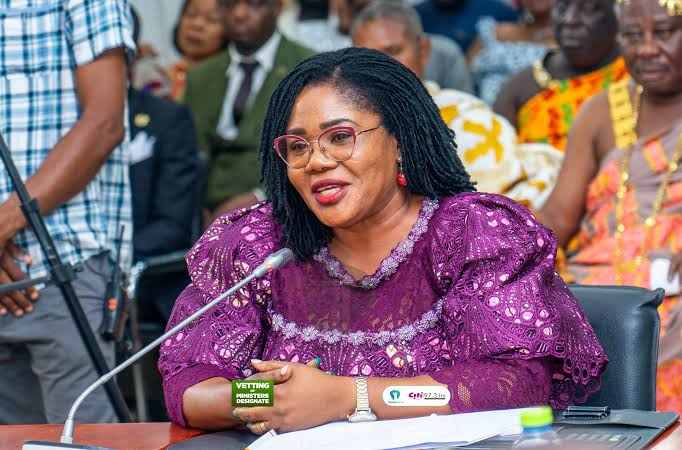
Ghana cites legal and institutional progress
Dr Lartey highlighted Ghana’s record in advancing children’s rights, recalling that the country became the first in the world to ratify the United Nations Convention on the Rights of the Child in 1990.
She also pointed to the Children’s Act, 1998 (Act 560), as a central part of the country’s legal framework for safeguarding children.
The Minister further cited the nationwide reach of the Integrated Social Services initiative, which now covers all 261 districts. The initiative is intended to strengthen coordination among services, improve referrals and support the early identification of risks affecting children.
District budget lines planned
The Minister outlined further measures to strengthen the social service workforce and improve financing and accountability. A key commitment is the planned introduction of dedicated child protection budget lines in all 261 districts by 2028.
Dr Lartey called on governments, development partners and international financial institutions to increase investment in child protection. She stressed that external partnerships should reinforce national systems rather than establish parallel structures that could weaken coordination or long-term sustainability.
Public-private partnerships and continental commitment
She cited Ghana’s Child Labour Public-Private Partnership as an example of collaboration aimed at protecting children in high-risk sectors.
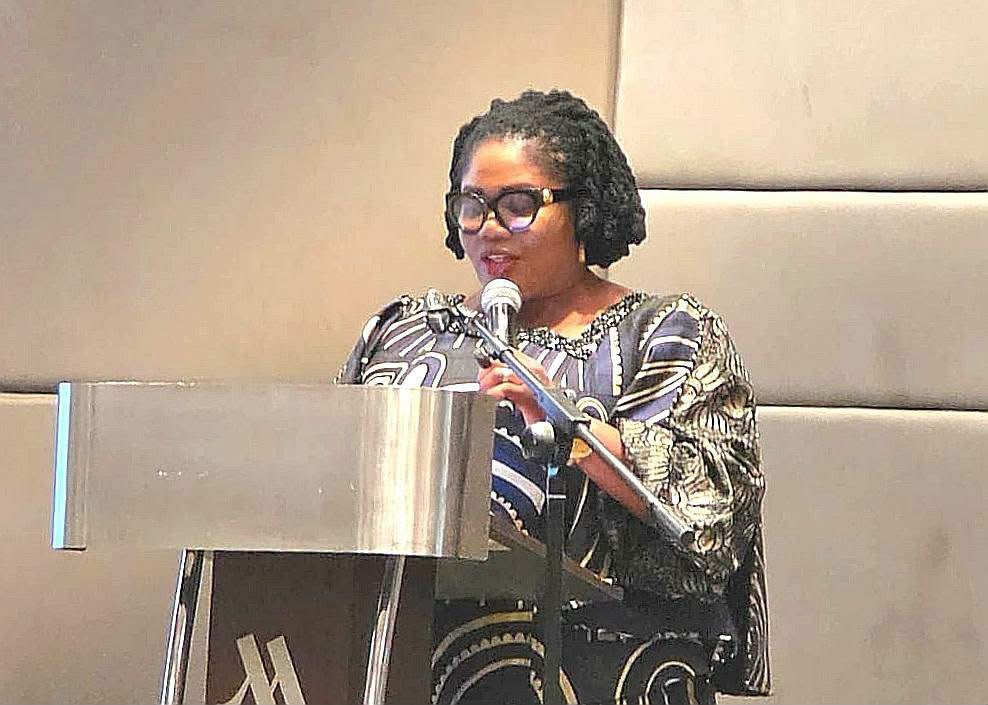
Reaffirming Ghana’s commitment, the Minister urged countries to translate global declarations into practical action supported by strong institutions and sustainable financing.
She also pointed to President John Dramani Mahama’s forthcoming chairmanship of the African Union in 2027 as an opportunity to maintain continental attention on child protection, these priorities will shape the country’s engagement with partners.
The Minister’s appeal highlights the need for child protection commitments to be reflected in national and district budgets, rather than remain policy aspirations.
As participating governments consider approaches to ending violence against children, Ghana is seeking to build on its legal framework and district-level social service coverage.
The planned budget lines and emphasis on partnerships form part of that effort to create a more sustainable and responsive system for children nationwide.
READ MORE: GNFS Warns Ghanaians Against Nonchalant Attitude Towards Fire Safety