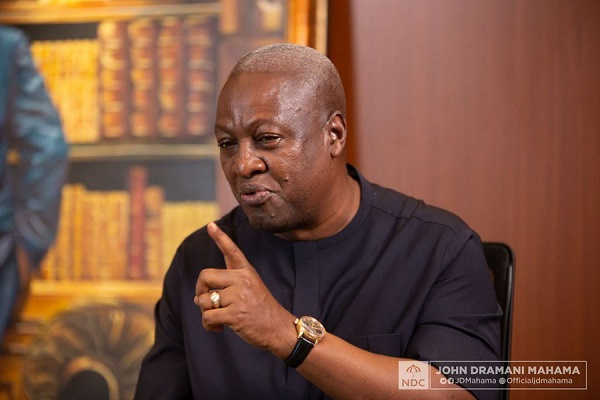
President John Dramani Mahama has urged the Ministries of Trade and Transport and other relevant institutions to address delays and congestion at Ghana’s ports, insisting that businesses should be able to clear containers within hours rather than days.
He identified inefficient logistics and burdensome regulatory procedures as obstacles to business competitiveness and called for reforms to improve Ghana’s operating environment.
Speaking at the Club 100 Awards ceremony at the Palm Convention Centre on Wednesday night, November 18, 2026, the President argued that businesses needed efficient access to imported raw materials and simpler licensing processes to compete effectively, particularly under the African Continental Free Trade Area (AfCFTA).
“We should be able to take a container out of the port in hours, not days.”
President John Dramani Mahama
Mahama Identifies Port Delays as Business Competitiveness Challenge
President Mahama acknowledged that although Ghana had recorded improvements in its economic conditions, several operational challenges continued to affect businesses. He specifically pointed to inefficiencies across the logistics value chain, particularly congestion and delays at the country’s ports.
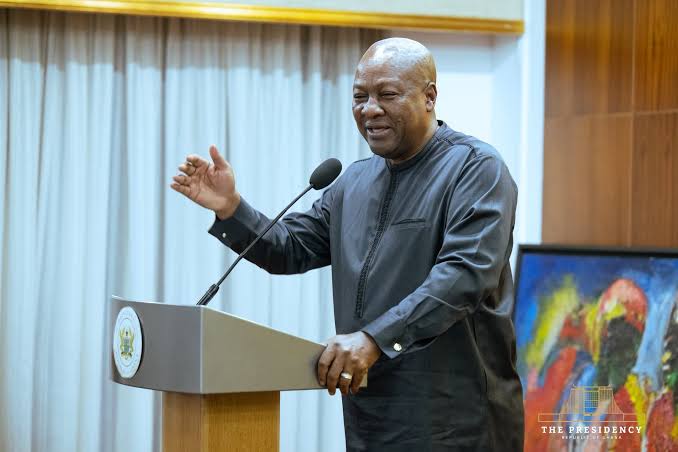
The President explained that businesses depended on the timely movement of raw materials and other inputs to sustain production. Delays in clearing imported goods, he indicated, could undermine operational efficiency and place Ghanaian companies at a disadvantage against competitors in other countries.
He therefore called on the Ministers of Trade and Transport, alongside stakeholders responsible for port operations, to work towards resolving the bottlenecks affecting the movement of goods.
The President maintained that improving port efficiency was necessary to reduce the time businesses spent waiting for imported materials and enable them to respond more effectively to market demands.
His remarks placed port clearance and logistics within the broader discussion of Ghana’s efforts to strengthen private sector productivity and expand its participation in regional trade.
AfCFTA Requires Efficient Production and Logistics
The President also linked improvements in Ghana’s logistics infrastructure to the country’s ability to benefit from the African Continental Free Trade Area. He argued that Ghanaian businesses could not fully take advantage of the continental market without improving the efficiency of production and the movement of goods.

According to Mahama, competing with businesses in other African countries would require companies to access raw materials seamlessly and operate within a logistics system that supports timely production and distribution.
He stressed that efficient production depended on several interconnected factors, including the movement of inputs through the supply chain. “And if we say we want to take advantage of the African Continental Free Trade Area, then we must produce efficiently.”
President Mahama’s position was that the benefits of expanded market access under AfCFTA would depend partly on the ability of domestic businesses to produce and distribute goods competitively.
He consequently urged government institutions and private sector stakeholders to treat logistics efficiency as an essential component of Ghana’s trade and industrial development agenda.
President Calls for Business-Friendly Regulatory Reforms
Beyond port operations, President Mahama identified regulatory procedures as another area requiring attention, arguing that the process of obtaining permits, licences and other statutory approvals could place unnecessary pressure on businesses.
He listed business operating permits, environmental impact assessments and related certificates among the requirements companies often had to secure before commencing or expanding operations.
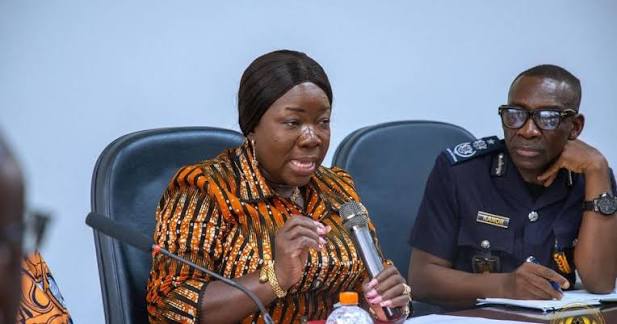
The President cautioned regulators against creating procedures that made it unnecessarily difficult for businesses to operate. He urged regulatory institutions to consider the experiences of applicants when designing and administering their processes.
President Mahama specifically appealed to the Ghana Investment Promotion Authority, the Ministry of Trade, the Ministry responsible for the environment and other relevant institutions to collaborate on making business regulation easier.
He argued that regulators should assess their services from the perspective of entrepreneurs seeking approvals, rather than concentrating solely on administrative requirements. “Regulators must see themselves in the eyes of the businessman.”
He further challenged public officials responsible for issuing permits and licences to consider whether they would be satisfied with the service if they were in the position of the business applicant.
The President’s appeal focused on making regulatory processes more responsive without suggesting that businesses should operate outside established requirements.
Mahama Recalls Opposition to Internet Café Licensing
To illustrate his position on regulation, President Mahama recounted an experience from his time as Minister for Communications, when internet cafés were emerging as a new business model in Ghana.
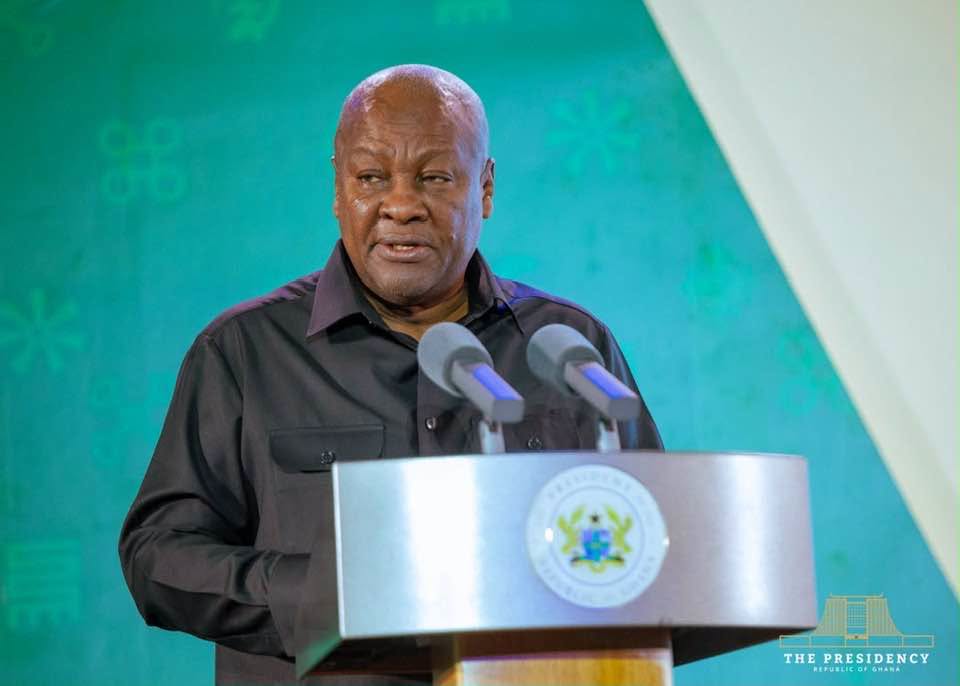
He recalled that technocrats had approached him with proposals to introduce legislation requiring operators of internet cafés to obtain licences. However, he resisted the proposal, questioning the need to impose licensing requirements on businesses providing internet access to the public.
According to the President, he maintained that internet cafés should be allowed to emerge without an additional licensing barrier. He argued that introducing such requirements could have delayed the expansion of the new service across the country.
Mahama recalled that internet cafés subsequently became common across Ghana during his tenure as Communications Minister. He used the experience to reinforce his argument that regulation should not unnecessarily obstruct new business opportunities or slow the adoption of emerging technologies.
Government Agencies Urged to Improve Business Environment
President Mahama’s address placed responsibility on several government institutions to improve the conditions under which businesses operate, particularly in port administration, logistics and regulatory services.
His appeal to the Trade and Transport Ministries and other stakeholders focused on reducing delays in the movement of goods, while his call to regulatory agencies centred on simplifying the processes businesses must navigate to obtain statutory approvals.
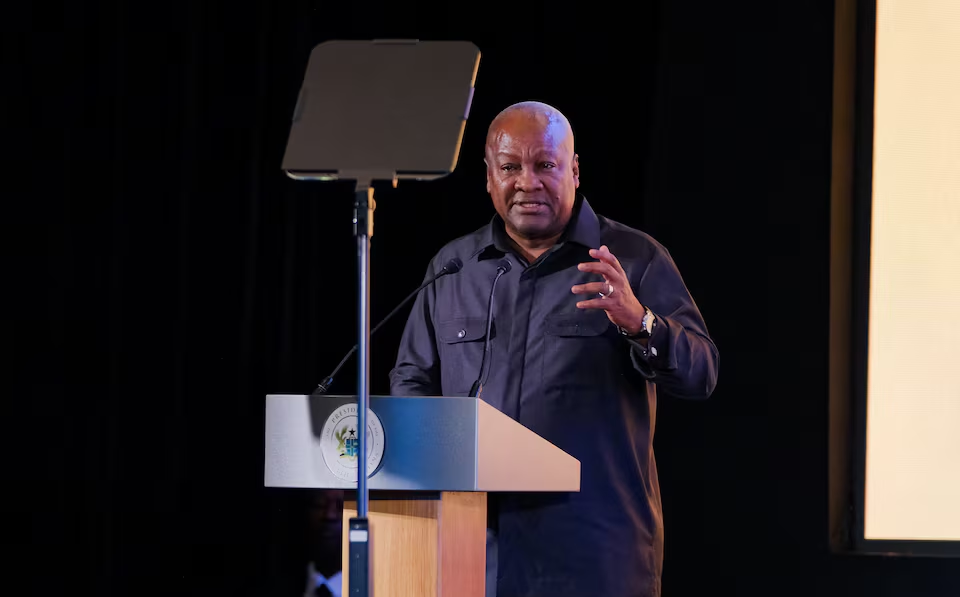
The President presented these reforms as necessary to strengthen private sector competitiveness, improve production efficiency and position Ghanaian businesses to benefit from opportunities under AfCFTA.
The remarks formed part of his address to the Club 100 Awards, where he also highlighted the importance of economic stability, investment and private sector participation in Ghana’s development.
READ ALSO: Ghana’s Currency Outlook Darkens as Fitch Predicts Further Weakness