
Ghana’s Deputy Minister for the Interior, Hon. Ebenezer Okletey Terlabi, has called on regional and local government authorities in the Bono, Bono East and Ahafo Regions to strengthen preventive security measures and address emerging threats before they develop into major security challenges.
He urged Regional Ministers, Metropolitan, Municipal and District Chief Executives (MMDCEs), and members of the Regional Security Councils (REGSECs) to adopt proactive approaches to security management, emphasising that early intervention, responsible leadership and effective coordination were essential to maintaining peace and stability.
“Security management must be proactive, with early intervention to address potential conflicts before they escalate into major security threats.”
Honourable Ebenezer Okletey Terlabi, Deputy Interior Minister
Hon. Terlabi made the appeal at a workshop on the Security and Intelligence Agencies Act, 2026 (Act 1168), organised for REGSEC members and MMDCEs from the three regions in Sunyani. He cautioned that authorities must not wait for conflicts or criminal activities to escalate before mobilising security agencies, insisting that identifying warning signs and responding promptly remained central to effective security administration.
Security as a Foundation for Regional Development
Addressing participants, the Deputy Minister underscored the relationship between security and economic development, noting that peaceful communities create the conditions necessary for businesses to operate, investments to flourish and residents to pursue their livelihoods without fear.
He observed that the Bono, Bono East and Ahafo Regions possessed considerable economic potential, particularly in agriculture, commerce and natural resources. However, he warned that persistent disputes, criminal activities and insecurity could undermine these opportunities and restrict the regions’ development prospects.
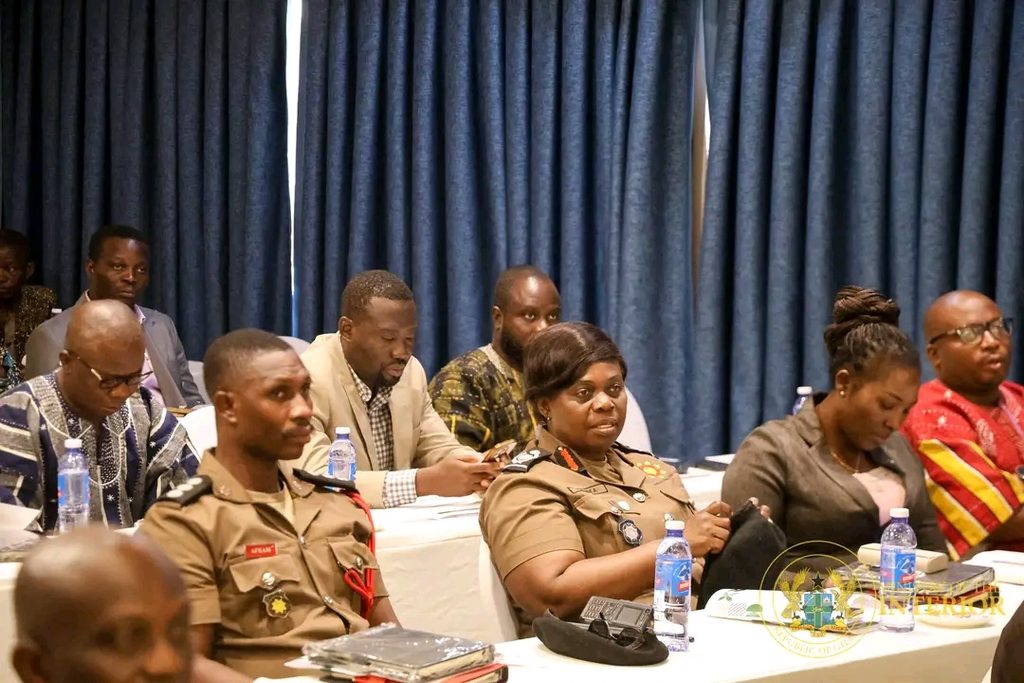
His remarks placed particular emphasis on the responsibility of political and administrative leaders to view security as an integral component of governance rather than a matter to be addressed only when emergencies arise.
According to him, preventive security management requires consistent engagement with communities, effective communication and timely collaboration with the relevant security institutions.
The Deputy Minister maintained that regional authorities must demonstrate leadership by identifying vulnerabilities within their jurisdictions and taking appropriate measures to prevent local disagreements from developing into broader security concerns.
New Legislation Seeks to Strengthen Security Coordination
The workshop forms part of Ghana’s broader National Security Reform Programme, which seeks to improve the country’s security governance framework and strengthen cooperation among institutions responsible for protecting lives and property.
The Security and Intelligence Agencies Act, 2026 (Act 1168), which received presidential assent on March 31, 2026, following its passage by Parliament, provides a renewed legal framework for the country’s security and intelligence architecture.
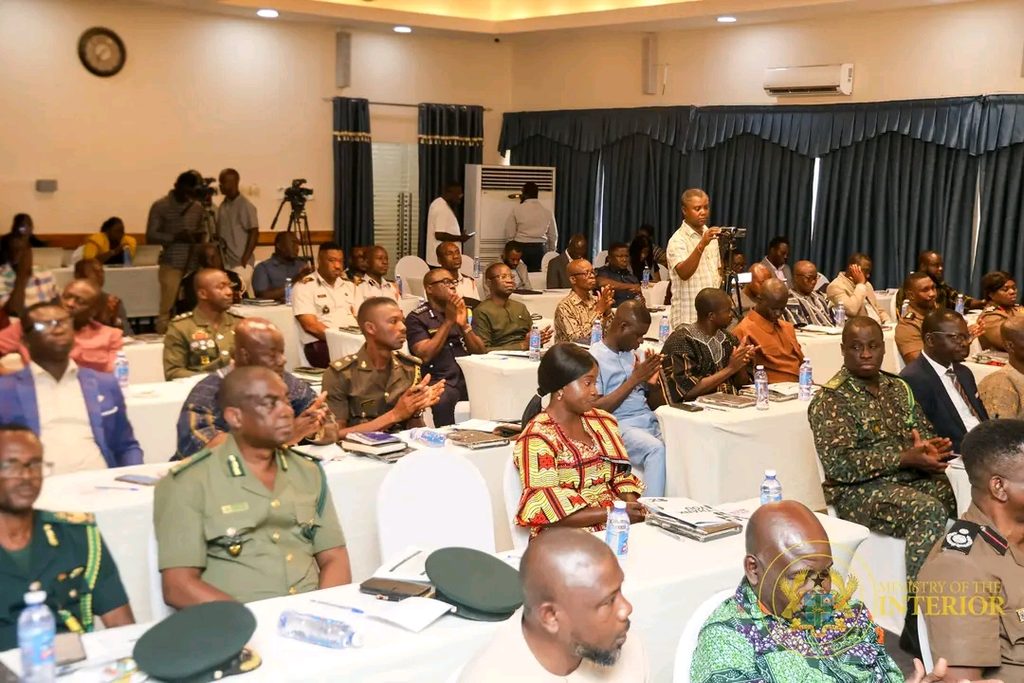
The legislation is intended to improve coordination, management and oversight of security and intelligence institutions while clarifying the responsibilities of stakeholders involved in national security administration.
Its implementation has been accompanied by capacity-building programmes for regional authorities, local government officials and security personnel to ensure that the new framework is properly understood and applied.
Previous training engagements have similarly emphasised the need for intelligence-led security management, stronger reporting systems and improved cooperation between local authorities and security agencies.
For the Bono, Bono East and Ahafo Regions, the workshop presents an opportunity to strengthen institutional capacity and establish a more coordinated approach to addressing security concerns that may affect neighbouring districts and communities.
Terlabi Calls for Stronger REGSECs and Communication Channels
Hon. Terlabi expressed the expectation that the engagement would deepen participants’ understanding of Act 1168, clarify their respective security responsibilities and improve collaboration across the three regions.
He stressed that the effectiveness of the workshop should not be measured solely by participants’ attendance or knowledge acquired but by how successfully the lessons translate into practical security interventions.
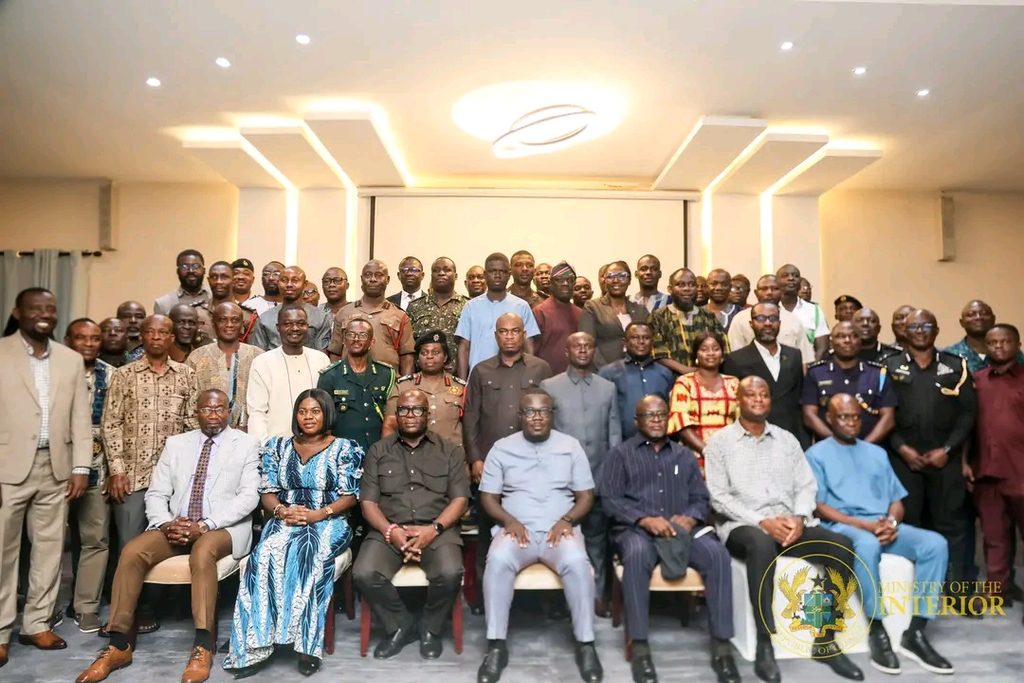
He therefore urged the Regional Security Councils to strengthen their operations and establish effective communication channels with security agencies within their respective jurisdictions. He warned against the tendency to engage security institutions only after incidents had occurred, encouraging regional and local authorities to report emerging tensions, disputes and other potential threats promptly.
The Deputy Minister further emphasised that effective security management required sustained institutional commitment, with leaders taking responsibility for identifying risks, facilitating cooperation and ensuring that concerns received the necessary attention.
He maintained that the knowledge gained from the workshop must inform day-to-day governance decisions and strengthen the ability of authorities to anticipate and manage security challenges.
Ultimately, the call reinforces the importance of moving beyond reactive security responses towards a preventive approach that protects communities, supports economic activity and safeguards the development prospects of the Bono, Bono East and Ahafo Regions.
READ ALSO: Mahama Demands Faster Port Operations, Easier Business Regulations