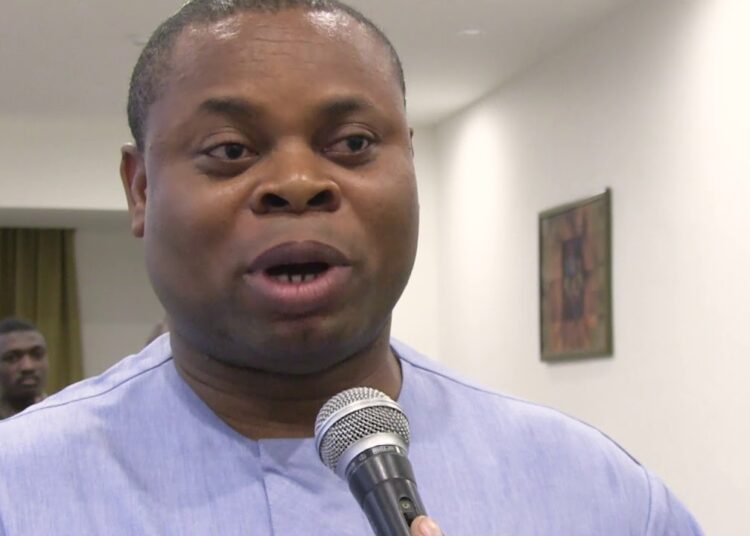
Franklin Cudjoe, Founding President and Chief Executive Officer of IMANI Centre for Policy and Education, has challenged the New Patriotic Party (NPP) to present stronger economic policy alternatives ahead of the 2028 elections, linking easing borrowing costs to Finance Minister Dr Cassiel Ato Forson’s economic management.
Mr Cudjoe made the remarks in a social media post following the Bank of Ghana’s decision to cut its Monetary Policy Rate (MPR) by 300 basis points, from 14% to 11%. He stated that the reduction signals easier financing conditions and challenged the opposition to present a credible alternative.
“If you can’t project ideas that will beat this type of development, man, you are a ghost at the next elections”.
Franklin Cudjoe, Founding President and Chief Executive Officer of IMANI Centre for Policy and Education
Rate Cut to Lower Borrowing Costs
Mr Cudjoe described the Monetary Policy Rate as an indicator influencing commercial lending rates and businesses’ cost of capital. According to him, borrowers not long ago faced average bank lending rates of about 30%, a situation he attributed to economic conditions under the previous administration.

He maintained that the current reduction reflected improvements in economic management, including what he described as restraint in government borrowing and reduced pressure on the cedi.
“Now, due to the brilliant handling of the economy and government (like not borrowing recklessly for unproductive projects like building cathedrals and village dams) there is no pressure on the currency and it has thus become cheaper to borrow”.
Franklin Cudjoe, Founding President and Chief Executive Officer of IMANI Centre for Policy and Education
The Bank of Ghana announced the 300-basis-point reduction on November 18, bringing the policy rate to 11%. The central bank cited improving domestic economic conditions, stronger private sector credit growth, and declining commercial bank lending rates in explaining its decision.
Data accompanying the central bank’s decision indicate that average commercial bank lending rates declined to 15.8% in October 2026, from 22.2% in October 2025. Private sector credit growth increased to 37.2% in October 2026, compared with 13.9% during the corresponding period a year earlier. Real private sector credit growth rose to 30%, up from 5.4%.
These indicators point to easing credit conditions and increased lending to the private sector. However, the policy rate does not automatically determine the interest rate charged to every borrower. Commercial banks consider funding costs, borrowers’ risk profiles, and competitive conditions when setting loan rates.
Cudjoe Criticises NPP’s Economic Response
Mr Cudjoe directed his criticism at opposition figures who have questioned the competence of Dr Cassiel Ato Forson and the Mahama administration’s economic management.
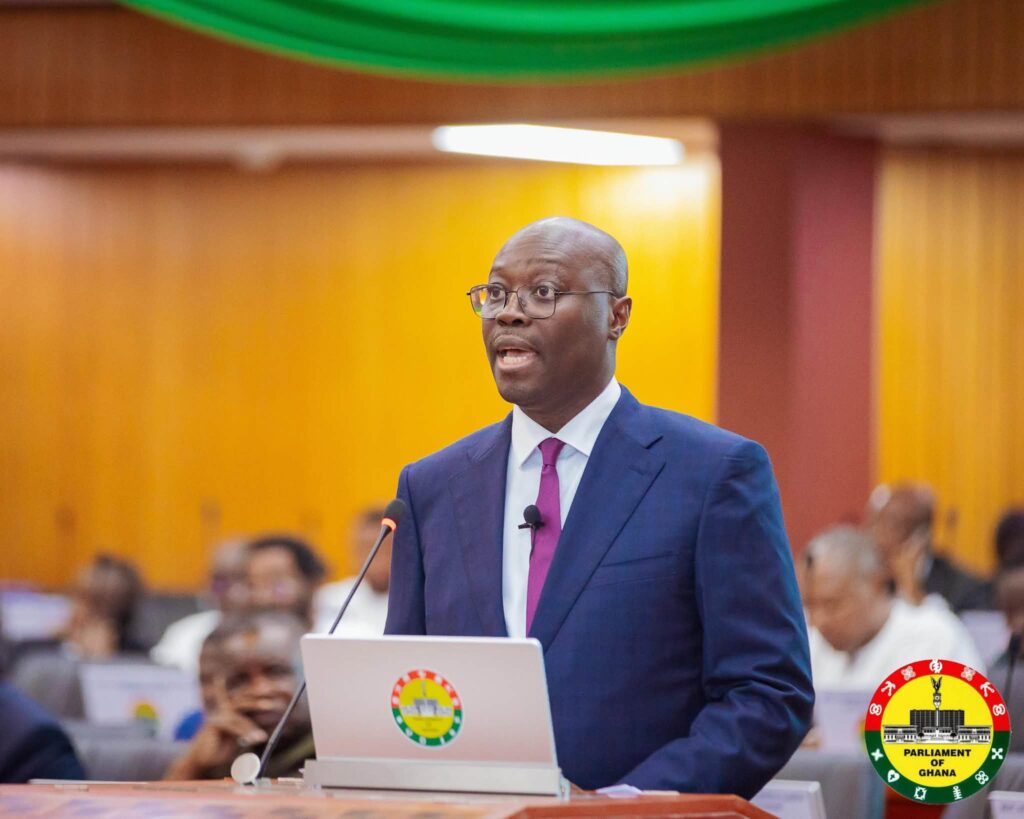
He suggested that criticism alone would not provide the NPP with a persuasive alternative ahead of the next general election, insisting that the party needed economic proposals capable of challenging the government’s record.
His post framed the lower policy rate and easing borrowing costs as evidence that the government’s economic approach was producing results. He also argued that reduced government demand for domestic borrowing had created more room for banks to lend to businesses.
Mr Cudjoe compared the current lending environment with conditions under former President John Agyekum Kufuor, suggesting that banks were once again approaching customers to take loans. “I’m sure your bank is chasing you to take out loans as they once did under President Kufuor,” he wrote.
Economic Recovery and the Challenge of Sustaining Gains
Mr Cudjoe’s intervention comes amid wider discussion about Ghana’s economic recovery. The International Monetary Fund has credited difficult policy decisions and reform efforts with contributing to improved macroeconomic conditions, while emphasising the need to consolidate progress and strengthen resilience.
The impact on businesses and households will depend on how effectively lower policy rates translate into affordable loans, investment and employment.

For Mr Cudjoe, the development also raises a political challenge for the opposition New Patriotic Party: to move beyond criticism and present economic ideas that can compete with the government’s claims of improved stability and financing conditions.
READ ALSO: Ato Forson Hits 41% in Major Akan Regions Poll Shift