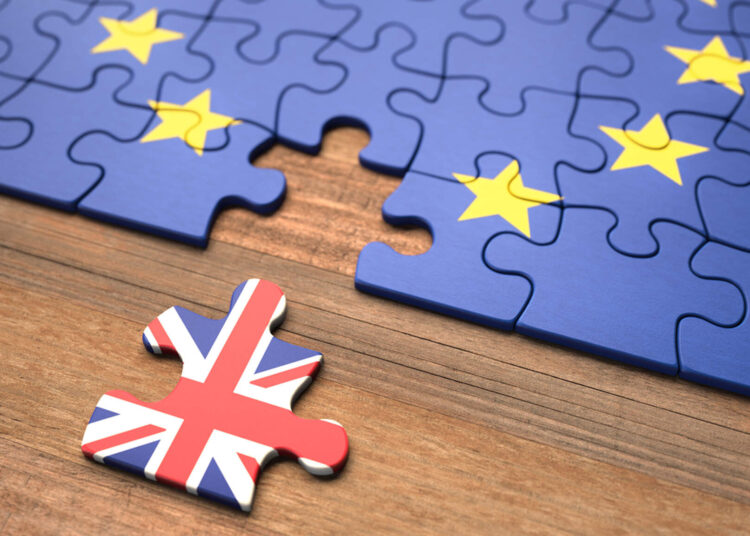
United Kingdom is expected to agree to a new youth mobility deal with the European Union (EU), potentially allowing up to 100,000 young Europeans to travel, work and study in Britain each year as both sides seek to rebuild relations following Brexit.
The proposed scheme would provide a reciprocal opportunity for at least the same number of young British citizens to travel to EU member states, marking a significant step towards restoring opportunities for younger generations that were curtailed by the UK’s departure from the bloc.
The arrangement is expected to be approved at the UK-EU summit in Brussels, as negotiators work to finalise a broader package of agreements covering trade, energy and immigration cooperation.
UK government has indicated that “talks with the EU are going down to the wire.”
“If we secure a deal, the government will bring forward legislation to Parliament next week. There is a consensus in the country that change needs to happen.”
UK Government Spokesperson
The reported agreement would raise the existing proposed cap of between 50,000 and 80,000 participants to 100,000, while increasing the age limit from 30 to 31.
Also, the scheme is intended to make it easier for young people to gain international work experience, pursue educational opportunities and travel between the UK and EU without restoring the bloc’s previous freedom of movement arrangements.
UK already operates youth mobility schemes with 13 non-EU countries, including Australia, Canada and India.
Trade and Immigration Cooperation on the Agenda
Another principal area under consideration is a proposed agreement on food and agricultural trade, which could reduce border checks, paperwork and other administrative requirements faced by British companies exporting products to European markets.
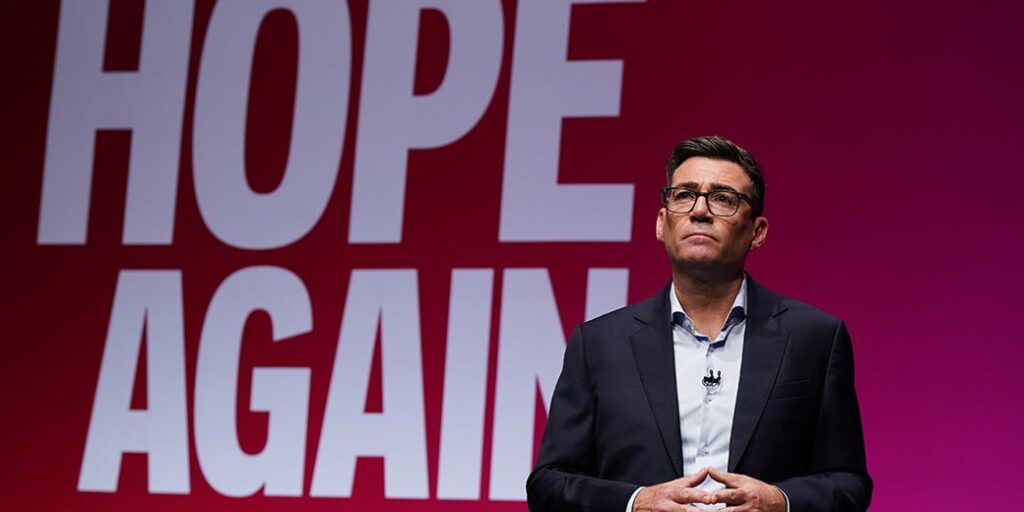
Prime Minister Andy Burnham has expressed optimism that the summit could produce a joint Channel action plan.
“There would always be those circumstances because I’m in this to get the best deal for Britain, always.“But what’s in it for us? There’s the possibility of lower food prices, and I can’t turn my back on that. Lower costs for business, cutting red tape.”
Andy Burnham
UK government estimates that such an arrangement could add £5 billion to the economy annually while reducing costs for businesses and potentially easing food prices for consumers.
The two sides are also discussing energy cooperation and carbon emissions pricing, while UK intends to raise concerns about EU’s proposed Made in Europe initiative, which seeks to protect European industries against unfair competition from countries such as China.
Immigration cooperation is another major priority, particularly efforts to address irregular crossings across the English Channel.
Brexit Divisions Resurface
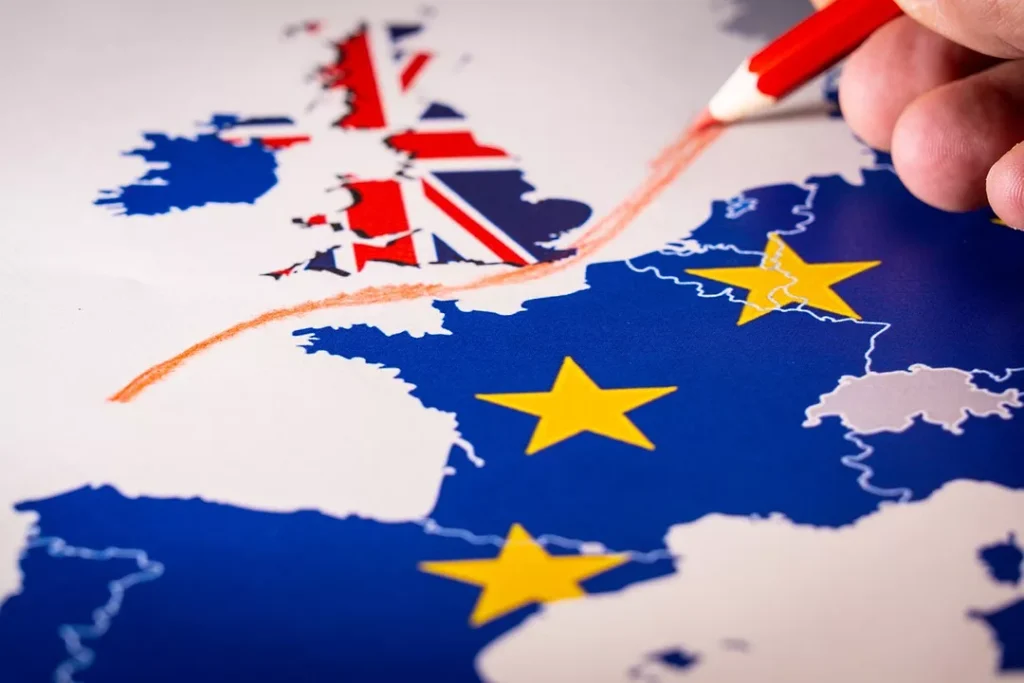
Despite the potential economic and diplomatic gains, the negotiations have revived political disagreements over Britain’s relationship with the EU and the long-term consequences of Brexit.
Conservative Party leader Kemi Badenoch has criticised the government’s approach, accusing Burnham of reopening divisions associated with the 2016 Brexit referendum.
Although she supports improved trading arrangements with the EU, Kemi Badenoch has cautioned against accepting an agreement at any cost, particularly if British businesses are required to comply with European regulations even when they do not trade with the bloc.
She has also noted that the negotiations risk weakening Britain’s control over its laws, finances and borders.
Reform UK leader Nigel Farage has similarly criticised the government’s approach, describing Burnham’s efforts as a political strategy intended to attract support from voters who favour closer European integration.
Farage has rejected the prospect of Britain rejoining the EU, arguing that the country would not support such a move.
Meanwhile, Liberal Democrat leader Sir Ed Davey has indicated that the government’s proposals do not go far enough, advocating a return to freedom of movement to strengthen the economy and address immigration challenges.
The question of EU membership has become another source of tension within Labour after former Deputy Prime Minister David Lammy called on the party to make rejoining the bloc an election commitment. The proposal has, however, met resistance from Ministers concerned about the cost and political consequences of reversing Brexit.
Labour’s 2024 election manifesto ruled out rejoining the EU, the single market and customs union, as well as restoring freedom of movement before the next election.
The government is nevertheless seeking a closer working relationship with European partners, arguing that the UK’s existing post-Brexit arrangements have created economic and practical difficulties for businesses and citizens.
READ ALSO: Shevchenko Challenges Mudryk to Prove Allegations Against UAF