The Royal Moroccan Football Federation (FRMF) has expressed its surprise and strong dissatisfaction with the Court of Arbitration for Sport (CAS) decision to reinstate Senegal as champions of the 2025 Africa Cup of Nations (AFCON), vowing to pursue all available legal avenues to challenge the ruling.
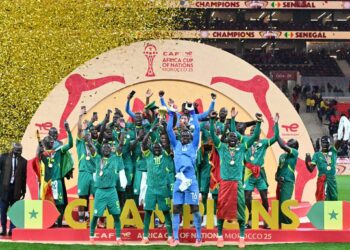
CAS on Tuesday, November 24, overturned the Confederation of African Football (CAF) Appeals Board decision that had stripped Senegal of the title and awarded Morocco a 3-0 victory, restoring the original 1-0 result achieved by Senegal after extra time in January.
Reacting to the verdict, the Moroccan federation said it was surprised that its concerns over the integrity of the arbitration proceedings had not been addressed. In its official statement, the FRMF declared: “The FRMF expresses its surprise and protests the fact that its request was not taken into consideration.”
The federation’s reaction introduces another dimension to a controversy that has remained unresolved for ten months, despite CAS delivering what was expected to be the final determination of the dispute.
Morocco’s dissatisfaction centres partly on an alleged contact between one of the arbitrators who heard the case, Ulrich Haas, and the president of the Senegalese Football Federation (FSF), approximately 48 hours before the verdict was delivered.
The FRMF maintains that it had raised concerns about the alleged interaction and requested that appropriate legal consequences be considered during the proceedings.
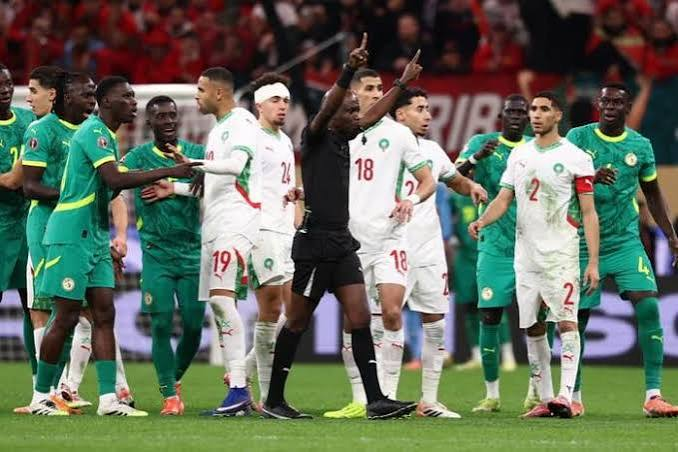
The Moroccan federation also questioned CAS’s interpretation of the regulations governing players who leave the field without the referee’s permission, arguing that the verdict failed to reflect positions established by football’s lawmakers and FIFA.
Having lost its appeal before CAS, Morocco has now indicated its intention to explore further legal options, although any challenge to the award would be subject to the limited grounds available under Swiss law.
FRMF Questions Integrity of Arbitration Proceedings
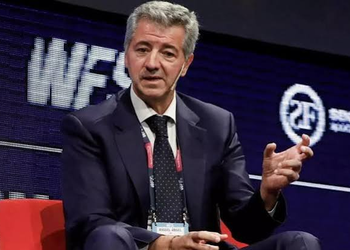
In its statement, the FRMF specifically highlighted the alleged contact involving German arbitrator Haas and Senegalese federation president Abdoulaye Fall, questioning whether the circumstances were consistent with the integrity expected of an international arbitration process.
The federation said it had requested that CAS consider the appropriate legal implications of the alleged interaction but was dissatisfied that the matter did not influence the outcome.
“In particular, the FRMF refers to the contact which, according to its claims, took place between German arbitrator Ulrich Haas and the President of the Senegalese Football Federation, 48 hours before the decision was delivered,” the statement read.
The allegation raises questions about the conduct of the arbitration process, although the FRMF’s statement does not establish that the alleged contact amounted to misconduct or that it influenced the panel’s unanimous decision.
CAS has not, in the statement supplied on its ruling, indicated that the allegation affected its proceedings or provided grounds for disqualifying any member of the arbitration panel.
The three-member panel was led by French sports law expert Gerald Simon, with Italian international law professor Luigi Fumagalli and Haas completing the arbitration team.
Morocco Disputes CAS Interpretation of Football Regulations
Beyond its concerns about the arbitration proceedings, the FRMF also challenged the legal reasoning behind CAS’s decision to restore Senegal’s victory.
The Moroccan federation argued that the ruling failed to take into account the position established by the International Football Association Board (IFAB), which is responsible for the Laws of the Game, and FIFA regarding players who leave the pitch without the referee’s authorisation.
The FRMF said the decision overlooked the responsibilities and disciplinary consequences attached to such conduct.
“The FRMF also notes that the ruling did not take into account the position recently established by the International Football Association Board (IFAB), the body responsible for the Laws of the Game, and FIFA regarding players who leave the pitch without the referee’s permission, as well as the resulting responsibilities and disciplinary sanctions.”
Royal Moroccan Football Federation
The arbitration panel concluded that the decision to restart or permanently abandon the match fell within the referee’s exclusive authority.
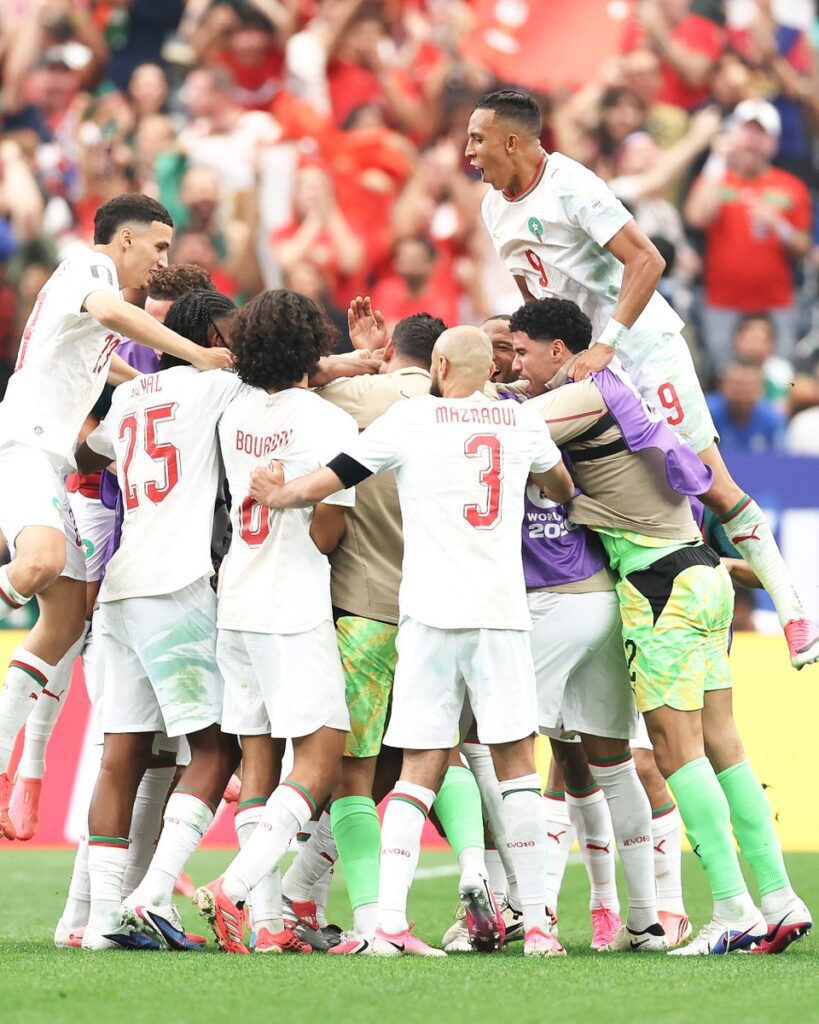
It consequently ruled that Articles 82 and 84 of CAF’s AFCON regulations, which Morocco relied upon to seek a forfeiture, were inapplicable because the match had resumed and reached a sporting conclusion.
CAS also acknowledged that Senegal’s federation, head coach Pape Thiaw and some players had already received separate disciplinary sanctions from CAF over their conduct during the final.
Morocco Vows to Pursue Further Legal Action
The FRMF has made clear that it does not intend to accept Tuesday’s verdict without exploring its remaining legal options.
In concluding its statement, the federation reiterated its stance on challenging the ruling through available procedures.
“Consequently, the FRMF reaffirms its determination to pursue all available legal avenues to challenge the Court of Arbitration for Sport’s decision,” it stated.
CAS is the highest authority in international sports arbitration, and its decisions are generally final and binding. However, parties can, under limited circumstances, seek to have an award set aside by the Swiss Federal Supreme Court, based on specific procedural grounds rather than a fresh examination of the sporting dispute.
The Moroccan federation’s latest position therefore leaves open the possibility of another legal chapter in the AFCON controversy, although it remains to be seen which specific grounds it intends to pursue.
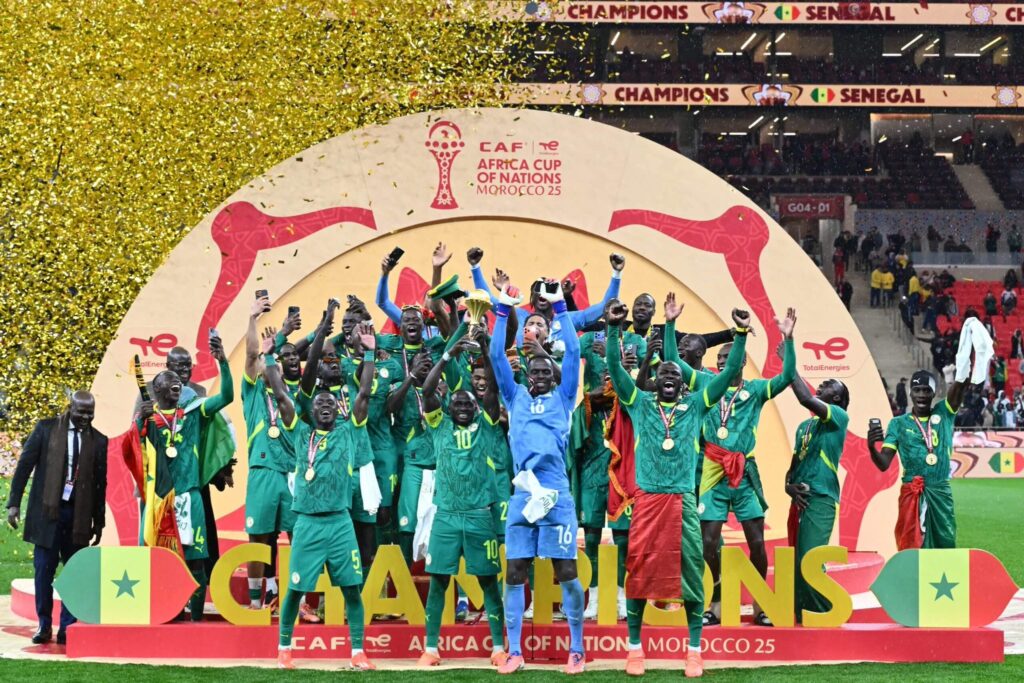
Senegal, meanwhile, have been restored as 2025 African champions following CAS’s unanimous decision, with Pape Gueye’s extra-time goal against Morocco in Rabat retaining its status as the tournament-winning strike.
Ten months after the final, the dispute has been settled at the sports arbitration level, but Morocco’s determination to challenge the outcome means the controversy surrounding the championship may not yet be over.
READ ALSO: Mahama Courts German Investors with Ghana’s Recovery, $10bn New Economy Plan