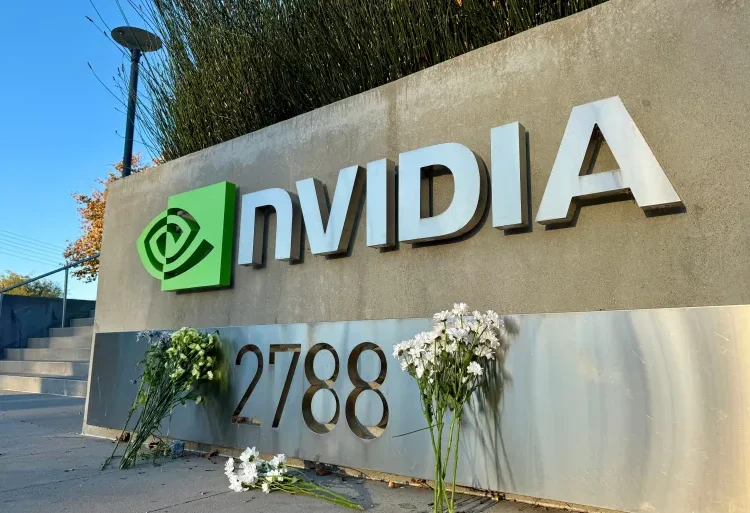
US Attorney General, Todd Blanche has defended the Justice Department’s handling of concerns surrounding Nvidia CEO Jensen Huang, confirming that federal authorities looked into allegations involving the technology executive and an alleged relationship with a Chinese spy.
Speaking at a press conference, Blanche said that the Federal Bureau of Investigation and other law enforcement agencies had examined the concerns.
“What I said last week is that we were looking into it. The FBI, law enforcement looks into things all the time. That doesn’t necessarily become a criminal investigation; it doesn’t necessarily become an indictment; it just literally is that. It’s looking into things.”
Todd Blanche
The Attorney General declined to provide detailed information about the Justice Department’s review of Huang and Nvidia. However, he described the company as a “good corporate citizen” and said the department had no information indicating that Huang had committed a crime.
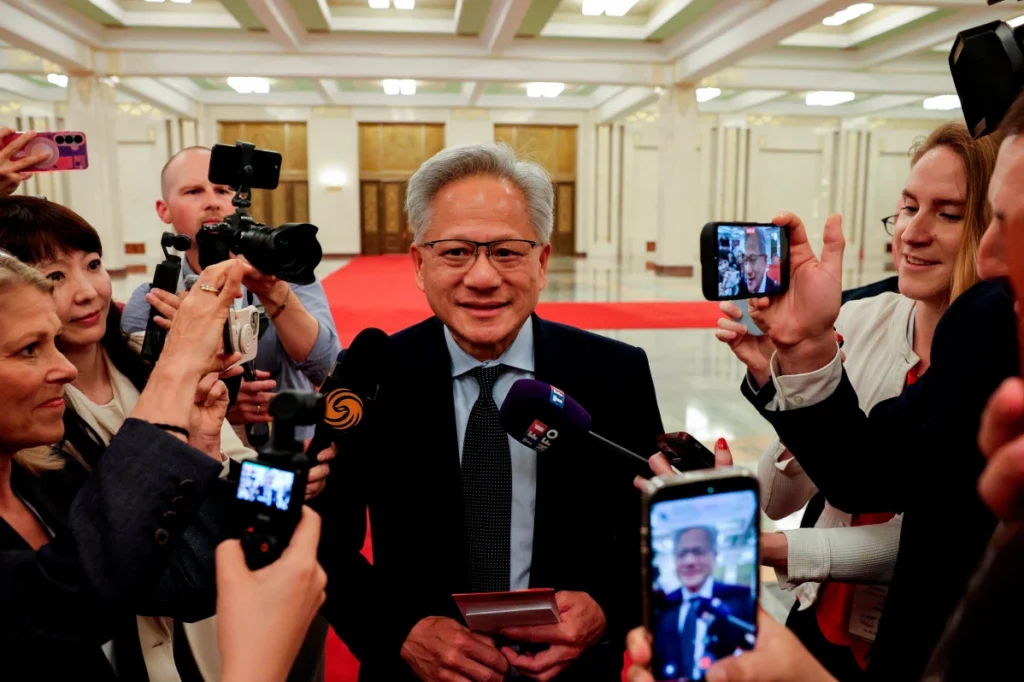
“To the extent that the Department of Justice had information that [Huang] was committing crimes or something like this… that’s something I would have certainly told the President had it been true.”
Todd Blanche
Blanche Defends Interagency Security Assessment
Blanche also addressed how the government determined that Huang did not pose a national security risk, saying the decision followed consultations among law enforcement and intelligence agencies and senior government departments.
He said the assessment involved the intelligence community, the FBI, witness interviews and other available information. He added that the conclusion was reached through what he described as a “collective consensus” involving several government institutions.
“I know there’s heightened focus on this situation, but that’s something that the law enforcement partners and that the leadership in this country, whether it’s Commerce, or Treasury, State Department, the Attorney General – me – it’s a collective consensus that we reach all the time in all kinds of different cases, not just in this case.”
Todd Blanche
Blanche became defensive when reporters sought further clarification about the department’s investigative process and what steps had been taken to establish whether Huang had violated any laws. “What does that mean, ‘Had Huang been investigated?’ For what?… I don’t understand the question,” he said in response to one journalist.
His comments provided some insight into the administration’s assessment of Huang but did not establish the full scope of the review or disclose whether investigators had examined specific allegations in a formal criminal inquiry.
The Justice Department’s statements follow Nvidia’s decision to reinstate Huang as Chief Executive after the company’s board had previously indicated that it had no intention of bringing him back.
The board subsequently reversed its position and voted unanimously to reinstall him, triggering a reported surge of nearly $1 trillion in Nvidia’s stock market valuation.
The decision has attracted attention because of the national security concerns surrounding Nvidia’s efforts to expand exports of advanced artificial intelligence chips to China.
US lawmakers have previously raised questions about the possible diversion of Nvidia chips through third countries into the Chinese market, as well as the company’s efforts to weaken restrictions on advanced technology exports.
The controversy has also drawn attention to President Donald Trump’s reported intervention in Huang’s reinstatement and the administration’s role in assessing the national security implications of the company’s activities.
Democrat Demands Public Congressional Testimony
Separately, Democratic Representative Gregory Meeks, the ranking member of the House Foreign Affairs Committee, has called for Huang to testify at a public congressional hearing.
In a statement, Meeks said that Americans “deserve answers to the profound questions that are continuing to emerge about NVIDIA and our national security.”
“President Trump’s intervention to reinstate Jensen Huang as NVIDIA’s CEO raises even more concerning questions about the administration’s own role, questions the American people deserve to hear answered in public.”
Gregory Meeks
The lawmaker said members of the committee had spent the past year raising concerns about Nvidia’s efforts to weaken US export restrictions on advanced chip sales to China.
He also pointed to allegations that Nvidia chips had been diverted from third countries to China, calling for greater scrutiny of the administration’s decisions on export approvals. “We have many questions surrounding the administration’s role in approving exports that have put America’s national security up for sale,” Meeks said.
“The American people deserve to hear publicly from Mr. Huang about how potentially billions of dollars’ worth of our most advanced technology wound up in the hands of our greatest competitor, and what role this administration played.”
Gregory Meeks
Meeks maintained that a transcribed interview with Huang would be important to congressional oversight but should not replace a public hearing. He called on House Foreign Affairs Committee Chairman Brian Mast to convene one.
The dispute places Nvidia under continued scrutiny over its relationship with Washington, its access to the Chinese market and the national security implications of exporting advanced artificial intelligence technology.
While Blanche maintains that the government’s assessment found no indication that Huang committed a crime or posed a national security risk, Meeks is seeking public testimony to address outstanding questions about the company and the administration’s role.
READ ALSO: Indonesia Dismisses Two Police Officers Over Alleged Treason Plot