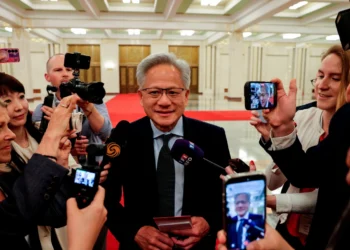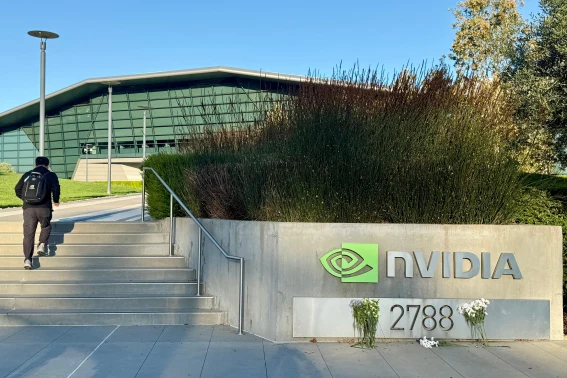
Nvidia has ruled out reinstating former chief executive Jensen Huang, with Board Chair Harvey Jones confirming that the company has accepted his resignation and has no plans to reverse the decision.
Jones made the announcement during an earnings call following Nvidia’s first quarterly results since Huang’s departure last week. Jones, who became Nvidia’s first-ever Board Chair following Huang’s exit, said that the company had no plans to reinstate Huang following his “voluntary resignation” for “personal behaviour inconsistent with the company’s code of conduct, standards, and cultural norms.” “The Nvidia board unanimously accepted his resignation and does not intend to reinstate Jensen as CEO,” Jones said.
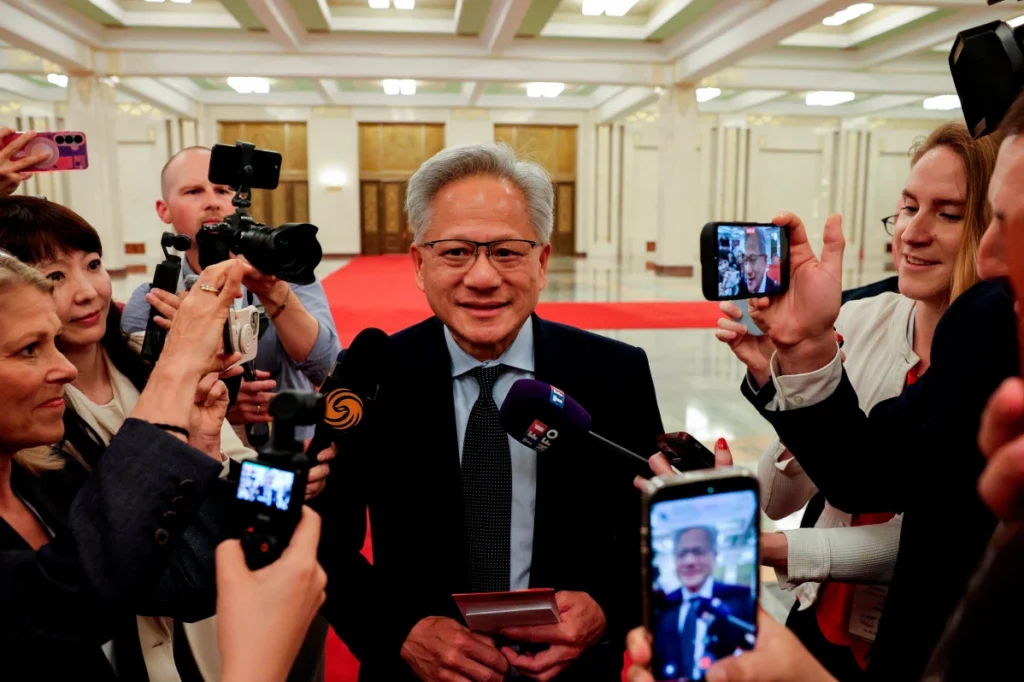
The board’s position comes amid calls for Huang to return to the company he co-founded, although Nvidia has maintained that the leadership change will not disrupt its operations or growth strategy.
It was disclosed yesterday that Huang has agreed to appear before US House lawmakers for a transcribed interview on December 1, as congressional scrutiny intensifies over the company’s sales of advanced artificial intelligence chips and potential national security risks.
Nvidia Reports 103% Revenue Growth
The company’s latest financial results showed its continued expansion, with revenue reaching $115.8 billion in the third quarter ended October 25, representing a 103 per cent increase compared with the same period a year earlier.
Net profit also more than doubled, rising 109 per cent year-on-year to approximately $64.9 billion.
Data centre operations remained the company’s largest source of revenue, generating $107 billion during the quarter, roughly double the amount recorded a year earlier.
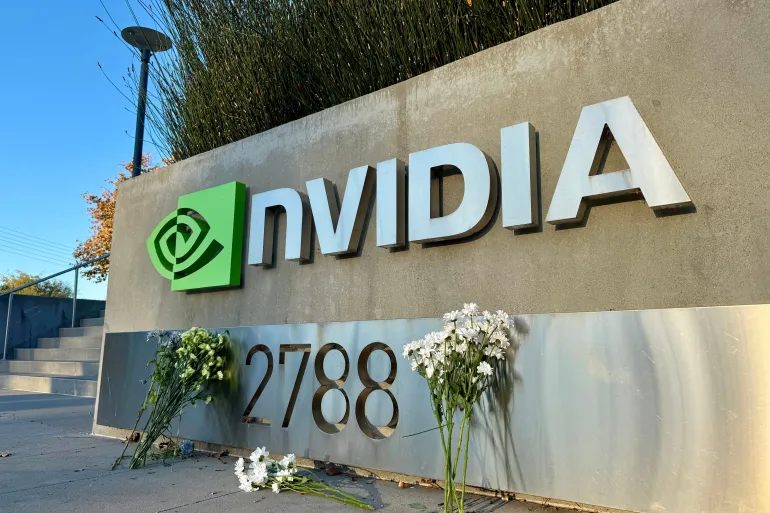
Nvidia shares rose 4.8 per cent in after-hours trading following the results, reflecting investor response to the company’s continued growth.
The chipmaker also forecast that its momentum would continue, projecting a further 13 per cent increase in revenue in the following quarter.
The results reflect the continuing demand for Nvidia’s advanced processors, which are widely used in data centres powering artificial intelligence development and cloud computing.
Kress Assures Investors Of Business Continuity
Interim Chief Executive Colette Kress sought to reassure investors that Huang’s departure would not affect the company’s operations or its position in the artificial intelligence industry.
Describing the situation as “business as usual,” she said that Nvidia’s partners remained committed to the company. “Our partners, our suppliers, all of them are 100% behind us,” she stated.
She also praised the leadership team for maintaining continuity across the company’s departments and projects during the transition.
Kress said the team had “stood up very strongly over the last week” and was “working seamlessly in all of their departments and projects.”
Emphasising Nvidia’s continued growth prospects, she told analysts that demand for its products was increasing and that supply was expanding to meet customer requirements.
“Our momentum is real. Our demand is accelerating. Our supply is growing. Our customers and our partners are with us, and employees are committed. We’ve got this.”
Colette Kress
Her remarks were intended to reinforce the company’s message that its business strategy and growth trajectory remain intact despite the leadership change.
Nvidia Stops Shipping Hopper Chips To China
Kress also disclosed that Nvidia was no longer shipping Hopper data centre semiconductors to China, although she did not explain the reasons behind the decision.
The Hopper architecture underpins Nvidia’s H200 processors, which had previously been subject to US export restrictions over concerns that access to advanced computing technology could strengthen China’s technology industry and military capabilities.
The company had secured approval to sell the H200 processors in China following lobbying efforts by Huang in Washington. However, Kress’s remarks indicate that shipments of the Hopper technology to the Chinese market have stopped.
She did not clarify whether the suspension was linked to regulatory requirements, commercial considerations or other factors.
The development comes amid continued tensions between Washington and Beijing over access to advanced semiconductor technology, with US authorities maintaining restrictions on the export of certain high-performance chips to China.
Nvidia’s position in the AI industry has made its business decisions particularly significant to the broader debate over technology competition and national security.
The company’s latest results demonstrate that demand for its processors remains strong, while the board’s rejection of Huang’s possible return establishes its position on the leadership transition.
With Kress leading the company on an interim basis, Nvidia is seeking to maintain investor confidence, sustain its growth and navigate the regulatory challenges surrounding its international chip business.
READ ALSO: Huang Agrees To Testify Before Congress Over National Security Concerns