

Ghana is seeking to attract US$2.6 billion in private-sector-led financing for its energy sector over the next five years, but the country’s ability to convert that investment ambition into actual projects will depend on whether it can address the financial and regulatory risks that continue to shape its electricity market.
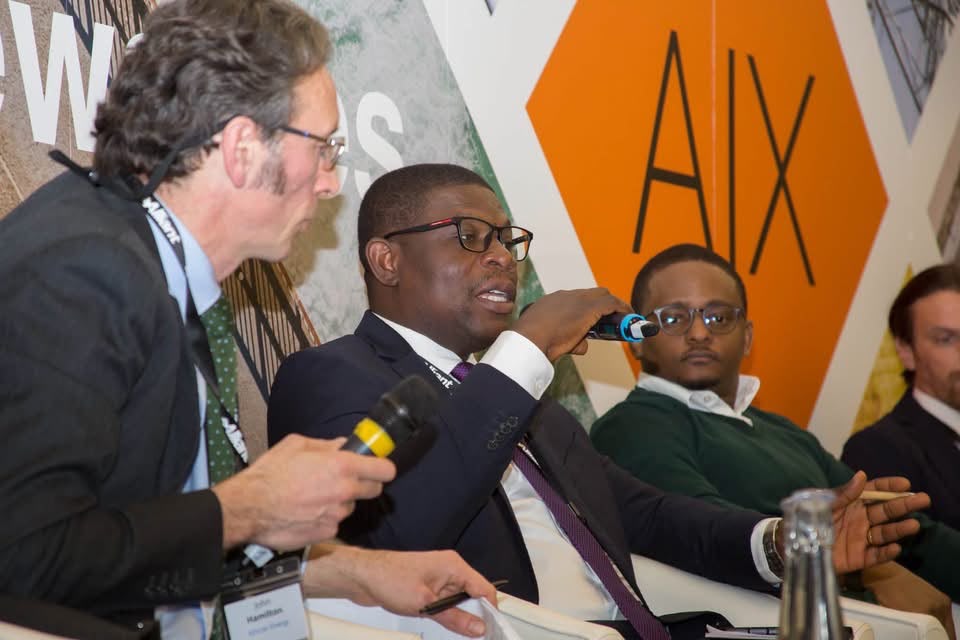
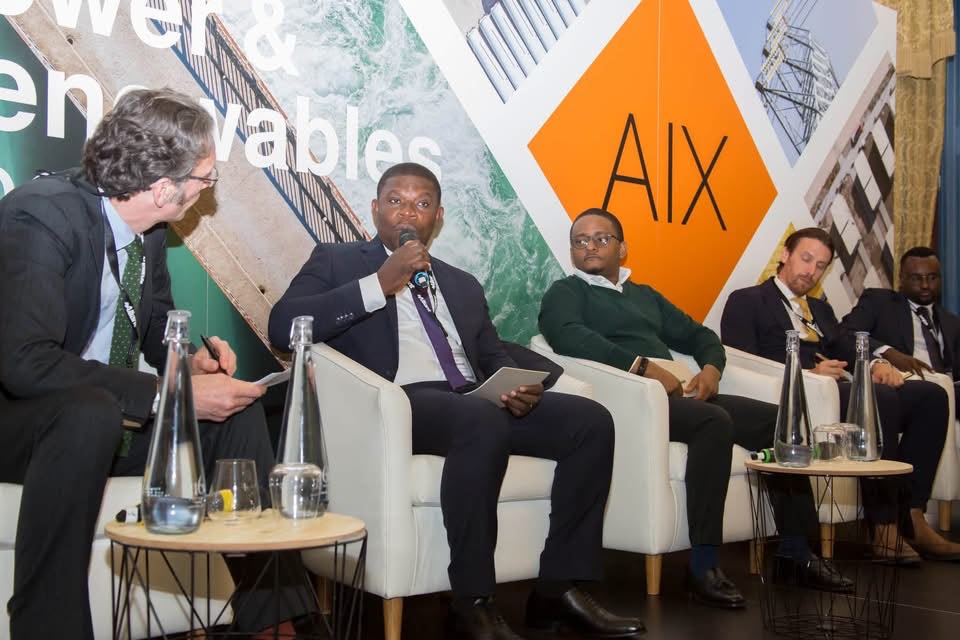
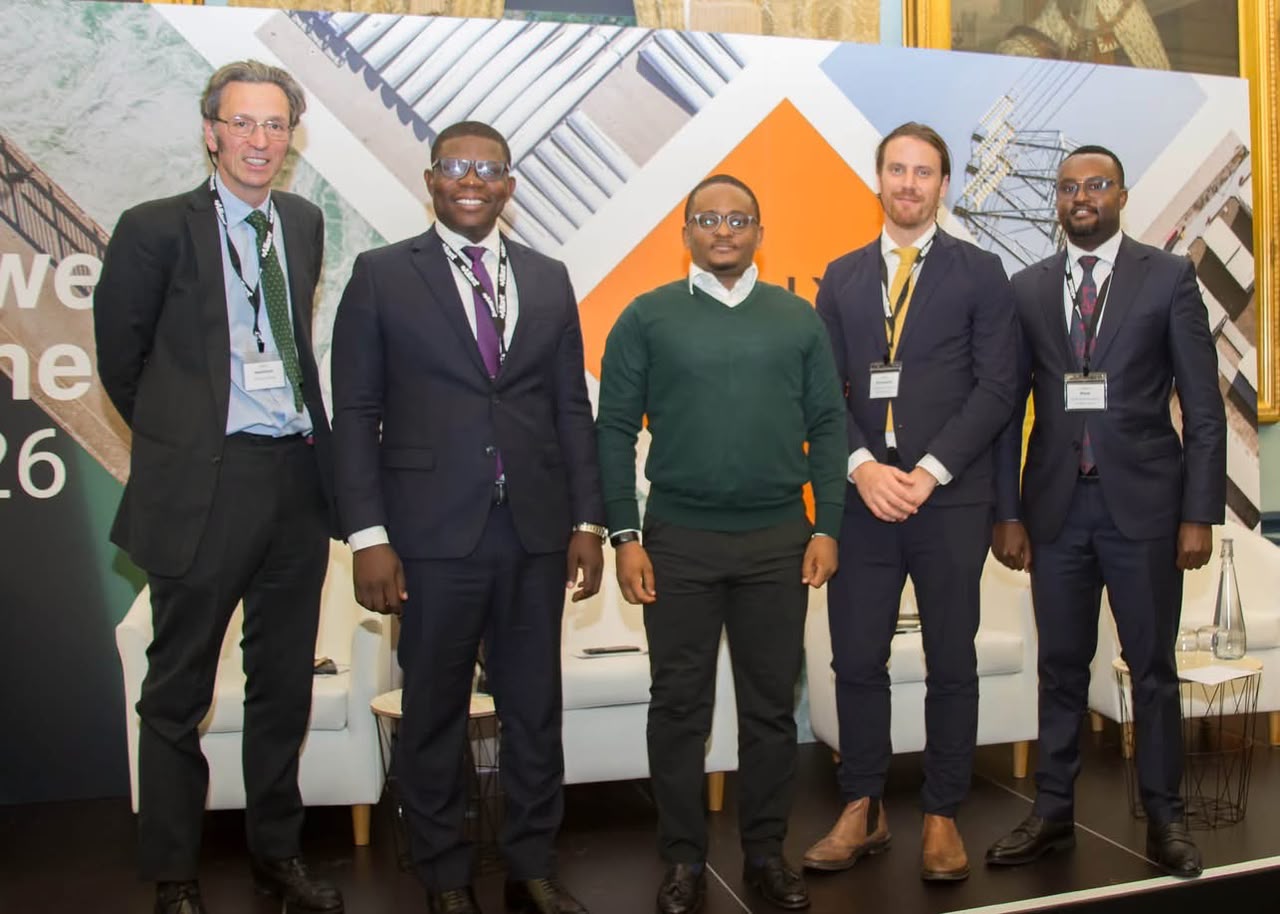
Deputy Minister for Energy and Green Transition Richard Gyan-Mensah outlined the country’s investment priorities at the Africa Investment Exchange (AIX) Power & Renewables Meeting in London.
His presentation centred on Ghana’s National Energy Compact, which targets an increase in electricity access from 89.14 per cent to 99 per cent by 2030, alongside improvements in supply reliability and the financial sustainability of the energy sector.
The Compact identifies an estimated US$4.4 billion investment requirement between 2025 and 2030, with US$2.6 billion expected to be private-sector-led and the remaining US$1.8 billion expected from public and development-partner financing.
The investment proposition is significant. However, attracting private capital into electricity infrastructure requires more than presenting a pipeline of projects.
Investors must be confident that projects can generate predictable returns, that electricity buyers can meet their payment obligations and that regulatory arrangements will remain sufficiently stable throughout the investment period.
For Ghana, that is where the more difficult part of the investment pitch begins.
The Investor Question Goes Beyond Capital
The National Energy Compact, developed under the World Bank and African Development Bank’s Mission 300 initiative, identifies several investment priorities, including utility-scale solar, battery storage, transmission infrastructure, regional interconnections, mini-grids and last-mile electrification.
Its objectives also include strengthening electricity distribution utilities and improving their commercial and operational performance.
These priorities are interconnected. A solar developer, for instance, needs confidence that electricity can be evacuated through the transmission network, that the relevant power-purchase arrangements are dependable and that the off-taker can make payments.
Similarly, investments in distribution infrastructure depend on the ability of utilities to collect sufficient revenue to sustain operations and repay financing.
The financial condition of Ghana’s electricity market therefore has direct implications for the country’s ability to attract private investment.
The International Monetary Fund has identified a financially sustainable electricity sector, a creditworthy Electricity Company of Ghana (ECG), predictable tariff adjustments and disciplined procurement as important conditions for supporting investment in generation and distribution.
The Fund’s assessment states:
“A financially sustainable sector—characterized by a creditworthy off-taker (ECG), predictable tariff adjustments, and disciplined procurement, will support investment in generation and distribution.”
This is particularly relevant because private investors do not assess projects solely on their technical feasibility.
They also examine payment security, foreign-exchange exposure, contractual obligations and the financial strength of the institutions purchasing the electricity.
Where these risks remain unresolved, investors may demand higher returns, stronger government guarantees or additional risk-sharing arrangements, increasing the eventual cost of infrastructure.
Financial Recovery Is Part of the Investment Strategy
Ghana’s electricity-sector financial difficulties remain an important consideration.
The IMF’s 2026 assessment identifies weaknesses in utility finances, procurement arrangements and revenue collection as structural constraints affecting the sector.
The National Energy Compact itself recognises this problem by linking utility financial viability to improved borrowing capacity and access to financing for critical distribution investments.
It also envisages private-sector participation in electricity distribution, including performance-based targets for reducing losses and improving financial performance.
The Government’s ongoing discussions about ECG reforms and renegotiation of existing Power Purchase Agreements must therefore be understood within this wider investment context.
The objective is not simply to reduce immediate expenditure. It is to create an electricity market in which public utilities can meet their obligations, investors can assess risks more accurately and infrastructure projects can secure financing without excessive dependence on government guarantees.
However, tariff predictability presents a delicate policy challenge.
Electricity prices must reflect the cost of supplying power sufficiently to support the financial sustainability of the sector, while remaining affordable for households and businesses.
If tariffs are adjusted without addressing inefficiencies and losses, consumers could bear a disproportionate share of the financial burden.
The credibility of Ghana’s investment proposition will depend partly on how Government balances these competing considerations.
Progress Must Translate Into Bankable Projects
There are indications that implementation of the National Energy Compact is progressing, although important obstacles remain.
At a Compact Implementation Support Workshop in Accra in July 2026, the African Development Bank reported that Ghana had completed eight mini-grids, with another 35 under construction.
The country had also completed approximately 60 per cent of Compact actions and was on track to deliver 13 of its 16 priority reforms.
However, the remaining reforms faced administrative and financing-related delays, including parliamentary approvals, budget allocations and procurement processes.
Deputy Minister Gyan-Mensah, speaking at that implementation workshop, said:
“The National Compact has an investment pipeline of US$4.4 billion, including US$2.6 billion expected from the private sector.”
He added that Government was working to remove administrative bottlenecks and strengthen coordination to translate the Compact’s commitments into projects.
The distinction between a project pipeline and bankable investments is important.
A project may be identified within a national plan but still require feasibility studies, environmental approvals, land arrangements, procurement, grid-connection assessments and credible financing structures before construction can begin.
For investors, uncertainty at any of these stages can delay financial close and increase development costs.
Ghana’s ability to move projects through these stages efficiently will therefore be as important as the size of the investment target it presents internationally.
Nuclear Ambitions Add Another Financing Dimension
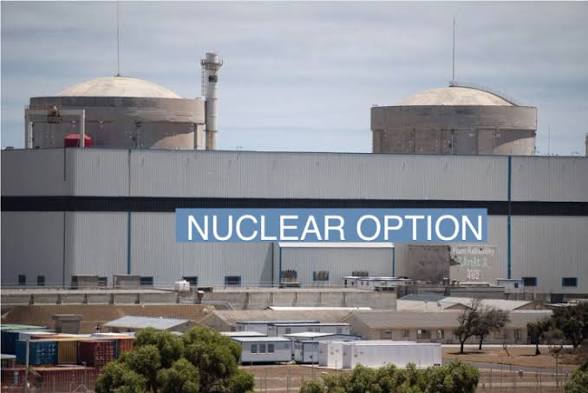
Gyan-Mensah also reiterated Ghana’s commitment to nuclear power as part of its broader strategy to diversify the electricity generation mix.
The nuclear programme introduces another major investment consideration, particularly because Government intends the proposed facility to remain state-owned while relying on international partners for technology, engineering, financing and specialist services.
The 2027 Budget provides US$200 million for a 24-month nuclear-readiness programme running from January 2027 to December 2028.
That allocation is intended to prepare the country for an engineering, procurement, construction and financing agreement. It is not the full construction cost of the proposed facility.
The nuclear programme could contribute to long-term generation diversification, but its financing arrangements must be considered alongside existing electricity-sector obligations and the investments required in transmission, distribution and renewable energy.
For investors considering Ghana’s wider energy market, clarity about how Government intends to allocate public resources across these priorities will matter.
From International Pitch to Investment Delivery
The AIX meeting provided Ghana with an opportunity to present its energy priorities to public- and private-sector stakeholders involved in African power and renewable energy development.
However, the event itself does not establish that new financing commitments or investment agreements were secured.
The next challenge is to demonstrate that the opportunities presented are supported by credible project preparation, transparent procurement, reliable payment arrangements and a regulatory environment capable of managing long-term investment risks.
Ghana’s National Energy Compact provides a framework for coordinating these objectives. The African Development Bank and World Bank have also been supporting implementation through reform monitoring and engagement with public institutions, investors and development partners.
Ultimately, the country’s US$2.6 billion private-sector financing ambition will be measured not by how frequently it is presented at international investment forums, but by the projects that reach financial close and deliver electricity to consumers.
Ghana has identified the capital it needs and the priorities it wants investors to support. The more consequential task is to demonstrate that the market can convert those opportunities into commercially viable investments without transferring unsustainable risks to taxpayers or electricity consumers.
READ ALSO: France Applauds Ghana’s Economic Turnaround, Praises Ato Forson