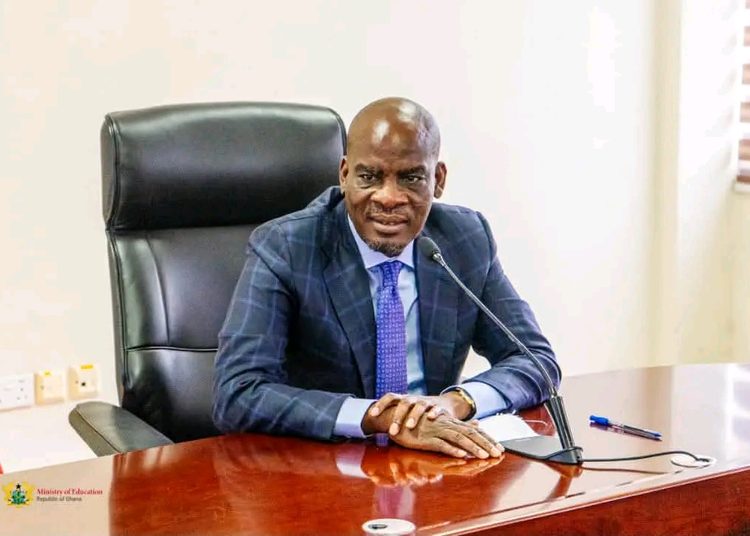
The Ministry of Education has restructured the Ghana Education Service’s (GES) Guidance and Counselling services and strengthened measures under the Safe School Programme to address violence, indiscipline and insecurity in pre-tertiary schools.
Education Minister Haruna Iddrisu disclosed the interventions while responding to concerns about safety in schools in Parliament, saying the measures are intended to protect learners and teachers and preserve schools as safe environments for teaching and learning.
He explained that the Ministry was pursuing a proactive approach through stakeholder engagement, policy interventions and guidelines designed to tackle misconduct and security concerns across the pre-tertiary education system.
Hon. Iddrisu has also noted that children today “know their rights” and “demand those rights”, underscoring the need for school discipline that respects learner protection.
Guidance and counselling services take on stronger protection role
The restructuring of GES Guidance and Counselling services is intended to strengthen the support available to learners and improve schools’ ability to identify and respond to behavioural, emotional and safety concerns. The Safe School Programme provides institutional guidance and infrastructure to protect both learners and teachers.
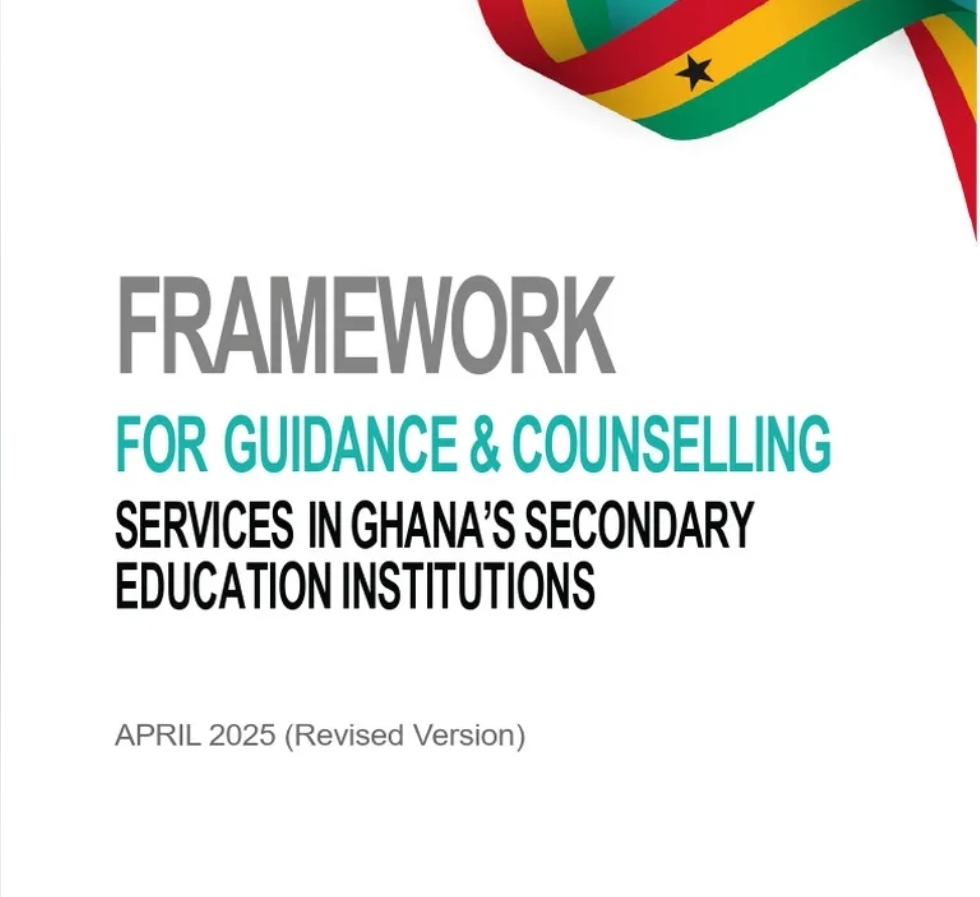
A revised Guidance and Counselling Framework for secondary education institutions also identifies academic support, career preparation, psychosocial support and safe spaces as key areas of intervention. The framework provides for Safe Space Focal Persons to serve as contact points for reporting sexual harassment and facilitating referrals.
The Ministry’s approach places emphasis on cooperation among school authorities, teachers, parents, learners and education officials. It also recognises that preventing violence requires early intervention, accessible reporting channels and consistent application of school policies.
Ministry considers stronger reporting and accountability measures in schools
Beyond counselling services, the Ministry has indicated plans to strengthen accountability for abuse and misconduct. On November 25, Iddrisu told Parliament that the government was working with telecommunications company MTN to establish a dedicated hotline for students, parents and members of the public to report corporal punishment and other forms of abuse.

The proposed hotline is expected to be located at the Office of the Deputy Minister for Education and managed jointly with the Director-General of the GES. The Minister also reaffirmed that corporal punishment is prohibited under the GES code of conduct, with breaches potentially attracting administrative and criminal consequences.
The Ministry’s measures are intended to ensure that concerns can be reported and addressed while reinforcing the responsibility of school authorities to maintain safe learning environments.
Gifted pupils may qualify for early BECE exemptions
In a separate but related policy matter, Hon. Haruna Iddrisu has defended restrictions on pupils sitting the Basic Education Certificate Examination (BECE) before the officially scheduled period. He explained that the measure is not intended to punish academically gifted children, but to prevent prebmature examination entry and protect the integrity of the assessment process.
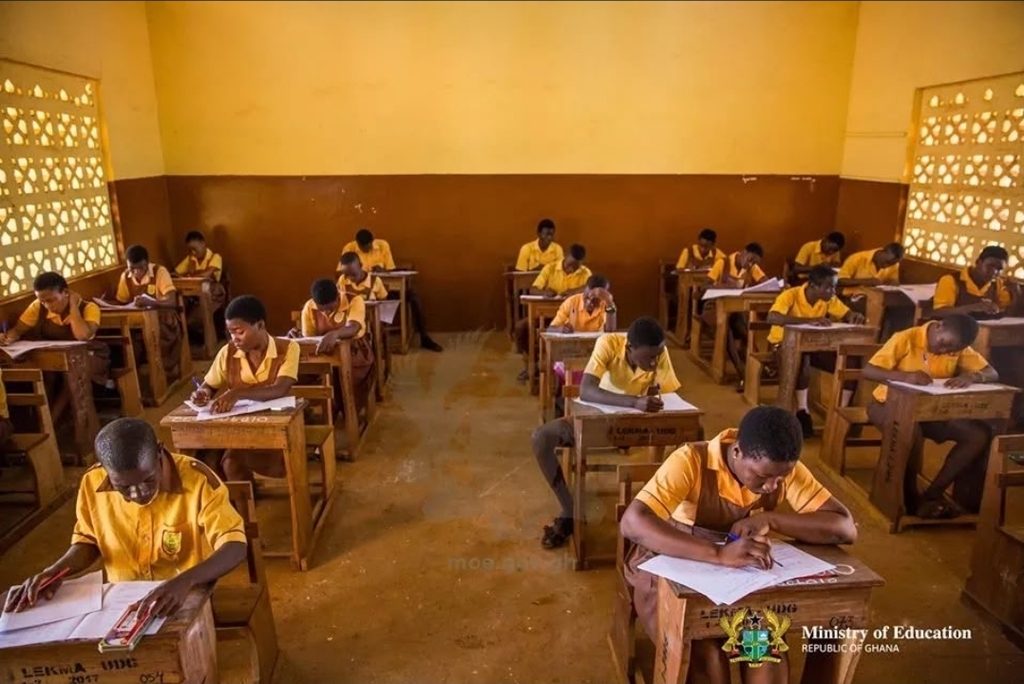
“We are reasonable. You cannot punish an innocent child. There will be room for exemptions, particularly for gifted children,” he told Parliament, adding that candidates must be assessed through a formal process.
The Minister said exceptional pupils could be considered for exemptions, but decisions must follow a transparent approval process. Under the proposed arrangement, applications would require approval from the headteacher and district director of education before being forwarded to the regional director for recommendation to the GES.
Assessment procedures intended to protect examination integrity and fairness
The Ministry’s position is that the BECE is designed for pupils who have completed the required stage of junior high school and met the relevant eligibility requirements. Iddrisu has raised concerns about the reliability of continuous assessment records when pupils leave JHS 1 or JHS 2 to sit the examination early.
He has argued that allowing premature entry could undermine the credibility of the examination and encourage irregular practices in the preparation of candidates’ assessment records. The exemption route, therefore, is intended for genuinely exceptional cases rather than a general alternative to the prescribed academic progression.
Together, the school-safety reforms and examination-entry measures reflect the Ministry’s stated focus on learner protection, discipline and accountability. Their effectiveness will depend on consistent implementation, clear procedures and cooperation among schools, families and education authorities.
READ ALSO: New Cedi Notes: Sagnarigu MP Describes Minority’s Demand as “Misplaced”