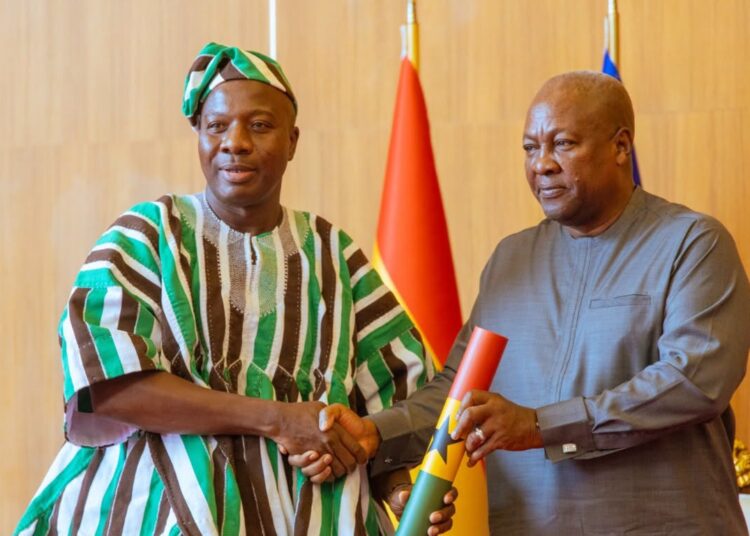
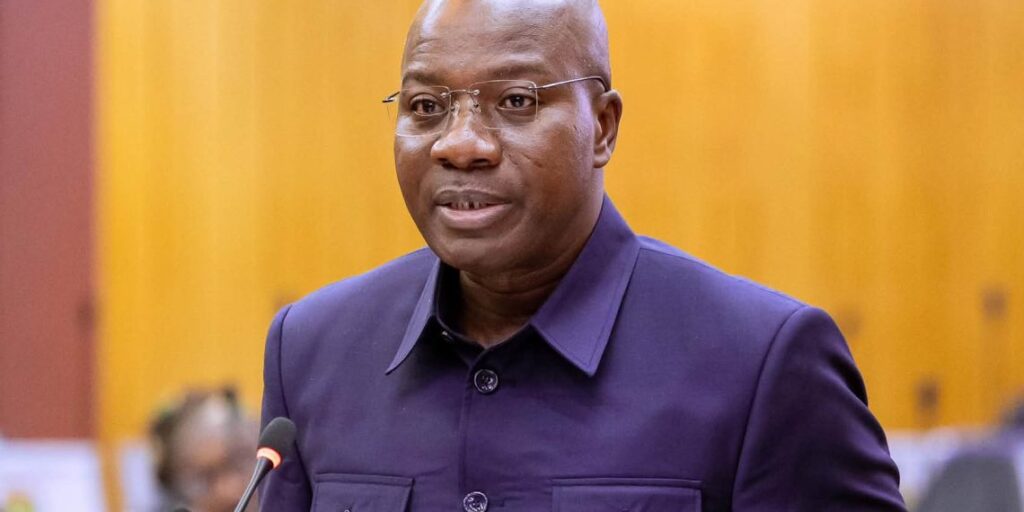
Mahama Ayariga, Minister for Local Government and Member of Parliament for Bawku Central, has defended the Mahama administration’s local government performance, claiming that nearly GH¢12 billion has been disbursed to Metropolitan, Municipal and District Assemblies (MMDAs) since the President assumed office in January 2025.
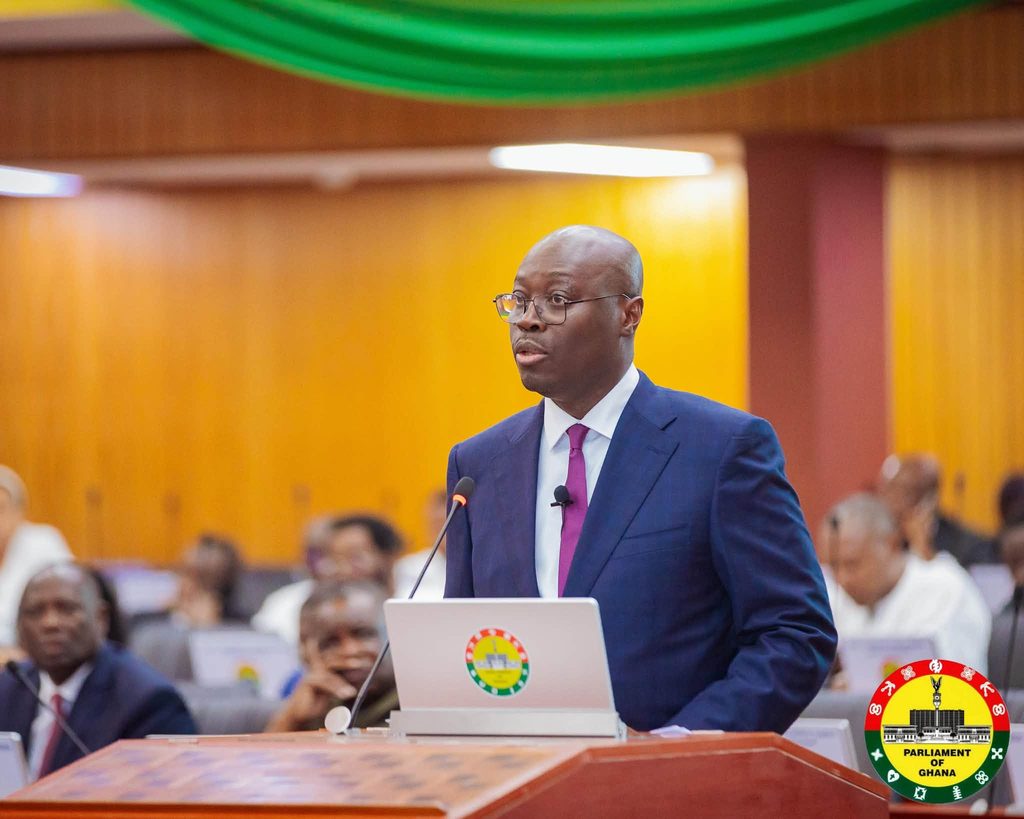
Speaking during the parliamentary debate on the 2027 Budget on November 25, 2026, Hon. Ayariga contrasted the funding received by assemblies under the previous New Patriotic Party (NPP) administration with allocations under President John Dramani Mahama, arguing that increased financial support has accelerated infrastructure development, expanded employment opportunities and strengthened local economies.
“I believe no sector in the functioning of this country surpasses local government when it comes to the delivery of President John Dramani Mahama. No sector.”
Mahama Ayariga, Minister for Local Government and Member of Parliament for Bawku Central
He maintained that the administration’s funding record demonstrates its commitment to decentralisation and fulfilling promises made to communities across Ghana.
Ayariga contrasts NPP and Mahama funding records
The Bawku Central MP anchored his argument on the difference between the resources made available to assemblies in 2024 and the disbursements recorded since President Mahama returned to office.
According to the minister, the previous NPP administration released only GH¢390 million to the country’s 261 district assemblies throughout 2024 to support their operations, infrastructure projects and service delivery responsibilities.
He contrasted that figure with the GH¢987 million allocated and released to assemblies during the first quarter of 2025 under the Mahama administration. The minister further disclosed that assemblies received GH¢1.8 billion in the second quarter, GH¢1.4 billion in the third quarter and GH¢1.9 billion in the fourth quarter of that year.
Those quarterly releases brought the total amount disbursed to MMDAs in 2025 to GH¢6.2 billion, according to Hon. Ayariga. He argued that the difference in funding had direct implications for employment, particularly through contracts awarded by assemblies for construction, procurement and the delivery of local services.
“Who will employ more people? 6.2. Who will engage in more contracts? 6.2,” he challenged members of Parliament, questioning the government’s job creation record.
Local government funding reaches nearly GH¢12 billion
The minister indicated that increased disbursements continued in 2026, with assemblies receiving GH¢1.7 billion in the first quarter, GH¢1.9 billion in the second quarter and GH¢2.1 billion in the third quarter.
He described the releases as evidence of a sustained increase in resources reaching local authorities, arguing that even the lowest quarterly allocation under the current administration exceeded the entire GH¢390 million released during 2024. Hon. Ayariga put the cumulative disbursements to assemblies across the first three quarters of 2026 at GH¢5.9 billion.

Combined with the GH¢6.2 billion released in 2025, the figures presented by the minister indicate approximately GH¢12.1 billion in funding over the two periods. He projected that the cumulative amount would approach GH¢14 billion by the end of 2026 if the expected additional releases materialised.
“Assemblies are implementing projects. They are creating jobs. They are creating opportunities for the sale of goods and services. And the economies at the local level are now vibrant.”
Mahama Ayariga, Minister for Local Government and Member of Parliament for Bawku Central
The Local Government Minister maintained that the increased funding was supporting contractors, suppliers, workers and businesses beyond the immediate operations of district assemblies.
Health, education and water infrastructure expand
Beyond funding allocations, the minister highlighted infrastructure projects he attributed to the work of local authorities. In the health sector, he disclosed that construction had commenced on 566 Community-based Health Planning and Services (CHPS) compounds and health centres, with 397 completed at the time of his address.
He also reported that assemblies had awarded contracts for 761 school and classroom blocks, of which 502 had been completed. He clarified that the figures related to projects being implemented by assemblies and were separate from interventions undertaken through the Ghana Education Trust Fund.

On water infrastructure, Hon. Ayariga disclosed that the government had targeted 4,029 mechanised hand pumps, with 3,081 completed. He added that 97 of the 134 small-town water systems targeted for construction had also been completed.
The minister argued that these interventions were improving access to essential services in communities while creating employment through construction and related activities.
Assembly members receive allowances as decentralisation deepens
Hon. Ayariga also cited payments to assembly members as evidence of the administration’s efforts to strengthen local governance. He disclosed that the government paid GH¢107 million in allowances to assembly members in 2025, followed by GH¢106 million in 2026.
According to him, the payments were being made on time, allowing assembly members to receive the monthly allowances promised by the President. He further stated that President Mahama had directed that 80 per cent of resources should go directly to assemblies, although the proportion actually reaching their accounts was approximately 88 per cent.
The minister contrasted this approach with what he described as the previous administration’s concentration of resources in Accra at the expense of rural communities.
He argued that effective local government remained central to citizens’ experience of public service delivery because communities directly encounter the impact of district-level development.
“John Dramani Mahama is fulfilling the promise of making the local governments function effectively.”
Mahama Ayariga, Minister for Local Government and Member of Parliament for Bawku Central
GH¢17.6 billion allocation expected in 2027
Looking ahead, Hon Ayariga pointed to the 2027 Budget as another major commitment to decentralisation, disclosing that GH¢17.6 billion had been allocated to local government. He described the allocation as unprecedented in the history of the sector and expressed confidence that the resources would reach assemblies to finance development projects.
The minister’s defence of the administration’s record therefore rested on increased funding, infrastructure delivery and the expansion of local-level economic activity. His figures and claims formed part of the government’s broader case for the 2027 Budget, which he argued would consolidate the development gains recorded since Mahama assumed office.
READ ALSO: Ghana’s US$2.6bn Energy Investment Pitch Faces Bankability Test