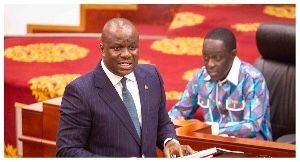
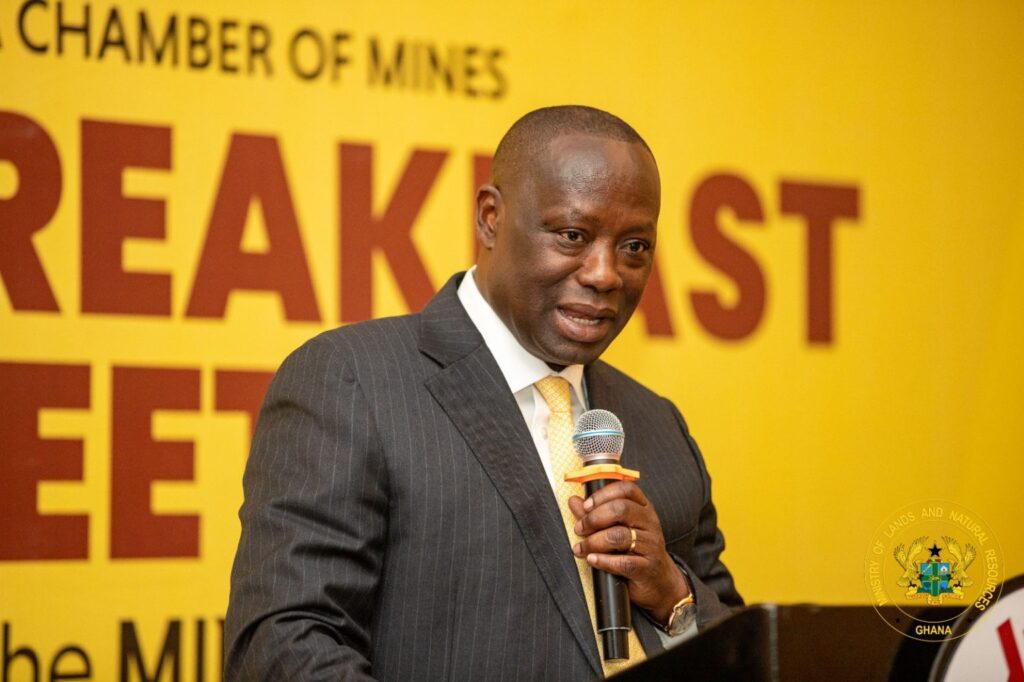
Hon. Samuel Abu Jinapor, the former Minister for Lands and Natural Resources and Member of Parliament for Damongo, has sharply contrasted Ghana’s recent commercial mining expansion with what he characterizes as an alarming surge in unregulated artisanal extraction under the current administration.
Delivering his critique on the floor of Parliament during deliberations on the 2027 Budget Statement and Economic Policy, the former sector head argued that institutional gains achieved in formalizing large-scale mining are being systematically eroded by unchecked illegal operations.
His remarks draw a stark political and regulatory boundary between two eras of extractive governance, framing the contemporary landscape as a severe regression in environmental stewardship and sector oversight.
The parliamentary intervention comes at a critical juncture for Ghana’s extractive economy, as lawmakers scrutinize fiscal allocations and regulatory frameworks intended to govern natural resource extraction in the coming fiscal year.
While the current administration has highlighted new fiscal mechanisms including sliding-scale royalty structures and anti-illegal mining allocations to bolster state revenue and sanitize small-scale operations, Jinapor maintained that ground-level realities tell a starkly different story.
By juxtaposing past milestones in capital-intensive mineral development against ongoing enforcement failures, the Damongo legislator sought to challenge the credibility of the government’s broader extractive management strategy.
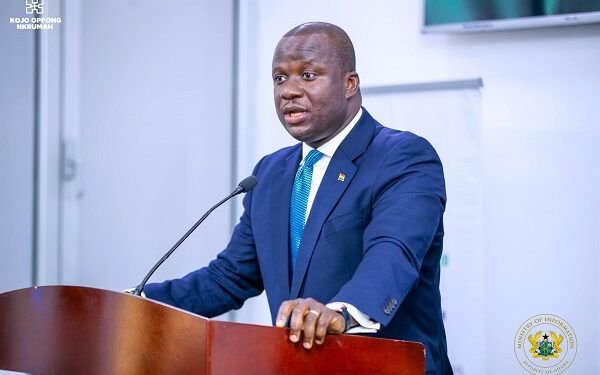
“Mr. Speaker, I want to say to the minister that under President Akufo-Addo, we had a golden age of mining. Today, under President Mahama, we have a golden age of galamsey. That’s what we have.”
Hon. Samuel Abu Jinapor
Contrasting Capital Expansion and Greenfield Milestones
Evaluating the structural trajectory of Ghana’s mineral sector requires examining the capital-intensive projects that propelled the nation past South Africa to become the continent’s premier gold producer.
During the previous administration’s tenure, regulatory stability and targeted investment promotion unlocked long-stalled geological assets, bringing virgin commercial projects such as the Cardinal Namdini and Azuma mines into active development.
Simultaneously, strategic restructuring breathed new operational life into legacy assets that had previously fallen dormant, notably revitalizing the historic Obuasi and Bibiani underground and surface operations to restore output and community employment.
Beyond traditional bullion extraction, the period marked a historic diversification of Ghana’s mineral portfolio through the maiden commercial discovery of lithium.
Securing a foothold in the global green-energy transition supply chain positioned the country to capture value from critical transition minerals alongside gold, bauxite, and manganese.
For institutional investors and international mining houses, the simultaneous advancement of greenfield ventures, brownfield revivals, and critical mineral exploration demonstrated a policy environment capable of absorbing long-term risk and converting geological potential into measurable macroeconomic output.
Political Accountability and the Escalation of Unregulated Extraction
Despite these formal sector milestones, the persistence of galamsey illegal small-scale mining remains the single greatest threat to Ghana’s ecological integrity, water security, and international investment appeal.
Addressing his successor in the Lands and Natural Resources portfolio, Jinapor acknowledged the professional delicacy of critiquing a sitting minister while emphasizing that the scale of ongoing environmental degradation demands candid parliamentary scrutiny.
He pointed out that the proliferation of unauthorized alluvial and forest-reserve mining has escalated to the point where national officers of the ruling National Democratic Congress have been formally referred to the Attorney General for investigation over alleged complicity in illegal mining networks.
The involvement of politically exposed persons in illicit extraction underscores a chronic enforcement vulnerability within the mineral governance architecture.
When partisan actors are implicated in circumventing licensing protocols, regulatory agencies such as the Minerals Commission and local security task forces face compromised authority on the ground.
Unchecked galamsey not only destroys arable farmland and pollutes major river basins, but it also encroaches upon legally demarcated concessions held by licensed large-scale operators, inflating security costs and threatening sovereign reputation among compliant institutional financiers.
The Imperative for Institutional Insulation and Regulatory Rigor
Addressing the structural drivers behind this extractive dichotomy necessitates moving beyond partisan rhetoric toward durable institutional reform.
Establishing an independent, legally mandated enforcement authority insulated from executive interference and political patronage is essential to ensure that mineral regulations apply uniformly regardless of party affiliation.
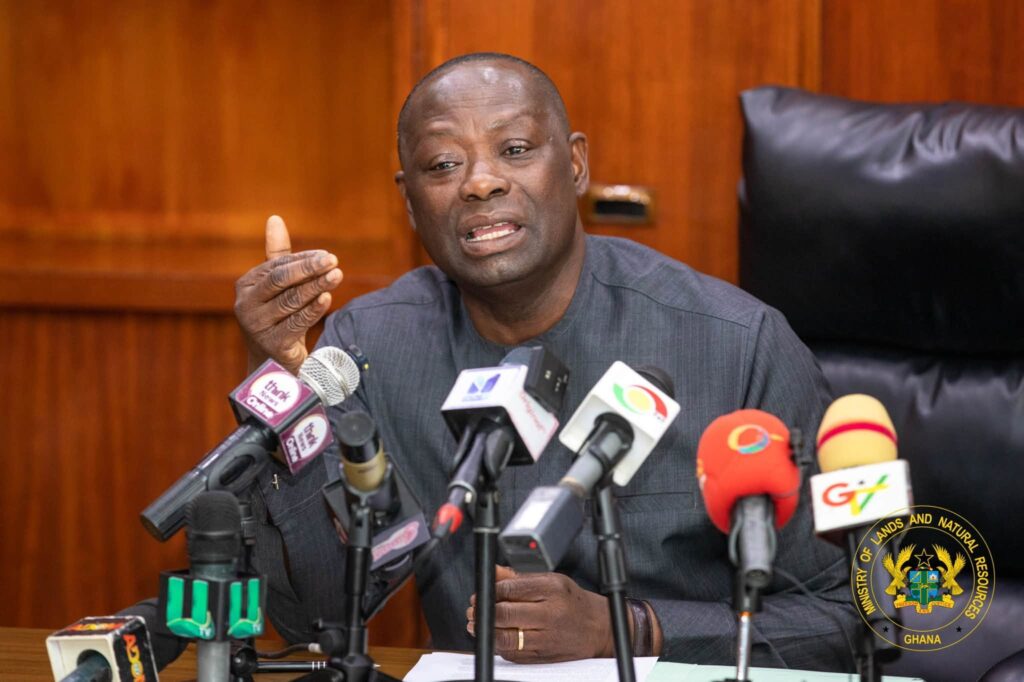
Without depoliticized enforcement, budgetary commitments earmarked for land reclamation and security operations risk yielding diminishing returns while illicit syndicates continue to exploit regulatory loopholes.
Furthermore, safeguarding Ghana’s standing as a premier mining jurisdiction requires aligning fiscal ambition with strict compliance on the ground. International capital flows toward jurisdictions where concession boundaries are respected, permitting timelines are transparent, and environmental standards are consistently enforced.
By strengthening district-level oversight, enforcing mandatory rehabilitation bonds, and prosecuting high-level enablers of illegal extraction, policymakers can protect critical water bodies while preserving the investor confidence necessary to sustain long-term mineral exploration and value addition.
READ ALSO: World Bank Launches US$245m Bold Ghana Investment Push to Create Jobs